Common Challenges in Reefer Transportation: How to Overcome Them
Reefer transportation, the specialized shipping of temperature-sensitive goods, comes with unique operational challenges. Logistics providers must maintain strict temperature controls, ensure precise route planning, and adhere to complex regulatory standards. Managing these challenges effectively is crucial for preserving cargo integrity and ensuring timely deliveries. From equipment malfunctions to customer communication, every aspect of reefer transport requires careful attention and strategic solutions.
Maintain Effective Temperature Control
Temperature management is fundamental in reefer transportation, as perishable cargo is highly sensitive to deviations. Pre-cooling containers before loading is essential, yet many logistics providers overlook this step, risking spoilage before transit begins. Establishing clear standard operating procedures and training staff to pre-cool containers effectively can align internal container conditions with the required cargo temperature.
External temperature fluctuations also pose challenges, particularly when shipments traverse regions with varying climates. Inadequate insulation or container deterioration can amplify these issues, causing uneven cooling patterns. Employing advanced refrigerated units, monitoring external conditions, and adjusting settings along the route help stabilize internal temperatures and protect sensitive goods.
Malfunctioning temperature monitoring equipment or incorrectly set thermostats can jeopardize cargo quality. Regular calibration, real-time monitoring solutions, and automated temperature adjustments reduce the risk of human error and system failure. By combining proactive maintenance, technology, and staff training, logistics providers can maintain reliable temperature control throughout transport.
Address Equipment Malfunctions Efficiently
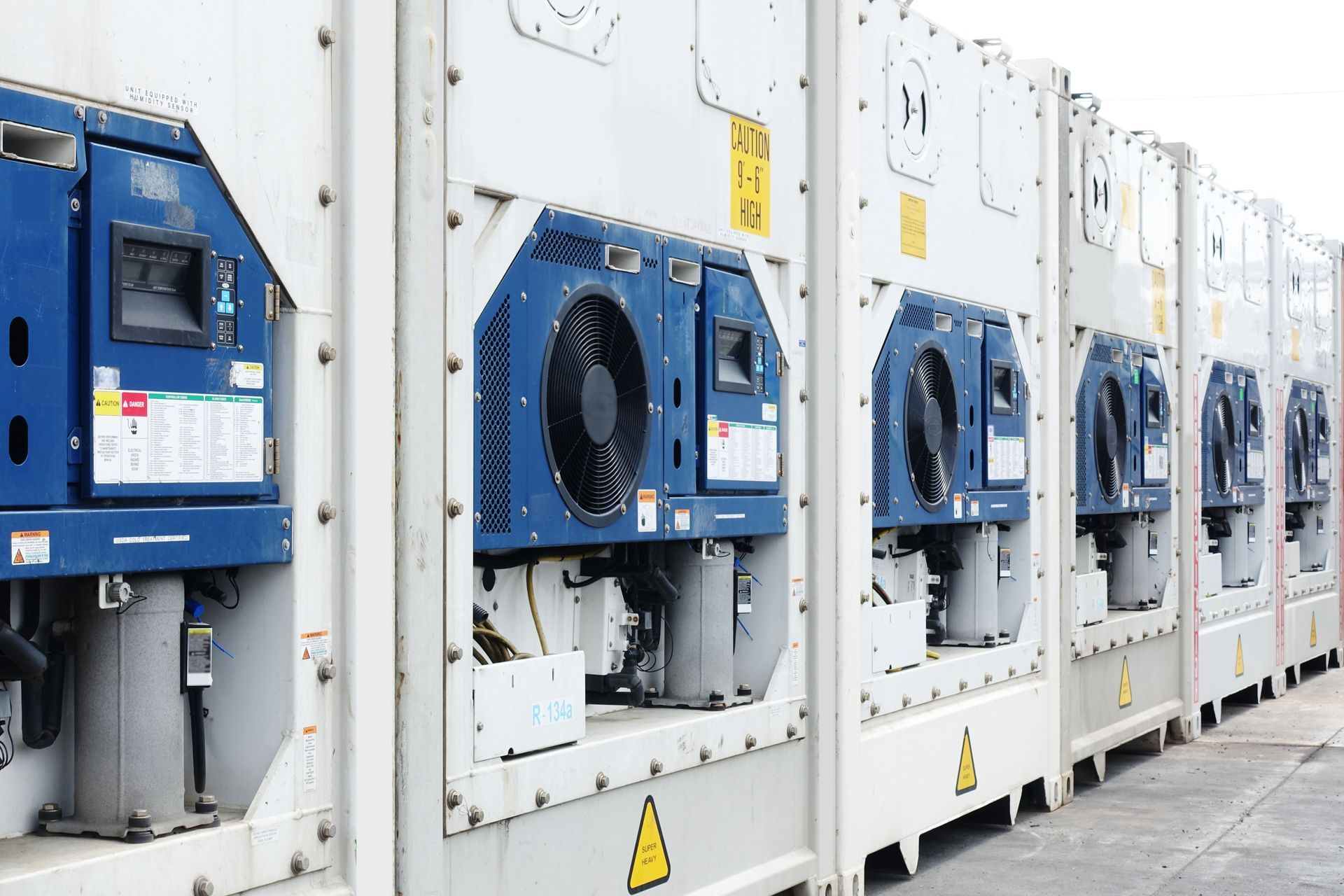
Reefer units are prone to mechanical failures, which can disrupt shipments and lead to significant financial losses. Regular maintenance and inspections are critical to identifying early signs of wear, including compressor issues or refrigeration leaks. By adhering to a structured maintenance schedule, providers extend the lifespan of their units while minimizing unexpected downtime.
Training personnel in rapid response and troubleshooting ensures that minor issues do not escalate into major operational crises. Emergency response training, coupled with routine updates on equipment handling and new technologies, equips staff to make timely decisions during mechanical failures. Fostering a culture of preventive maintenance helps detect recurring issues and improves overall system reliability.
Implementing predictive maintenance technology and maintaining a well-stocked spare parts inventory further enhances operational resilience. Predictive analytics anticipate potential failures based on historical data, while a strategic inventory ensures that essential components are available for immediate repairs. Combining these strategies ensures continuous reefer functionality and safeguards cargo integrity.
Reduce Fuel Costs Strategically
Fuel expenses represent a significant portion of operational costs in transportation, requiring deliberate management. Implementing fuel-efficient practices, such as optimizing engine performance, minimizing idling, and training drivers in eco-conscious driving techniques, helps reduce overall consumption. Partnerships with fuel suppliers and participation in incentive programs also offer cost-saving opportunities.
Leveraging technology for route optimization is another effective approach. Advanced GPS and route planning software provide data-driven suggestions to minimize travel time and fuel usage. Adapting routes in real time based on traffic, weather, or shipment priorities further enhances efficiency, contributing to timely deliveries and reduced operational costs.
Exploring alternative fuels, including biofuels or electric refrigeration units, presents sustainable solutions for managing rising energy costs. Combining these approaches with comprehensive fuel tracking and analysis allows providers to identify inefficiencies, optimize consumption, and plan long-term fuel strategies. These measures collectively improve profitability and reinforce operational sustainability in reefer transportation.
Comply With Regulatory Requirements
Navigating compliance and regulatory obligations is critical in transportation, particularly when shipments cross international borders. Understanding local and international regulations helps avoid penalties and delays while reinforcing organizational credibility. Engaging compliance experts and conducting ongoing monitoring ensures that operations remain aligned with evolving legal standards.
Proper documentation is equally essential, as errors or omissions can result in shipment delays or disputes. Establishing standardized documentation procedures and utilizing automation tools enhances accuracy and reduces human error. In parallel, training staff on compliance requirements and conducting regular workshops ensures continuous adherence to regulatory standards.
Implementing compliance management systems further strengthens operational oversight. Digital platforms centralize compliance data, automate alerts for reviews, and provide real-time insights into adherence levels. By keeping up-to-date with regulatory changes and leveraging technological support, logistics providers can navigate complex regulations while maintaining operational efficiency and reliability.
Overcome Tight Deadlines with Flexible Rental Options
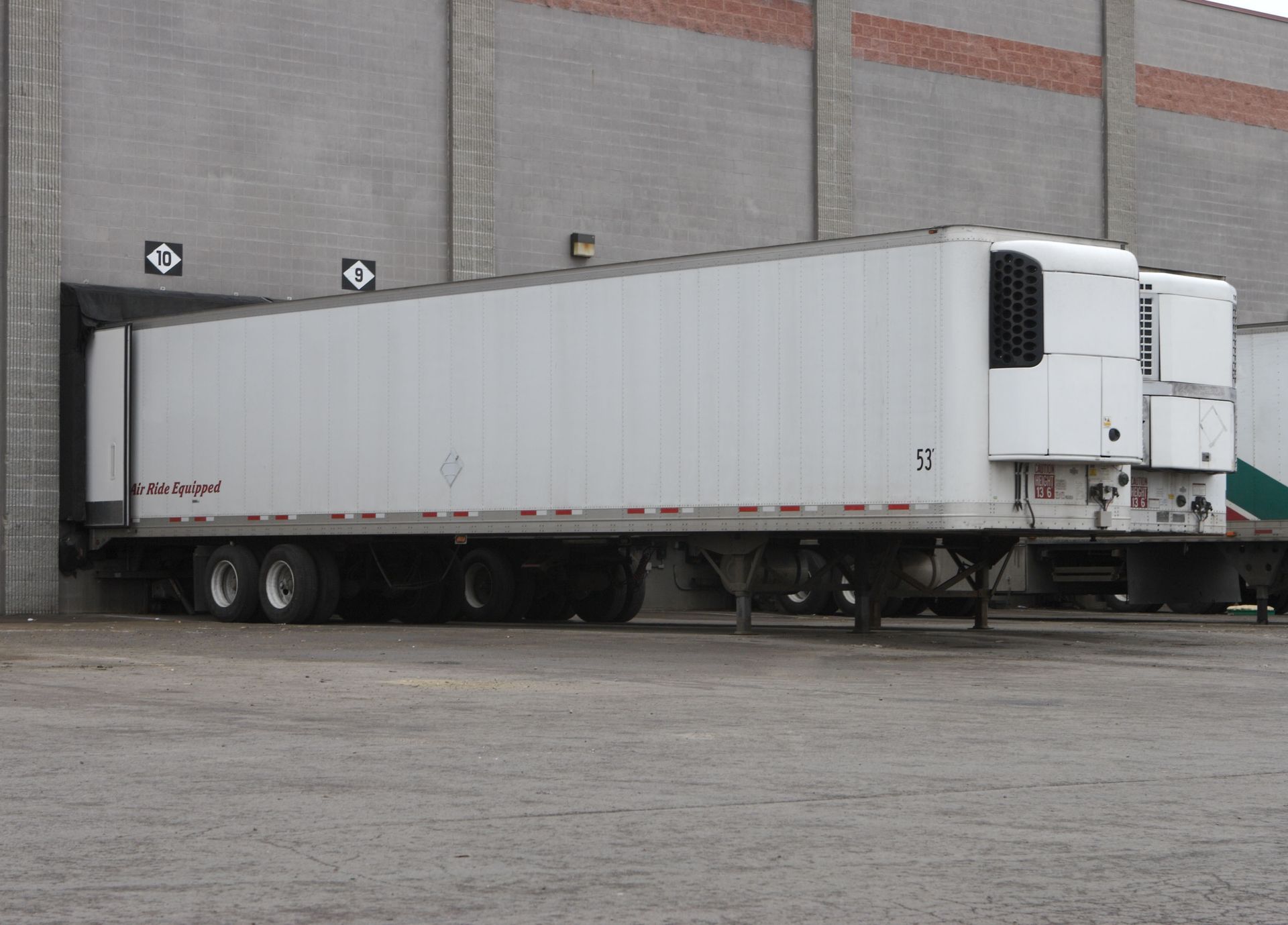
Meeting tight deadlines is a common challenge in transportation, as unexpected demand or last-minute shipment requests can strain operations. Flexible rental options for reefer trailers allow logistics providers to respond quickly without the delays associated with purchasing or waiting for new equipment. Access to a rental fleet ensures that shipments stay on schedule, even during peak periods or sudden surges in demand.
Training staff to efficiently manage rented units and coordinate pick-ups or returns is essential for maximizing the benefits of flexible rentals. By integrating rental options into operational planning, providers can adapt rapidly to changing schedules and avoid costly delays. This approach also reduces the risk of overextending owned assets, keeping operations smooth and predictable.
Additionally, flexible rental agreements often include support services such as maintenance and quick replacement options, minimizing downtime and ensuring continuity. By leveraging these rental solutions, logistics providers can confidently meet deadlines and maintain the reliability their clients expect.
Improve Customer Communication and Expectations
Customer satisfaction plays a pivotal role in transportation, as clients depend on timely and safe delivery of sensitive goods. Providing real-time shipment tracking fosters transparency and builds trust by keeping customers informed about the location and condition of their cargo.
Establishing clear communication channels ensures that clients receive timely updates regarding potential delays or disruptions. Proactive measures, such as forecasting potential shipment challenges and providing personalized support, help address client concerns before they escalate. Encouraging and utilizing feedback further improves service quality and responsiveness, aligning logistics operations with client expectations.
By prioritizing transparent communication, timely updates, and customized support, logistics providers can enhance client trust and loyalty. These strategies are critical in maintaining competitive advantage and ensuring a positive customer experience in reefer transportation.
Integrate Market Trends and Demand Insights
Staying informed about market dynamics allows providers to anticipate challenges and capitalize on opportunities in transportation. According to ACT Research, reefer spot rates increased by 1.0% year-over-year in January 2025, reflecting a robust demand for temperature-controlled freight. Understanding these trends helps logistics providers plan fleet utilization, optimize pricing, and balance supply and demand effectively.
Incorporating market insights into operational decision-making ensures that providers remain competitive while meeting evolving client needs. Analyzing historical data, regional demand fluctuations, and seasonal trends supports better forecasting and inventory management. By aligning operational strategies with market conditions, reefer transportation providers can sustain profitability and service quality.
Leveraging both technological and market intelligence tools strengthens the ability to respond to demand shifts and maintain efficiency. Combined with proactive operational management, these insights enable providers to meet client expectations consistently while minimizing logistical risks.
Reefer transportation encompasses a broad range of challenges, including temperature control, equipment reliability, fuel management, regulatory compliance, security, and customer communication. By applying proactive strategies, leveraging technology, and training personnel effectively, logistics providers can navigate these obstacles successfully.
Emphasizing maintenance, predictive analytics, route optimization, and real-time tracking ensures both operational efficiency and the safe transport of temperature-sensitive goods. Prioritizing compliance and customer-focused practices further strengthens reliability and client satisfaction. By choosing to lease a reefer trailer from Jilco Equipment Leasing Company Inc, you can take advantage of these solutions to streamline your reefer transportation operations and confidently deliver goods on time and in optimal condition.




Share On: