Topics to Discuss With a Reefer Transportation Company Before Hiring
Understanding the ins and outs of hiring a reefer transportation company is essential for businesses dependent on transporting perishable goods. Choosing the right partner involves discussing the right topics to ensure both quality and reliability. This article guides potential clients through the crucial topics that can ensure they choose the right partner for their needs. With the global refrigerated goods market expected to reach over $59 billion by 2025, according to Globe Newswire, it's vital to be informed. By doing so, businesses can secure effective partnerships that meet their specialized logistical needs.
Evaluate the Company’s Industry Expertise
When hiring a reefer transportation company, understanding their expertise with specific types of cargo is imperative. Different goods, from pharmaceuticals to fresh produce, necessitate unique handling requirements. An experienced firm will have a track record of successfully transporting your specific type of goods, understanding the intricacies involved. It's advantageous to choose companies that have worked within your sector to mitigate potential risks. Their knowledge will align with industry best practices, ensuring the safety and integrity of your cargo.
Examine Client Feedback and Reviews
Past client testimonials offer valuable insight into a company's performance when handling specific cargo. Clients who can attest to a firm’s efficiency and reliability provide prospective customers with peace of mind. Reading these reviews will help you gauge satisfaction levels and any recurring service issues. Furthermore, testimonials can highlight how the company responds in real-world situations. This information is vital to assess if the company can meet your expectations and deliver on its promises.
Investigate Problem-Solving Capabilities
Transportation of perishable goods is often fraught with unexpected issues, demanding adept problem-solving skills. Inquiring about a company's problem-solving approach reveals its readiness to tackle unforeseen circumstances. A company with proactive solutions and contingency plans can ensure minimal disruption during transportation. Their ability to quickly address and resolve problems also reflects on their operational resilience. This knowledge can be crucial when selecting a partner that aligns with your business continuity needs.
Verify Temperature Control Capabilities
The ability to maintain precise temperature ranges is vital in a reefer transportation company. Different perishable goods require specific temperatures to preserve their quality and safety. Companies must offer a comprehensive range of temperature settings to accommodate various types of cargo. Understanding their capabilities in this aspect ensures that goods remain in optimal conditions throughout transit. Consequently, this can also reduce losses due to spoilage and ensure customer satisfaction.
Check the Condition of Refrigeration Equipment
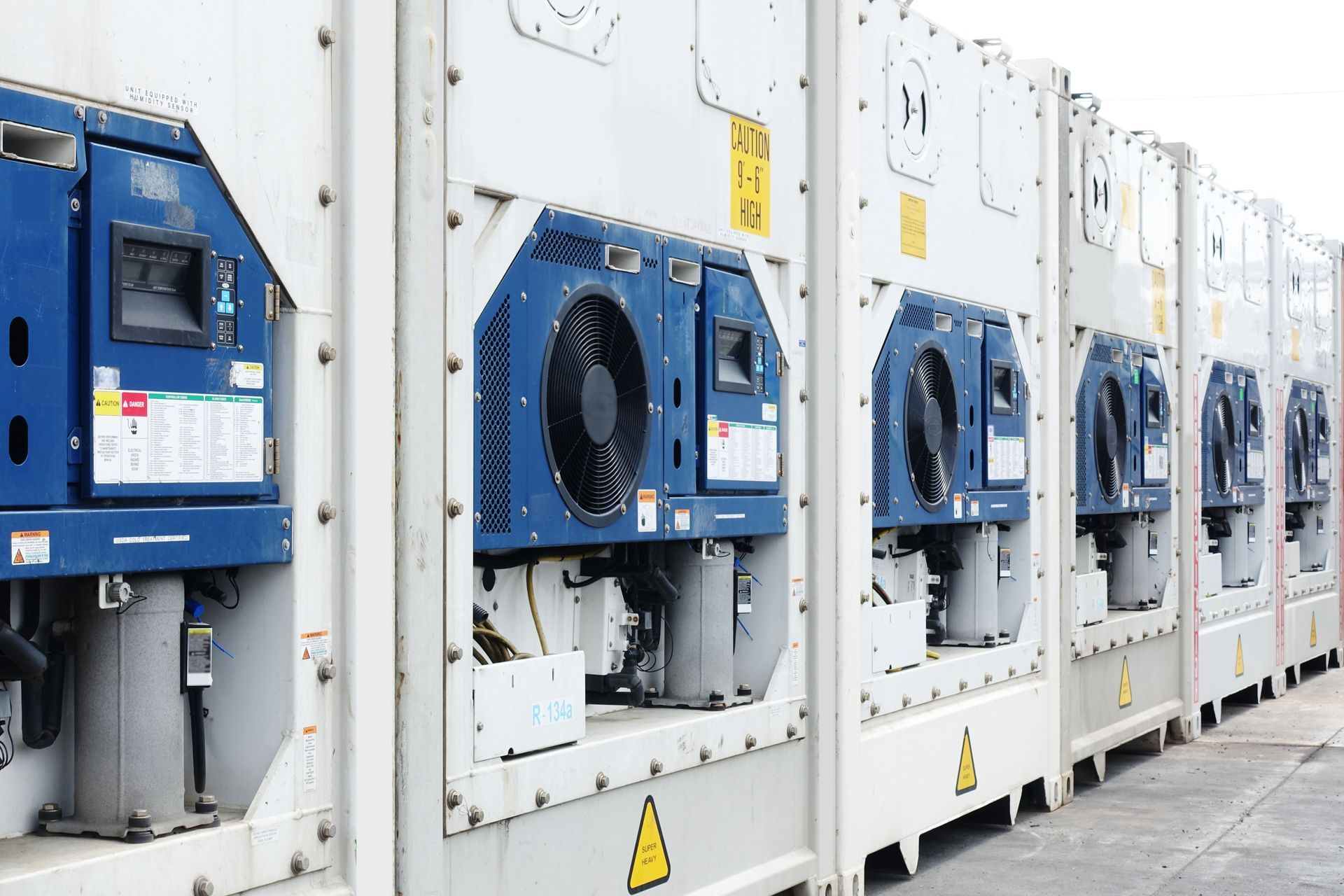
Refrigeration equipment is the backbone of any reefer transportation company. It's essential to ensure these units are in top working condition to avoid malfunctions that can lead to cargo spoilage. Companies should have a routine inspection schedule to check for wear and tear, ensuring the reliability of their equipment. Clients should inquire about these inspections to understand how diligently maintenance is performed. Regular inspections significantly reduce the risk of operational failures during transit.
Review Refrigeration Maintenance Practices
Maintenance schedules directly impact the effectiveness and lifespan of refrigeration units within a reefer transportation company. A robust schedule indicates a company’s commitment to sustaining high operational standards. Regular maintenance ensures units operate efficiently, lowering the risk of breakdowns. This proactive approach saves time and resources, preserving the integrity of the transported goods. Familiarity with a company's maintenance timetable provides insights into its operational priorities and dependability.
Assess Contingency Plans for Refrigeration Failures
Refrigeration failures during transit can significantly affect the quality of perishable goods. Understanding the company’s process in handling such issues is crucial for maintaining cargo integrity. Quick detection and immediate rectification measures prevent spoilage and subsequent financial losses. Companies should have contingency plans and equipment redundancy to mitigate these risks. Their swift response to failures often reflects their dedication to providing reliable service.
Confirm Compliance With All Regulations
Regulatory compliance is crucial to ensure safety and legality in a reefer transport company. Companies should adhere to both local and international standards to ensure performing legal and safe operations. Non-compliance can lead to legal complications and disruptions in cargo delivery. Clients must verify that the company follows regulatory practices diligently. Proper compliance signals a responsible and reliable reefer transportation company.
Evaluate Staff Safety Training Programs
Safety is a priority in transportation, especially when it involves high-value perishable goods. Well-structured training programs equip staff with the knowledge to handle goods safely and respond to emergencies. Regular safety instruction reinforces the company's commitment to maintaining high safety standards. Comprehensive training systems eventually lead to fewer incidents and ensure that employees are prepared to handle unforeseen situations. Continuous learning fosters an environment of safety and responsibility.
Examine Emergency Response Protocols
Emergencies can arise unexpectedly and have dire consequences for perishable goods. It is imperative that companies have clear protocols to manage such situations efficiently. Effective strategies include immediate assessment, damage control measures, and quick communication with all parties involved. Understanding a company’s emergency response capability limits potential losses and setbacks. Such preparedness reflects a company’s ability to maintain seamless operations under challenging circumstances.
Inspect Transport Vehicle Maintenance Practices
Regular inspections and maintenance are essential for upholding transport vehicle standards and functionality. A proactive inspection schedule ensures vehicles are roadworthy and minimizes breakdowns during transit. Clients should investigate how vehicles are maintained to ensure optimal performance. Well-maintained fleets enhance reliability and reduce the risk of cargo damage. Proper vehicle care signifies a company’s dedication to quality and service excellence.
Check the Availability of Customer Support
Accessible customer support ensures that clients can resolve queries and issues promptly. A company providing a diverse range of support channels demonstrates commitment to customer service. Available channels may include phone, email, live chat, and even dedicated account managers. Clients should assess the availability to ensure constant support throughout transit. This builds confidence and establishes a robust client-support system.
Assess Responsiveness to Client Inquiries
Quick response times to queries and issues reflect a company’s commitment to quality customer service. Responsiveness indicates a willingness to resolve problems and maintain smooth operations. Timely communication reduces frustration, allowing for quick resolutions and sustained client relations. Clients should observe how promptly the company addresses inquiries. A responsive company often indicates professionalism and client dedication.
Review Feedback Systems and Improvement Processes
Developing feedback mechanisms supports continuous improvement in service quality. Companies encouraging feedback show dedication to evolving and adapting operations. Regular client feedback helps address weaknesses and improve service offerings. A transparent feedback process fosters open communication and enhances service delivery. Clients benefit from services that align more closely with their needs, creating mutual growth opportunities.
Evaluate Conflict Resolution Procedures
Effective conflict resolution policies prevent disputes from escalating and impacting client relationships. A company’s ability to resolve conflicts swiftly demonstrates professionalism and client-care priorities. Successful resolution strategies revolve around understanding, negotiation, and compromise. Clear policies guide clients through processes, reducing uncertainties and frustrations. Ultimately, this reduces disruptions and maintains business harmony.
These essential topics will help ensure that you choose a reefer transportation company that's reliable, efficient, and capable of meeting your specific requirements. A thorough evaluation using these guidelines can lead to successful, fulfilling partnerships. As the global refrigerated goods market is poised to expand, informed decisions play a crucial role in navigating logistical needs. By prioritizing these considerations, businesses can secure transport services that safeguard their perishables while enhancing operational efficiency. Reach out to Jilco Equipment Leasing Company Inc to learn more today!






Share On: