Custom Refrigerated Trailers: Tailored Solutions for Your Business Needs
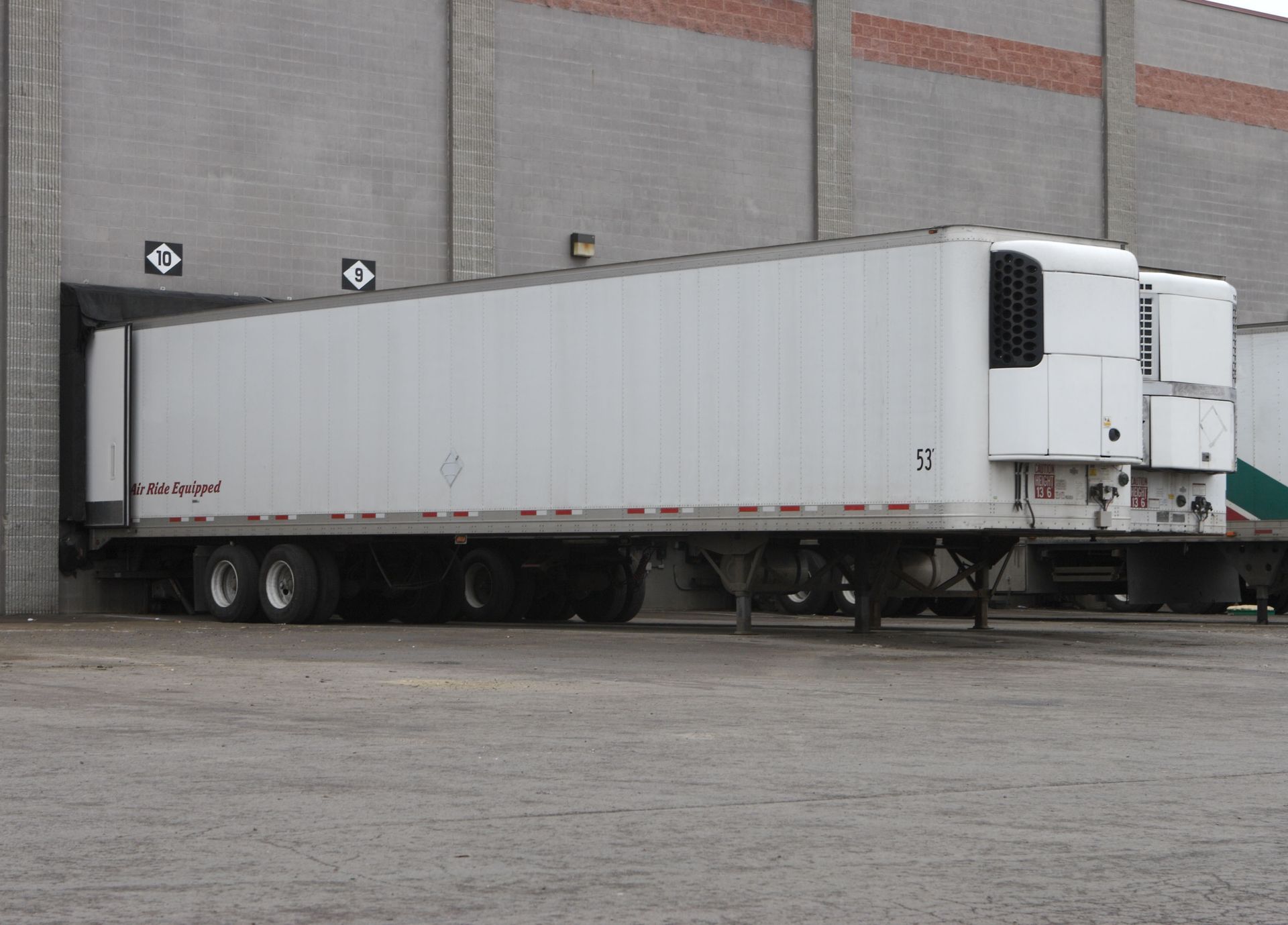
Businesses that depend on temperature-controlled transportation often need more than a standard trailer. Different industries have varying cargo demands, loading requirements, storage expectations, and delivery schedules, meaning a one-size-fits-all unit may not support daily operations effectively. For companies moving food, floral products, pharmaceuticals, beverages, dairy items, or other temperature-sensitive goods, having the right refrigerated trailer can improve product quality, workflow, and customer satisfaction. That is why many businesses look for custom solutions that better align with how they operate.
Custom refrigerated trailers allow business owners to move beyond basic cold storage and focus on features that support efficiency, flexibility, and long-term value. From trailer size and interior layout to cooling performance and access points, tailored options help businesses create a unit that fits their cargo and service model. Refrigerated trailer sales often involve conversations about capacity, temperature range, and intended use, but customization adds another level of planning. By understanding how these solutions support your company, you can choose a trailer that fits your business needs.
Choosing the Right Size for Your Operation
One of the most important parts of customizing a refrigerated trailer is selecting the right size. A unit that is too small may limit delivery capacity, lead to overcrowded storage, or create loading inefficiencies that slow down your team. On the other hand, a trailer that is too large can take up more space than necessary, increase operating expenses, and make transportation less practical for certain routes or job sites. The best trailer size depends on how much product you move, how often you make deliveries, and how your staff loads and unloads cargo throughout the workday.
Businesses with high-volume transportation needs may benefit from larger trailers that support bulk movement and reduce the number of trips required. Smaller businesses or those serving tighter urban areas may prefer more compact units that are easier to maneuver and position. This is one reason refrigerated trailer sales should involve a close look at both cargo volume and logistical demands. Choosing the right dimensions at the beginning can help create a trailer that supports daily performance instead of forcing your team to work around unnecessary limitations.
Planning the Interior for Better Product Flow
The inside of a refrigerated trailer matters just as much as its exterior size. Interior planning can affect how easily products are loaded, organized, separated, and accessed during transport or while the trailer is being used for temporary cold storage. Some businesses may need open space for large pallets, while others may benefit from shelving, partitions, or specific layout features that help keep different products organized. A custom design can make day-to-day handling more efficient and reduce the time employees spend rearranging inventory during deliveries.
Interior flow also plays a role in product protection and cleanliness. When goods are stored in a way that matches how they are moved and retrieved, there is less risk of damage, spoilage, or confusion during busy work periods. Businesses that transport multiple types of products may need layouts that help separate items based on category, destination, or temperature sensitivity. Refrigerated trailer sales become more valuable when buyers consider how the trailer will actually function in real working conditions. A thoughtful interior design can improve both productivity and consistency from one job to the next.
Selecting Cooling Capacity for Specific Cargo
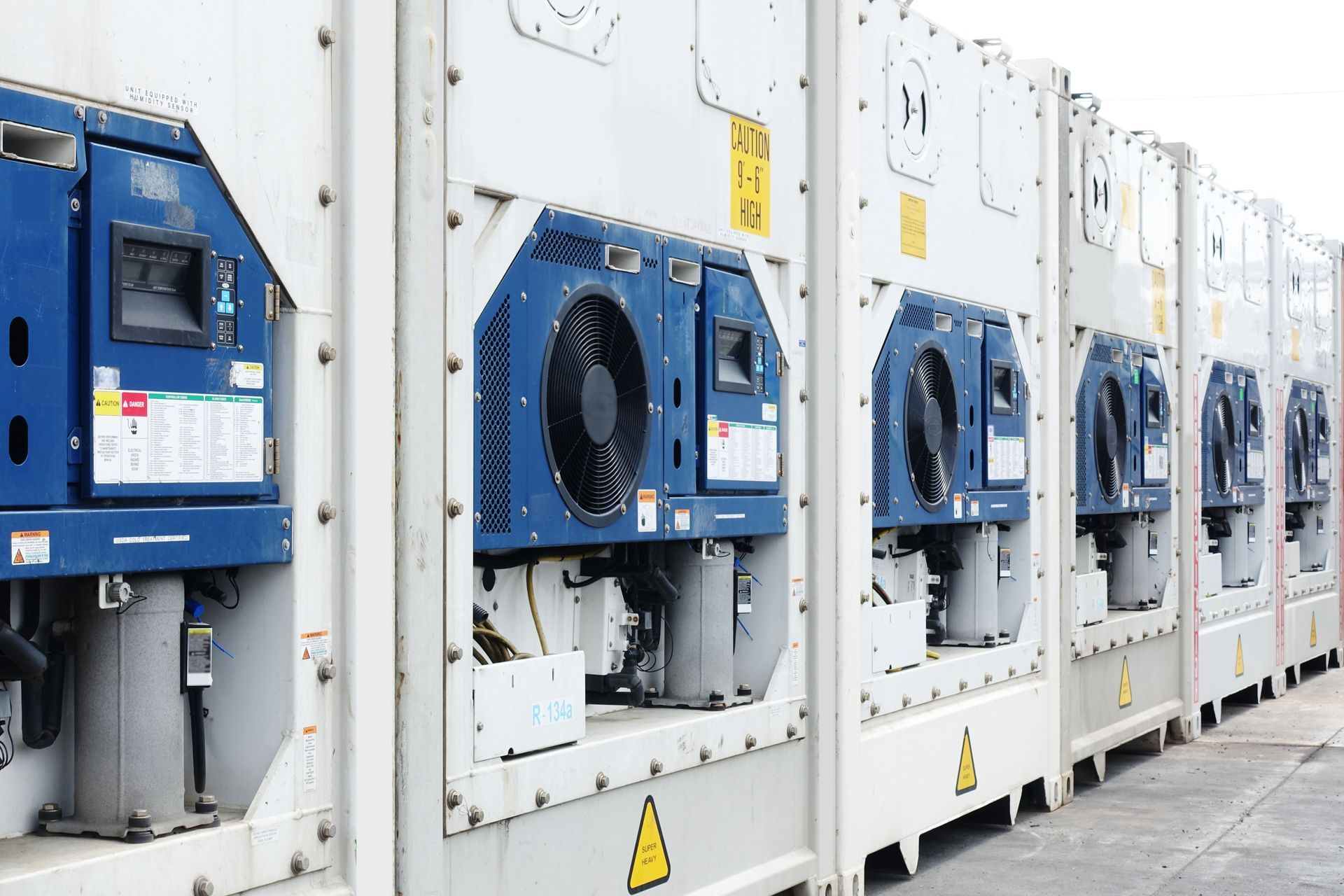
Temperature control is central to the value of any refrigerated trailer, but different businesses need different levels of cooling performance. Some cargo only needs to stay moderately cool, while other products require much lower temperatures to remain stable and safe during transport. According to ShipABCO.com, refrigerated trailers maintain temperatures between 55 degrees Fahrenheit and- 20 degrees Fahrenheit. That broad range gives businesses flexibility, but it also means buyers need to know what their products require before selecting a trailer and refrigeration system.
Choosing the right cooling capacity can help a business avoid underperforming equipment or unnecessary power use. A company transporting frozen foods may need a very different setup than one moving beverages, produce, or medical supplies. Factors such as route length, outside temperatures, loading frequency, and how long the trailer remains open during stops can all affect cooling needs as well. During refrigerated trailer sales discussions, it is helpful to focus on the exact temperature demands of your cargo so the final unit supports reliable cold-chain performance under real operating conditions.
Matching Construction Details to Industry Demands
Different businesses place different demands on their trailers, which is why construction details matter. Flooring, insulation, wall materials, door seals, and hardware all contribute to how well a trailer performs over time. A business that transports heavy loads may need reinforced flooring, while one focused on sanitation may prioritize surfaces that are easier to clean. Companies operating in demanding conditions may also need durable materials that hold up against frequent use, changing weather, and repeated temperature cycling.
Customization gives businesses a chance to focus on details that affect long-term durability and maintenance. A trailer that is built to match actual working conditions can offer better value than one designed around general assumptions. Construction choices also influence resale value, repair frequency, and day-to-day reliability. That is why refrigerated trailer sales should go beyond basic appearance and include a closer look at the materials and structural features that support your specific line of work. A trailer built with your industry in mind can be more dependable over the long run.
Supporting Branding and Business Presentation
A custom refrigerated trailer can also support your company’s image. For many businesses, trailers are visible on roads, at customer locations, and during events or deliveries, which means they can become part of the brand’s public presentation. Exterior finishes, graphics, color choices, and overall trailer appearance can help create a more polished and recognizable look. A trailer that reflects your business visually may leave a stronger impression on customers and help reinforce the professionalism of your operation.
Branding can be especially valuable for businesses that serve the public directly, such as caterers, food distributors, beverage companies, and specialty vendors. Even if the primary purpose of the trailer is storage and transport, appearance still matters when customers or partners see it regularly. Refrigerated trailer sales are sometimes viewed only through the lens of function, but presentation can be part of the value as well. A tailored unit can help support your brand while still delivering the cooling performance and usability your business needs.
Preparing for Growth and Changing Business Needs
One of the biggest advantages of a custom refrigerated trailer is the ability to plan for more than just your current workload. Businesses often grow, shift services, add routes, or expand product lines over time, and a trailer that fits only present-day needs may become less useful sooner than expected. Choosing a custom unit gives you the chance to think ahead about capacity, flexibility, and features that may support future growth. That approach can help you get more long-term value from the investment.
Planning ahead does not necessarily mean overspending on features you do not need right away. Instead, it means thinking strategically about what may help the trailer stay practical as your operation changes. A business that expects to add product categories, increase volume, or serve new markets may benefit from a trailer designed with extra adaptability in mind. Refrigerated trailer sales are not only about solving today’s transportation challenges. They can also be about positioning your business for smoother expansion and stronger operational support in the years ahead.
Custom refrigerated trailers can give businesses a more practical and efficient way to handle temperature-sensitive transportation and storage. From size and interior layout to cooling power, access points, construction details, and long-term flexibility, tailored features can make a trailer better suited to the way your company actually works. When you take time to match the trailer to your cargo, routes, and workflow, you are more likely to make an investment that supports both performance and growth. Working with professionals in refrigerated trailer sales can help guide your decision. To explore custom options that fit your operation, contact Jilco Equipment Leasing Co. Inc. today.





Share On: