The Pros and Cons of Refrigerated Trailer Ownership
Refrigerated trailers, often called reefers, play a critical role in transporting temperature-sensitive goods. From food and beverages to pharmaceuticals, these trailers help maintain product quality throughout the supply chain. While many businesses consider a refrigerated trailer sale to support logistics operations, ownership comes with both benefits and challenges. Understanding these factors can help companies make smarter investment decisions.
Understanding Refrigerated Trailers
The Basic Functionality
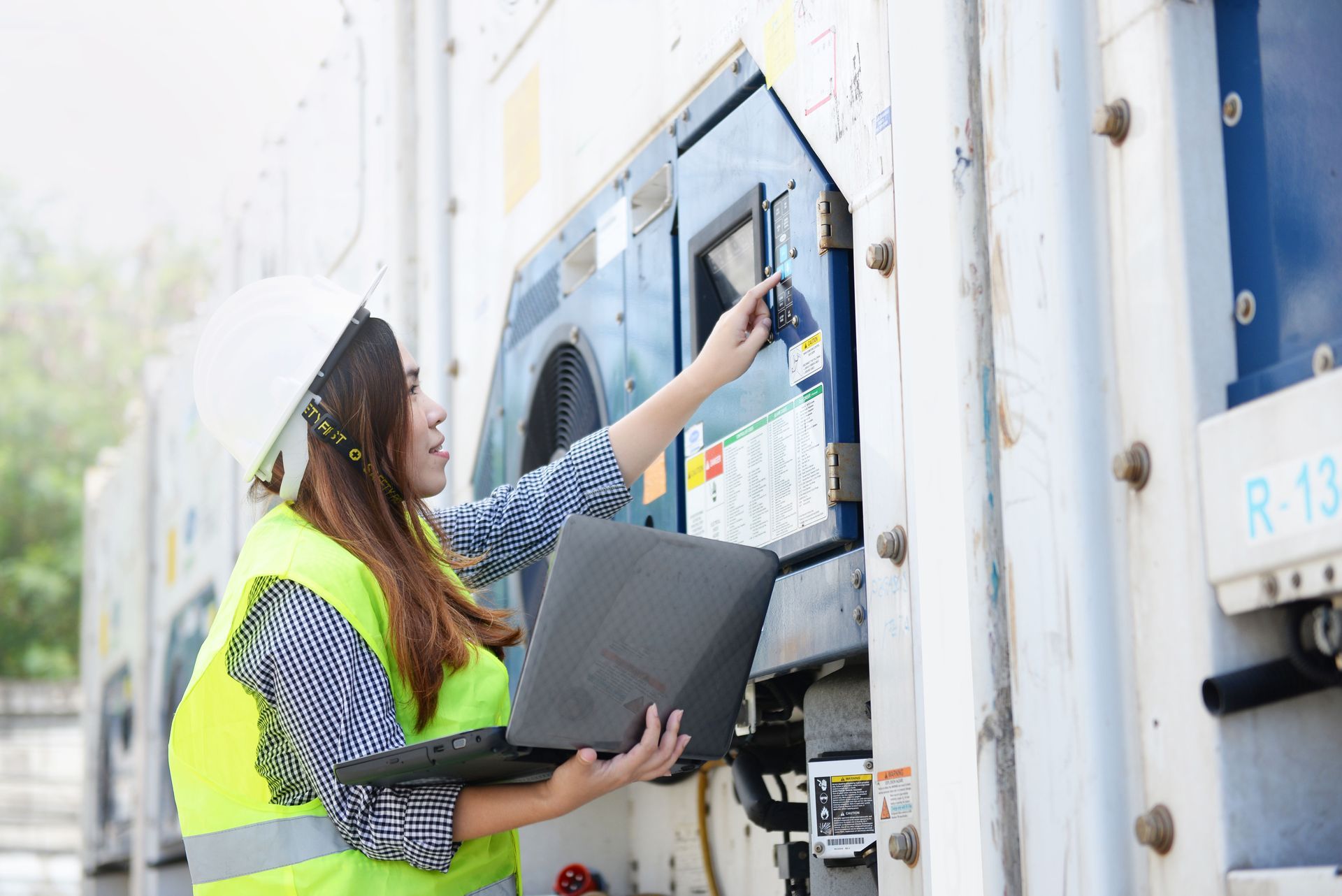
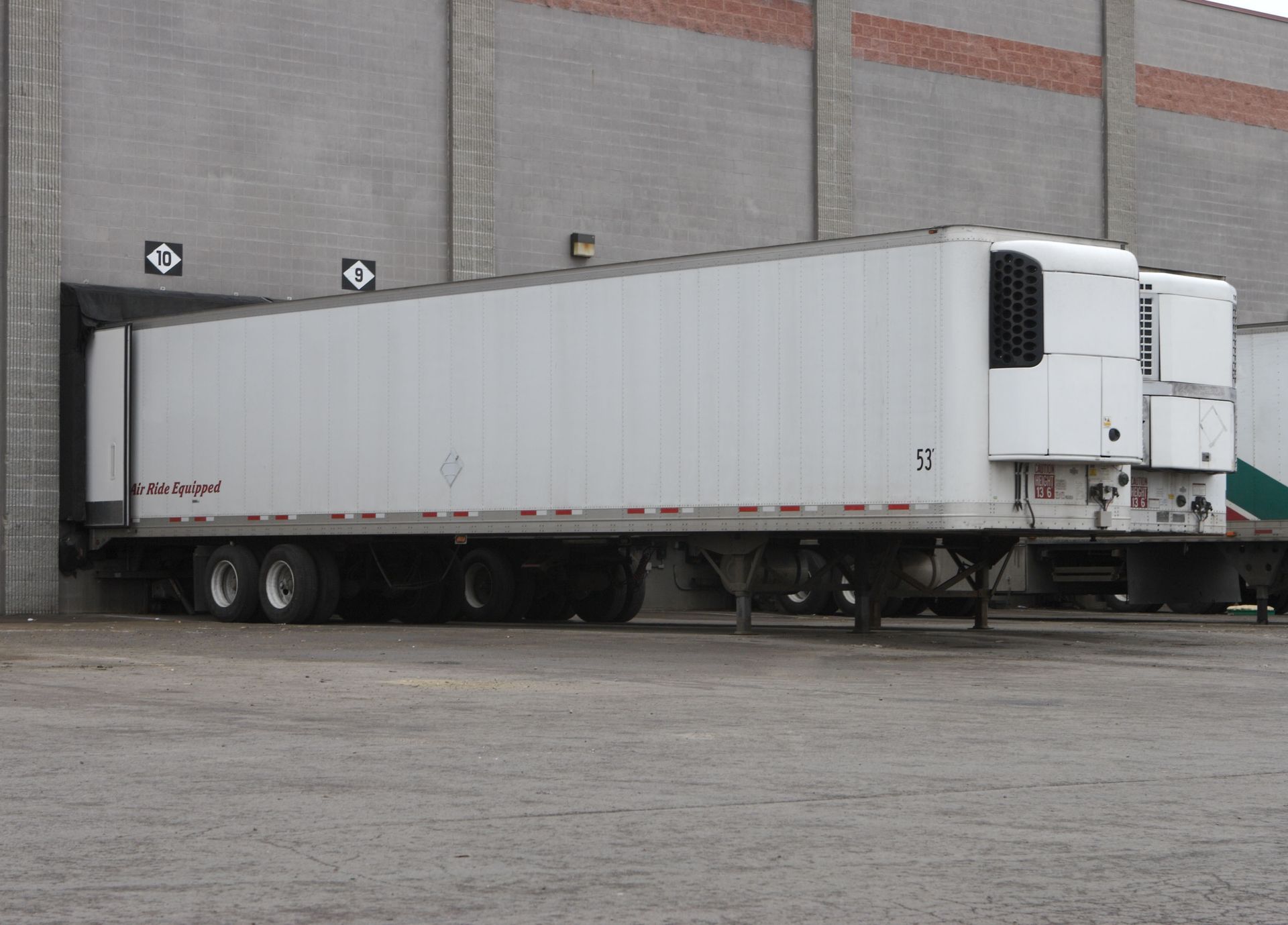
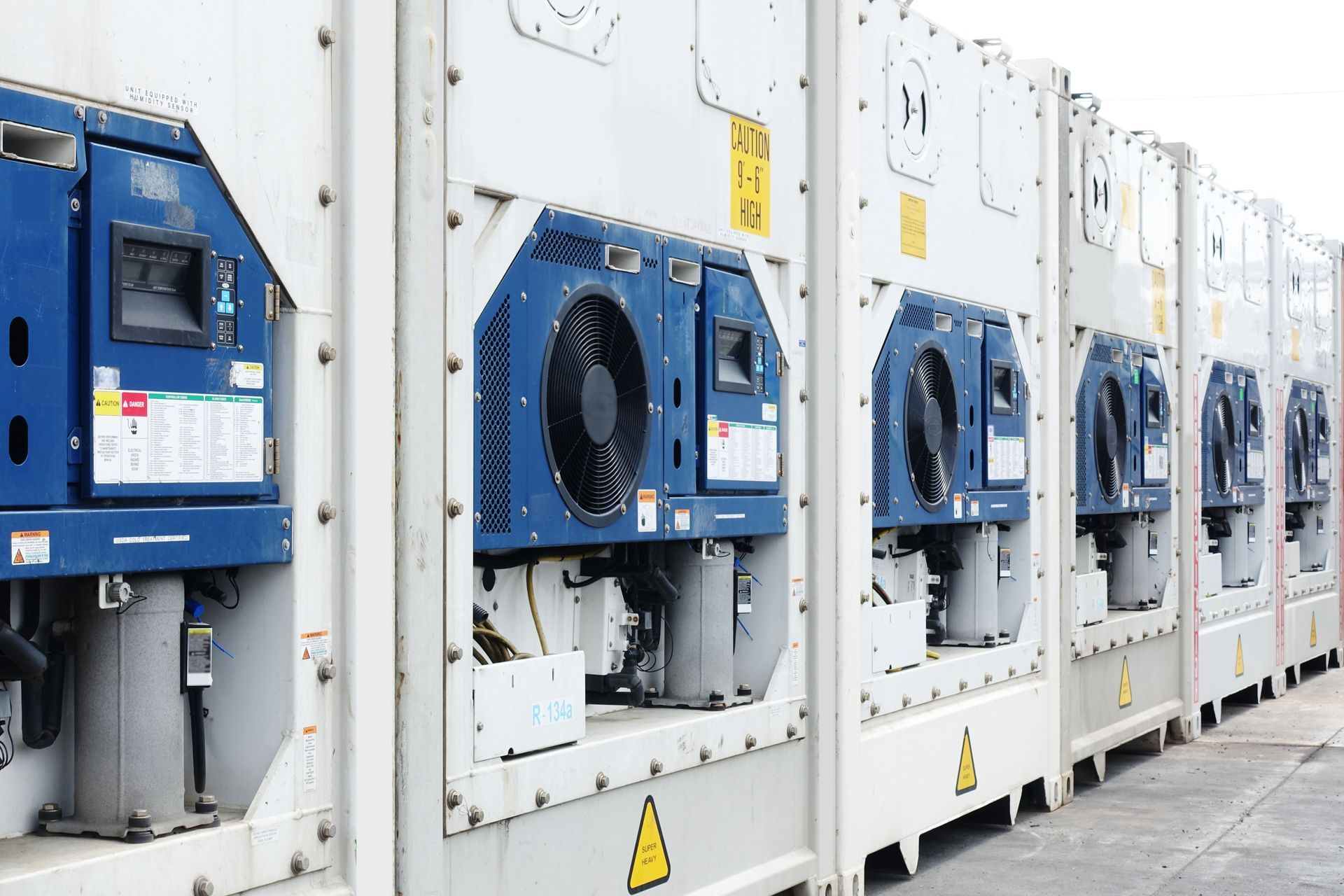
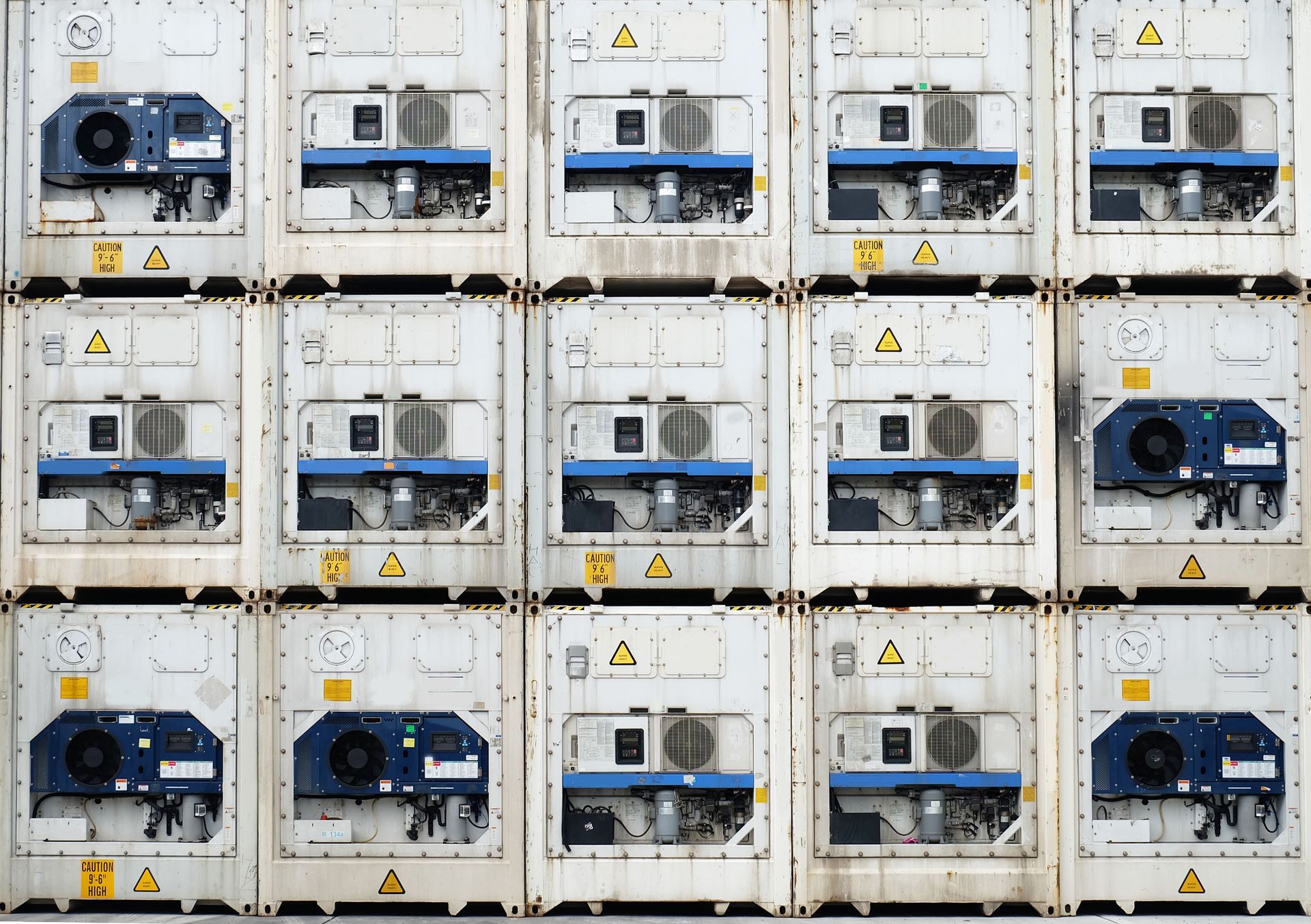
Refrigerated trailers are designed to maintain consistent temperatures during transport. They use insulated walls and refrigeration units powered by diesel or electric systems to keep goods fresh. These systems allow operators to set and monitor temperatures based on the cargo’s requirements, ensuring safe delivery from origin to destination.
Types and Specifications
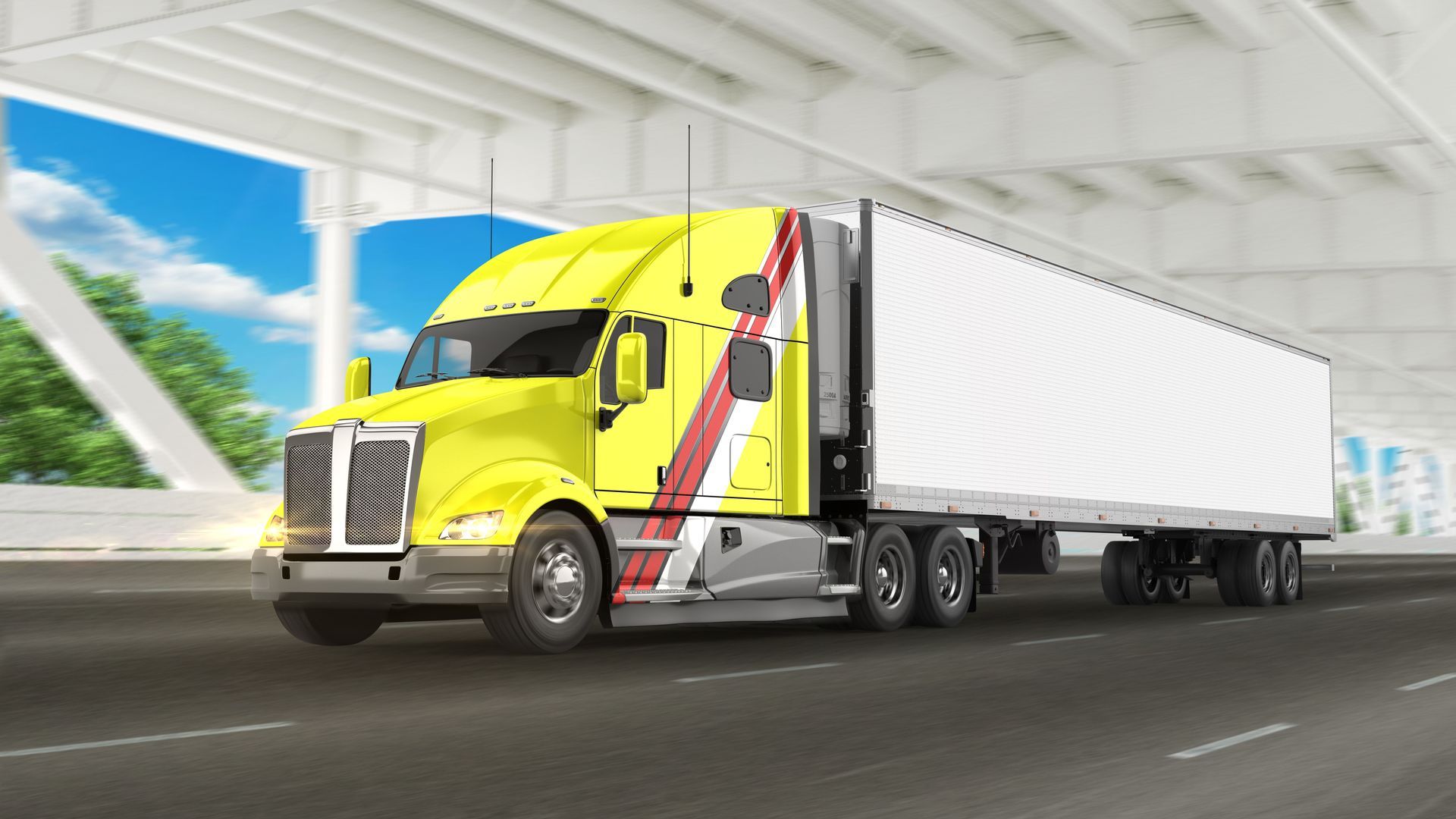
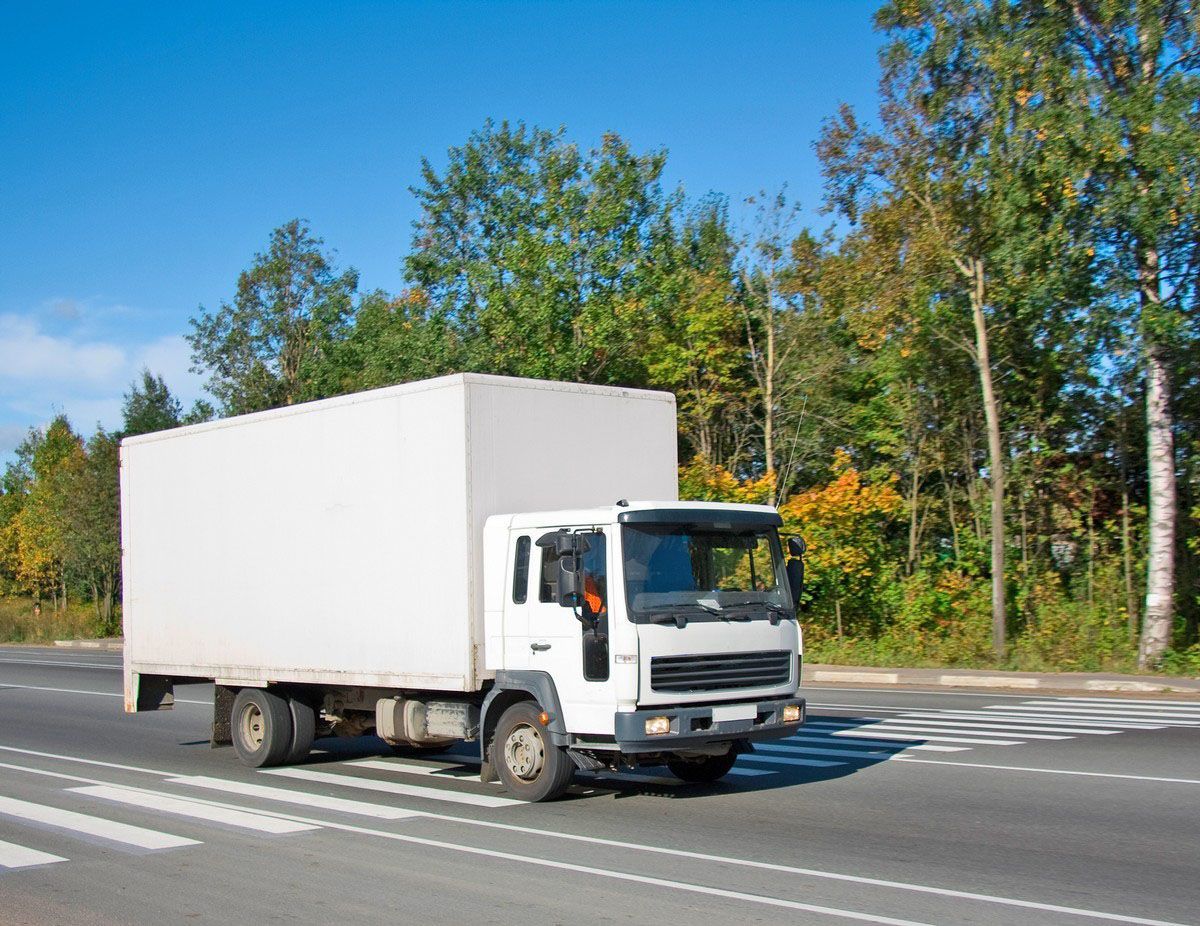
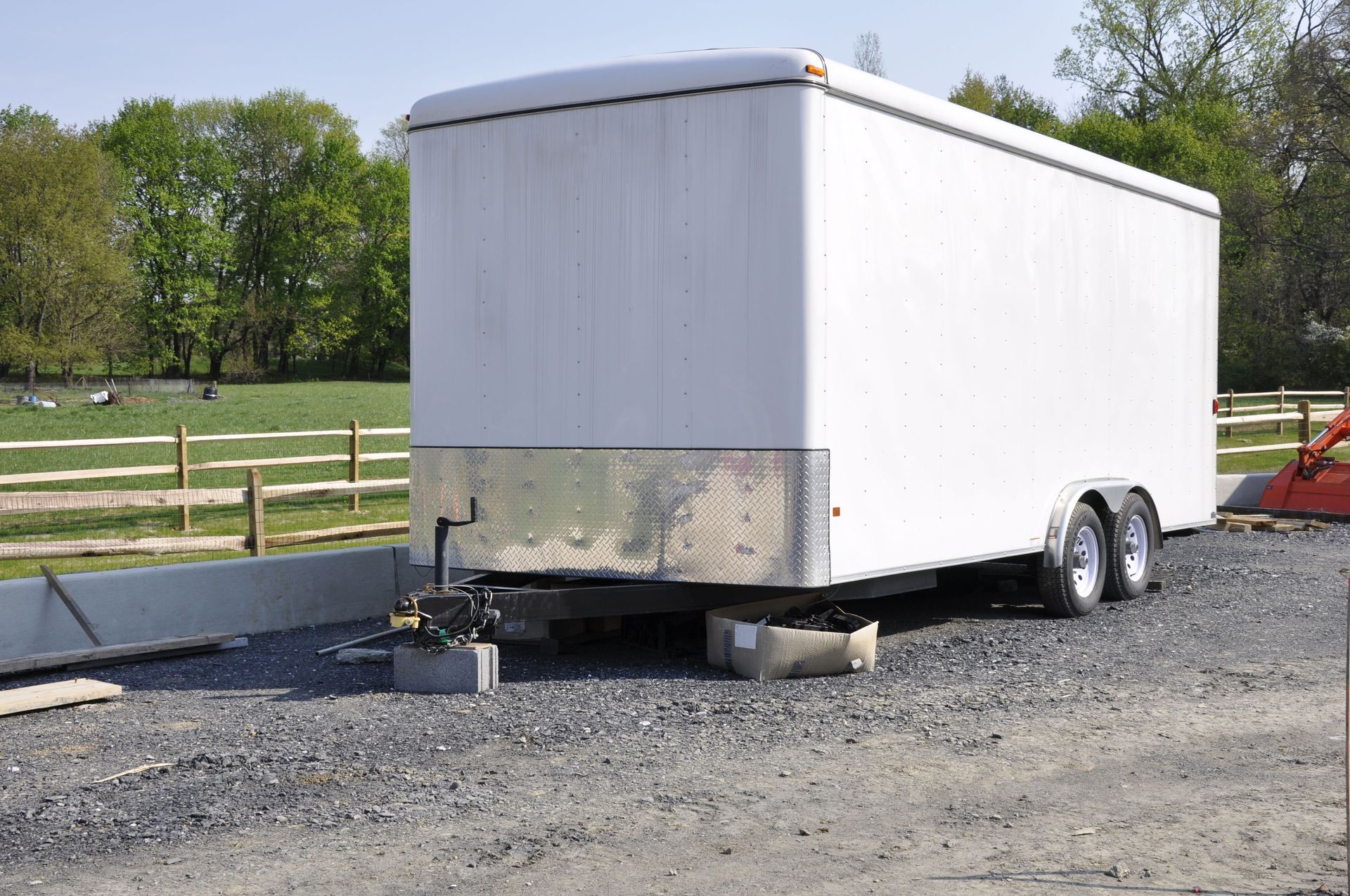
Reefer trailers come in a range of sizes and configurations. Smaller units work well for local deliveries, while larger multi-axle trailers are ideal for long-haul transportation. Buyers exploring a refrigerated trailer sale should consider payload capacity, insulation quality, and temperature range to ensure the trailer fits operational needs.
Technological Advancements
Modern refrigerated trailers include advanced features such as digital temperature controls, GPS tracking, and telematics systems. These tools improve efficiency and allow real-time monitoring of cargo conditions. Some units also include energy-saving technologies that reduce fuel consumption and environmental impact.
Industry Applications
Refrigerated trailers serve multiple industries. Food distributors rely on them to transport fresh and frozen goods, while pharmaceutical companies use them for temperature-sensitive medications. Florists and plant nurseries also depend on reefers to maintain product quality during transit.
Benefits of Refrigerated Trailer Ownership
Control Over Quality and Timing
Owning a refrigerated trailer gives businesses full control over their logistics. Instead of depending on third-party providers, companies can manage schedules, routes, and delivery timelines. This control helps reduce delays and ensures products arrive in optimal condition.
Cost Efficiency for Frequent Use
For businesses with consistent shipping needs, investing in a refrigerated trailer sale can be cost-effective over time. While the upfront cost may be high, ownership eliminates recurring rental fees. Over time, the cost per trip decreases, making ownership a practical option for high-volume operations.
Operational Flexibility
Having immediate access to refrigerated transport allows businesses to respond quickly to changing demands. Whether handling last-minute orders or adjusting delivery routes, ownership offers flexibility that can improve customer satisfaction and operational efficiency.
Brand Image and Reliability
A dedicated fleet of refrigerated trailers can strengthen a company’s reputation. Customers and partners often associate owned equipment with reliability and professionalism. This perception can help build trust and support long-term business relationships.
Additional Revenue Opportunities
Businesses can also generate income by renting out unused trailers. When demand fluctuates, idle equipment can be leased to other companies. This approach helps offset maintenance costs and maximizes the return on investment.
Financial Considerations
Initial Investment Costs
Purchasing a refrigerated trailer requires a significant upfront investment. This includes the cost of the trailer and any customization needed for specific cargo. According to Truck News, transportation refrigeration units have a lifespan of five to 10 years, which plays a key role in determining long-term value and return on investment.
Maintenance and Upkeep
Routine maintenance is essential to keep refrigerated trailers operating efficiently. Costs may include servicing the engine, repairing insulation, and maintaining the refrigeration system. Preventative maintenance helps reduce the risk of breakdowns and extends the trailer’s lifespan.
Insurance Requirements
Refrigerated trailers require specialized insurance coverage. Policies often include protection for both the trailer and the refrigeration unit, as well as coverage for cargo loss due to equipment failure. These costs should be factored into overall ownership expenses.
Depreciation and Resale Value
Like most equipment, refrigerated trailers lose value over time. However, well-maintained units can retain higher resale value. Businesses planning to upgrade equipment in the future should consider depreciation when evaluating a refrigerated trailer sale.
Operational Challenges
Logistics Management
Managing a fleet of refrigerated trailers requires careful planning. Scheduling deliveries, optimizing routes, and coordinating drivers can become complex as operations grow. Efficient systems and software are often needed to maintain productivity.
Regulatory Compliance
Refrigerated transport is subject to strict regulations. Companies must follow guidelines related to temperature control, food safety, and driver working hours. Staying compliant requires ongoing monitoring and staff training.
Temperature Control Risks
Maintaining consistent temperatures is critical. Equipment failures can lead to spoiled goods and financial losses. Regular inspections and monitoring systems help reduce these risks, but contingency plans are still necessary.
Driver Training and Availability
Drivers must understand how to operate refrigeration systems and handle temperature-sensitive cargo. Training programs are essential, especially as the logistics industry faces ongoing driver shortages.
Environmental Impact
Fuel Consumption
Refrigerated trailers consume significant amounts of fuel, especially when both the vehicle and refrigeration unit rely on diesel engines. This can increase operating costs and environmental impact.
Emissions Concerns
Emissions from refrigerated trailers contribute to air pollution. Many companies are exploring lower-emission technologies to reduce their environmental footprint and meet regulatory requirements.
Alternative Technologies
New solutions such as electric refrigeration units and solar-assisted systems are becoming more common. While these options may cost more upfront, they can reduce long-term operating expenses and support sustainability goals.
Exploring Alternatives
Leasing Options
Leasing provides access to refrigerated trailers without the high upfront cost. This option is ideal for businesses with short-term or seasonal needs. Maintenance is often included in lease agreements, reducing operational responsibilities.
Third-Party Logistics Providers
Outsourcing to third-party logistics providers allows businesses to focus on core operations. These providers offer expertise and established networks, but companies may have less control over scheduling and handling.
Shared Ownership Models
Some businesses choose to share ownership of refrigerated trailers. This approach spreads costs across multiple partners and ensures better utilization of equipment. However, it requires clear agreements and coordination.
Cost Comparison
Comparing ownership with alternatives is essential. Businesses should evaluate total costs, including purchase price, maintenance, and operations, against the benefits of flexibility and control. A well-informed decision ensures alignment with long-term goals.
Making the Right Investment Decision
Choosing whether to invest in a refrigerated trailer sale depends on several factors, including budget, shipping frequency, and long-term business goals. Companies should assess how often they need temperature-controlled transport and whether ownership will provide a return on investment. Evaluating financing options, resale potential, and operational capacity can further clarify the decision-making process.
It is also helpful to analyze current logistics challenges. If delays, product loss, or inconsistent service are common issues, ownership may offer a more reliable solution. On the other hand, businesses with fluctuating demand may benefit more from flexible options like leasing or outsourcing. Taking time to compare these approaches ensures a more strategic investment.
Ultimately, a refrigerated trailer sale can provide significant advantages when aligned with the right operational strategy. By balancing costs, risks, and long-term benefits, businesses can position themselves for improved efficiency, stronger customer satisfaction, and sustainable growth.
Refrigerated trailer ownership offers both advantages and challenges. While it provides control, flexibility, and potential cost savings, it also requires significant investment and ongoing management. Exploring a refrigerated trailer sale can be a smart move for businesses with consistent logistics needs, but alternatives like leasing or outsourcing may be better suited for others. By carefully weighing the pros and cons, companies can choose the option that best supports their operations and growth. For more information, contact Jilco Equipment Leasing Company Inc today.



Share On: