The Evolution of Reefer Trailer Technology
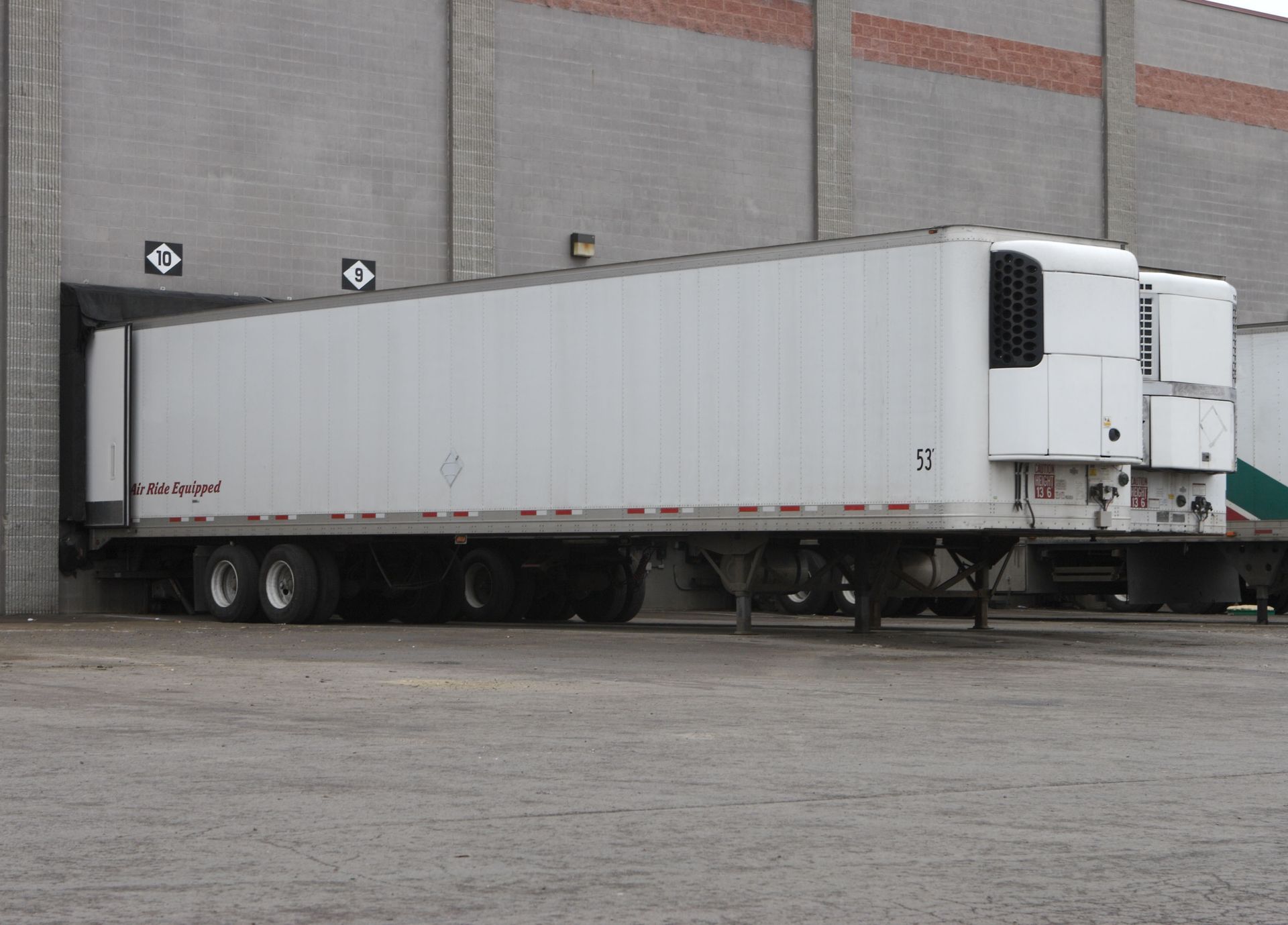
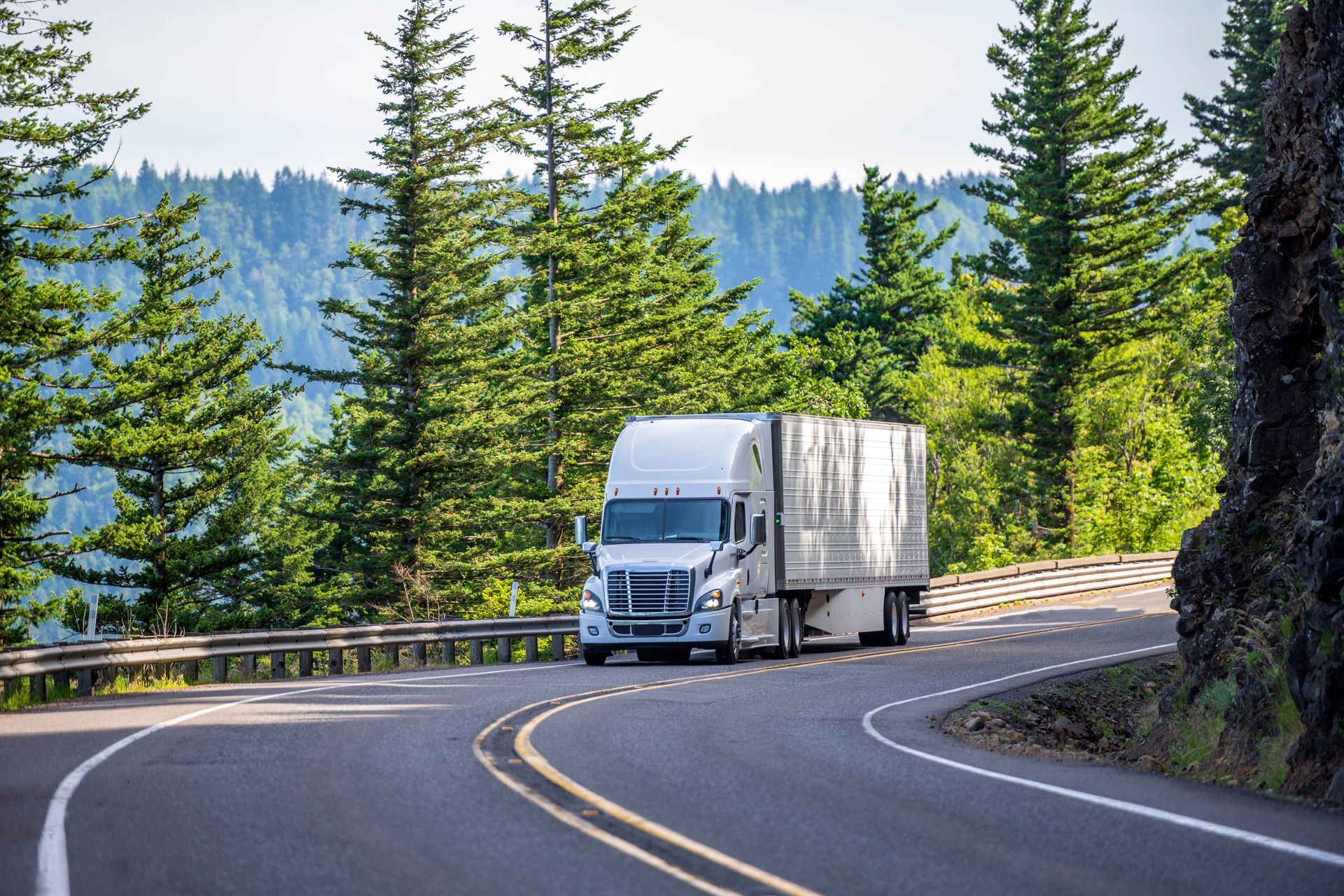
Refrigerated transportation has transformed the way businesses move temperature-sensitive goods across cities, countries, and continents. From fresh produce and dairy products to pharmaceuticals and frozen foods, reliable cold chain logistics have become an essential part of modern commerce. At the heart of this system is the reefer trailer, a specialized piece of equipment designed to maintain precise temperatures throughout transit.
As consumer demand for fresh and high-quality products has grown, so needs more advanced reefer transportations. Today's refrigerated trailers are equipped with sophisticated monitoring systems, improved insulation, and energy-efficient cooling units that allow carriers to deliver products safely over long distances. These advancements have not only strengthened supply chains but have also expanded global trade opportunities, allowing businesses to serve customers far beyond their local markets.
How Have Reefer Trailers Evolved Over Time?
The history of refrigerated transportation is closely tied to technological innovation. Early methods relied on natural ice and insulated railcars, which offered limited temperature control and restricted shipping distances. As industries expanded and consumers demanded year-round access to fresh products, better refrigeration methods became necessary.
A major milestone came during the twentieth century. According to historical records, Frederick McKinley Jones patented the world's first successful refrigerated transportation system in 1939, paving the way for the reliable mobile refrigeration technology used throughout the logistics industry today. His invention dramatically improved the ability to transport perishable goods over long distances while maintaining product quality.
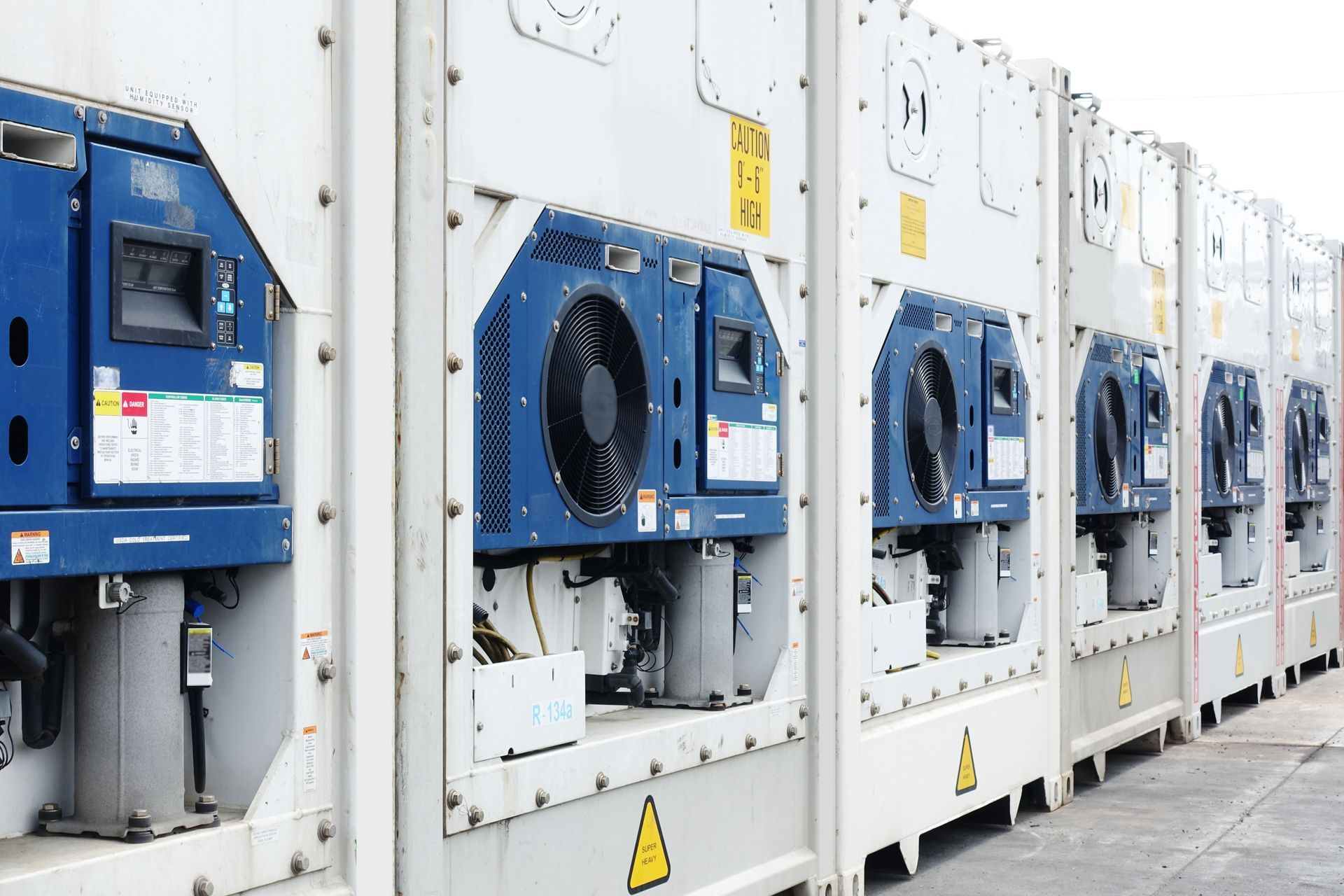
Over the decades, refrigeration systems became smaller, more powerful, and more dependable. Diesel-powered refrigeration units eventually replaced many earlier designs, providing consistent cooling regardless of external weather conditions. Better insulation materials further reduced temperature fluctuations and improved fuel efficiency.
The trailers themselves also evolved. Manufacturers introduced lightweight materials that reduced overall vehicle weight while increasing cargo capacity. Stronger structural designs enhanced durability, allowing fleets to operate more efficiently over extended service lives.
These improvements helped reefer transportations become an indispensable component of industries ranging from agriculture and grocery distribution to healthcare and biotechnology.
What Role Does Technology Play in Modern Reefer Transportations?
Modern refrigerated trailers have become far more than insulated boxes with cooling units. Today's reefer trailers function as intelligent transportation systems that continuously monitor cargo conditions and communicate with fleet managers in real time.
GPS integration allows dispatchers to track shipments throughout every stage of the journey. At the same time, onboard sensors measure internal temperatures, humidity levels, fuel usage, and equipment performance. If a refrigeration unit begins operating outside acceptable parameters, alerts can be sent immediately, allowing operators to respond before products are compromised.
Remote monitoring has become one of the most valuable advancements in reefer transportations. Fleet managers no longer need to rely solely on driver reports because they can access temperature logs from virtually anywhere. This level of visibility helps businesses demonstrate regulatory compliance while providing customers with greater confidence that products remained within required temperature ranges.
Many refrigeration systems now include automated controls that adjust cooling output based on cargo requirements and external weather conditions. Instead of running continuously at maximum capacity, these systems optimize performance to reduce fuel consumption without sacrificing product safety.
Predictive maintenance has also become increasingly important. By analyzing operating data, advanced software can identify early signs of component wear before equipment failures occur. Preventive repairs help reduce unexpected breakdowns, minimize costly cargo losses, and improve overall fleet reliability.
Digital recordkeeping has further streamlined compliance with food safety regulations by automatically documenting temperature histories throughout each shipment.
Why Is Temperature Control Crucial in Reefer Trailers?
Maintaining proper temperature is the foundation of successful refrigerated transportation. Even brief fluctuations can affect product quality, shorten shelf life, or create safety concerns depending on the type of cargo being transported.
Fresh fruits and vegetables often require carefully controlled temperatures to slow ripening while preventing freezing damage. Dairy products demand consistent refrigeration to reduce bacterial growth. Frozen foods must remain below specific thresholds to preserve texture, flavor, and food safety throughout transportation.
The pharmaceutical industry presents even greater challenges. Certain vaccines, medications, and laboratory materials require highly specific temperature ranges throughout transit. Small deviations can reduce effectiveness or render products unusable, making dependable refrigeration absolutely essential.
Modern reefer trailers accomplish this through advanced airflow systems that distribute cooled air evenly throughout the cargo area. Improved insulation minimizes heat transfer from outside environments, helping maintain consistent temperatures even during long trips across varying climates.
Many trailers also feature multiple temperature zones, allowing different products to travel together while remaining within their individual storage requirements. This flexibility increases operational efficiency and reduces the need for separate shipments.
Accurate temperature documentation has become equally important. Continuous monitoring provides detailed records that verify cargo remained within required conditions throughout transport. These records support quality assurance programs and assist companies in meeting increasingly strict industry regulations.
What Are the Environmental Impacts of Reefer Transportations?
While refrigerated transportation delivers enormous economic and public health benefits, it also presents environmental challenges. Refrigeration units consume fuel and produce emissions, while older cooling technologies have historically relied on refrigerants with significant environmental impacts.
Recognizing these concerns, manufacturers and fleet operators have invested heavily in cleaner technologies that improve sustainability without compromising performance.
Modern refrigeration units are significantly more fuel efficient than earlier generations. Improved compressors, electronic controls, and smarter operating systems reduce unnecessary engine operation while maintaining stable temperatures.
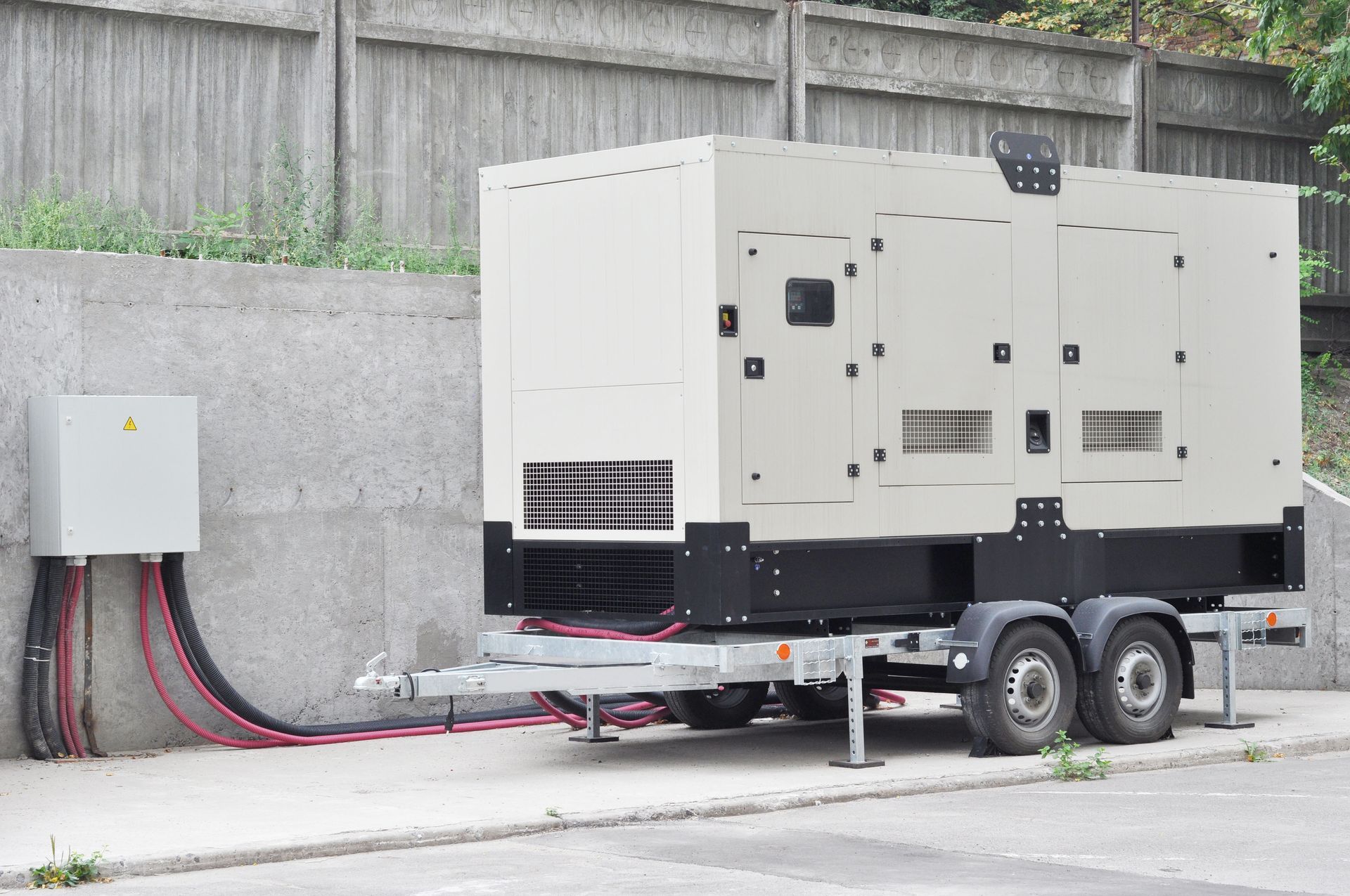
Electric standby capabilities have become increasingly common at warehouses and distribution centers. Instead of operating diesel-powered refrigeration units during loading and unloading, trailers can connect to external electrical power, reducing fuel consumption and lowering emissions.
Alternative energy solutions are also gaining attention. Solar panels installed on trailer roofs can supplement onboard electrical systems by powering monitoring equipment and reducing battery loads. Although solar technology currently cannot replace primary refrigeration systems in most applications, ongoing improvements continue to expand its practical uses.
Manufacturers have also adopted environmentally safer refrigerants with lower global warming potential compared to older chemicals. These changes help reduce the environmental footprint of refrigerated transportation while complying with evolving regulations.
Where Is the Future Headed for Reefer Trailer Technology?
The future of refrigerated transportation will likely be shaped by greater automation, enhanced connectivity, and continued improvements in energy efficiency.
Artificial intelligence is expected to play a growing role in managing refrigeration systems. AI-powered software can analyze weather conditions, cargo characteristics, traffic patterns, and historical performance data to optimize cooling strategies during every shipment.
The Internet of Things will continue expanding the number of connected devices within reefer trailers. Additional sensors may monitor vibration, door openings, humidity, product movement, and equipment health simultaneously, providing unprecedented visibility throughout the transportation process.
Battery-electric refrigeration units are also becoming more practical as battery technology improves. These systems have the potential to reduce emissions while lowering operating costs in certain applications, particularly for regional distribution routes.
Hydrogen fuel technologies and alternative power systems may also become viable options for future refrigeration equipment as supporting infrastructure develops.
Automation may extend beyond refrigeration itself. Semi-autonomous fleet management systems could coordinate maintenance schedules, monitor driver performance, and automatically adjust delivery routes based on real-time traffic and weather information.
Reefer trailer technology has advanced dramatically from its early beginnings, transforming refrigerated transportation into one of the most reliable components of modern logistics. Innovations in refrigeration systems, insulation, digital monitoring, and predictive maintenance have significantly improved the safety and efficiency of moving temperature-sensitive goods.
Precise temperature control remains essential for protecting food, pharmaceuticals, and countless other products that depend on stable environmental conditions. At the same time, sustainability initiatives are driving cleaner refrigeration technologies, improved fuel efficiency, and environmentally responsible operating practices.
Looking ahead, continued advances in automation, artificial intelligence, connectivity, and alternative energy promise to reshape reefer transportations even further. As technology continues evolving, refrigerated trailers will remain a critical link in the global supply chain, supporting businesses, consumers, and industries that rely on dependable cold chain logistics every day. If you're looking for reefer transportation, reach out to the team at Jilco Equipment Leasing Co. Inc today!


Share On: