How Reefer Trailer Rentals Help Maintain Product Quality During Transit
In logistics, maintaining product quality during transit is essential for protecting inventory, meeting customer expectations, and reducing avoidable waste. Temperature-sensitive goods can quickly lose value when exposed to heat, humidity, freezing conditions, or inconsistent handling. For businesses moving food, pharmaceuticals, flowers, chemicals, or delicate materials, controlled transportation is a critical part of safe delivery. Reefer trailer rentals provide a flexible way to move these products under regulated conditions without requiring companies to purchase specialized equipment outright.
By keeping cargo within the correct temperature range, refrigerated trailers help preserve freshness, safety, and performance from pickup to final delivery. They support both local routes and longer regional shipments, giving companies more control over how products are handled throughout the supply chain. As customer demand for fresh, reliable deliveries continues to grow, businesses are using refrigerated trailers to strengthen logistics operations.
The Role of Refrigerated Trailers in Modern Logistics
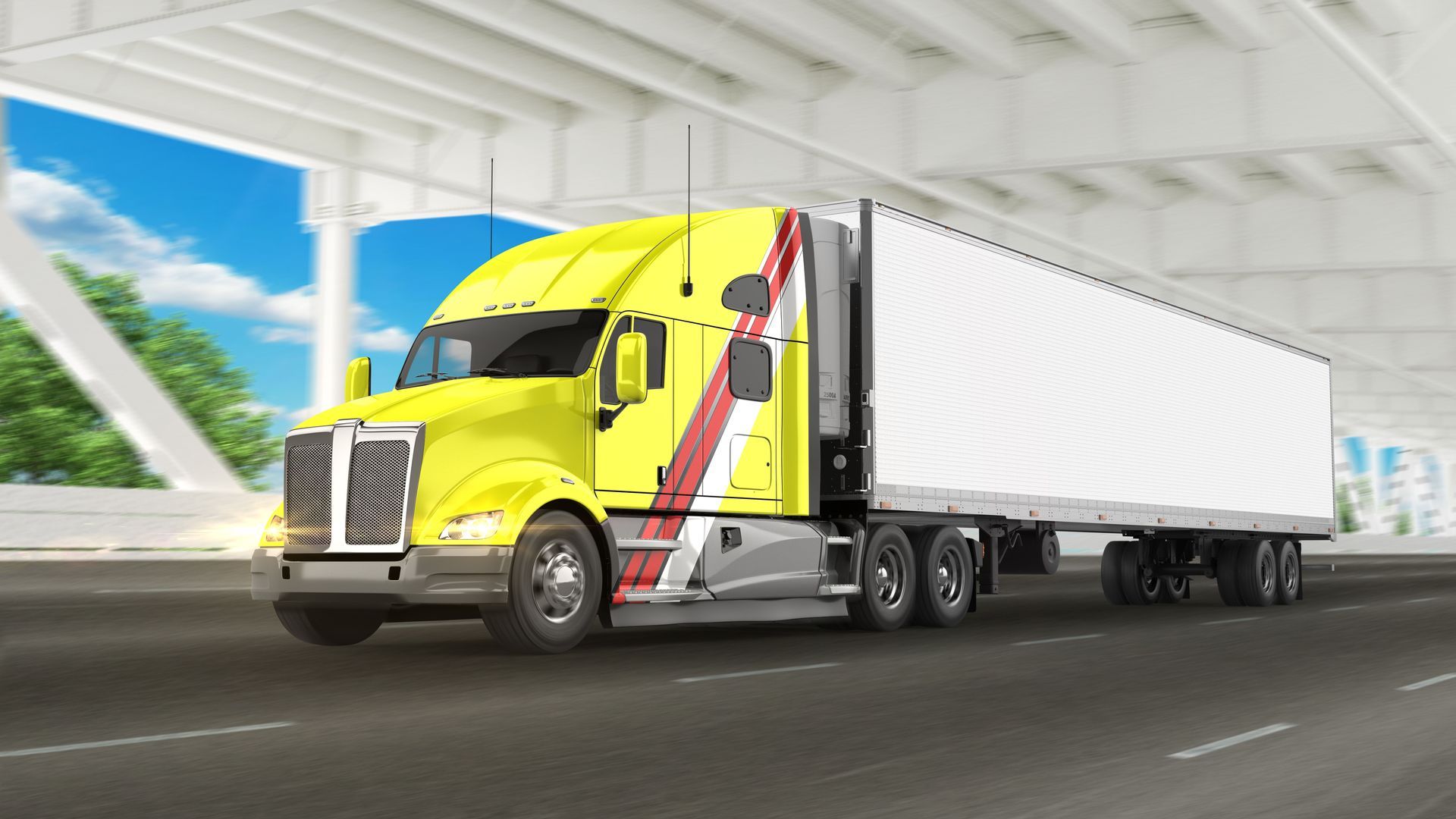
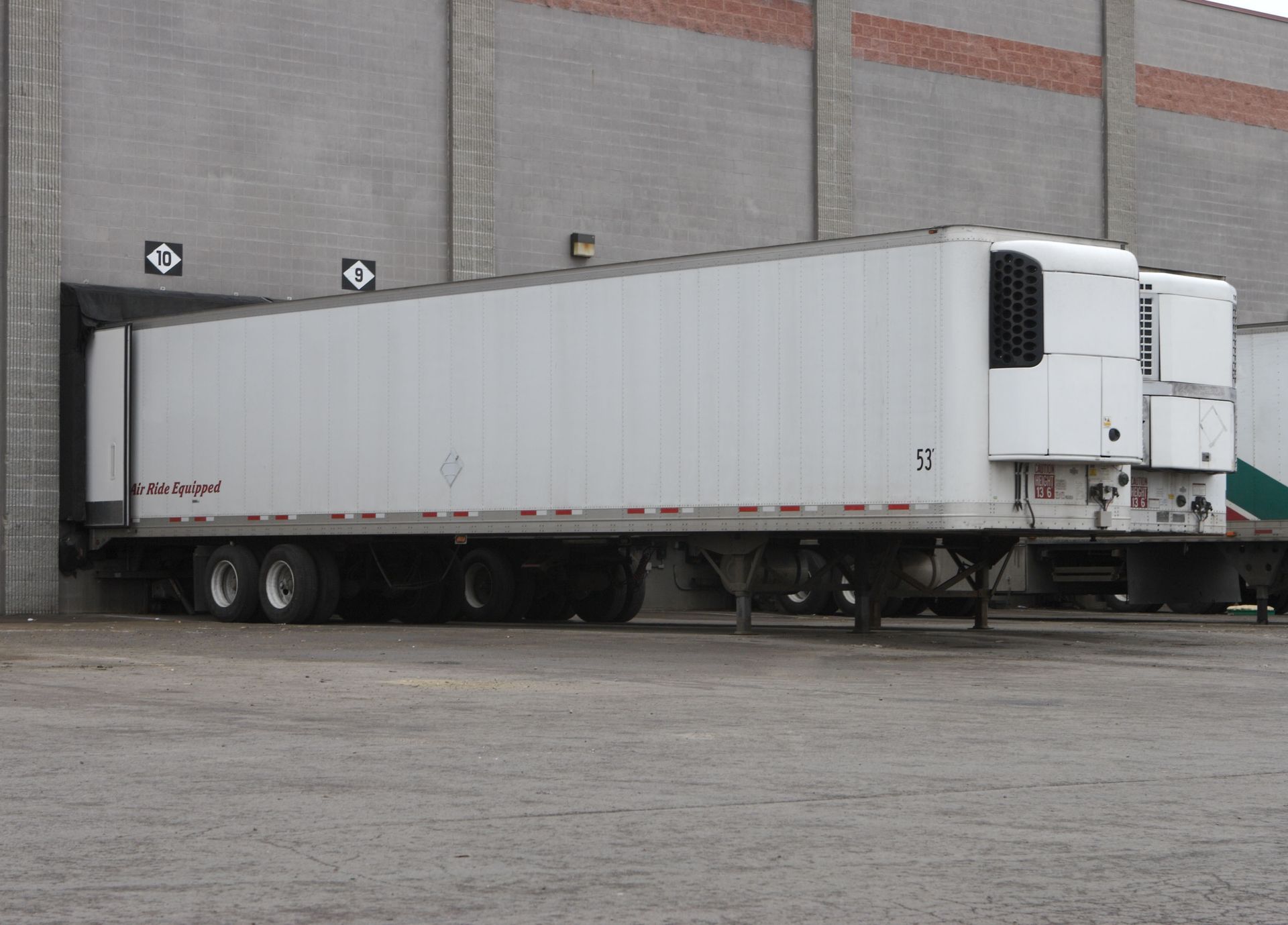
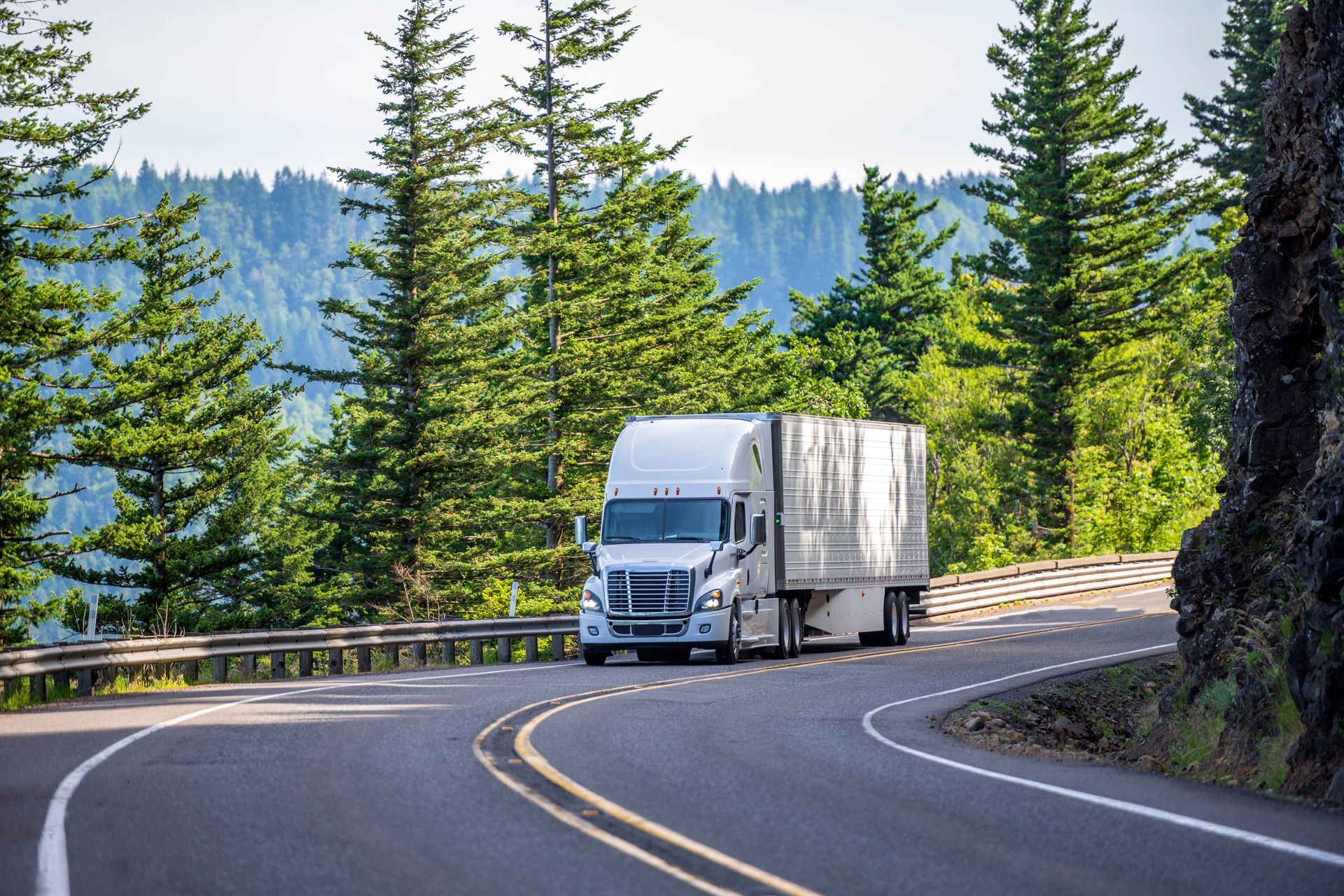
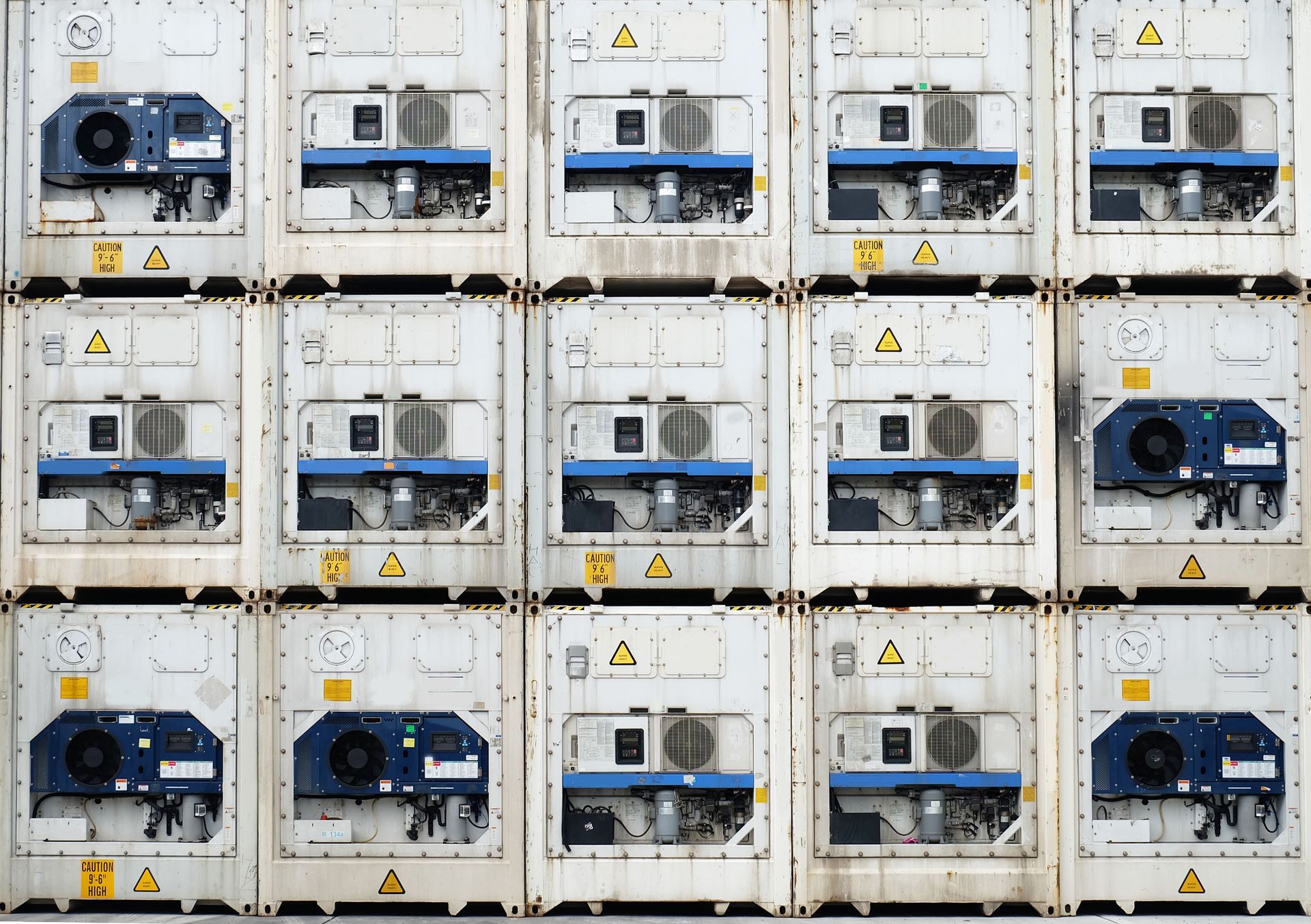
Refrigerated trailers, often called reefers, are designed to transport goods that must remain within a specific temperature range. These trailers include built-in refrigeration units that regulate the interior environment while products are in motion. Depending on the cargo, a trailer may be set to maintain chilled, frozen, or carefully moderated temperatures. This makes them useful for grocery distribution, catering, agriculture, pharmaceuticals, floral delivery, and specialty manufacturing.
Modern refrigerated transport has become more important as supply chains have grown faster and more complex. Consumers expect fresh produce, frozen foods, and temperature-sensitive products to arrive in excellent condition. Businesses that rely on reefer trailer rentals can meet these expectations while avoiding the large upfront investment associated with owning refrigerated equipment. This flexibility is especially valuable for seasonal operations or companies with changing delivery volumes.
Maintaining Consistent Temperature Control
Consistent temperature control is one of the most important ways refrigerated trailers protect product quality. Even a brief temperature fluctuation can affect sensitive cargo, especially dairy, meat, seafood, prepared meals, vaccines, and certain medications. When products become too warm or too cold, spoilage, texture changes, reduced shelf life, and safety concerns may occur. Refrigerated trailers help reduce these risks by keeping the cargo area stable throughout the trip.
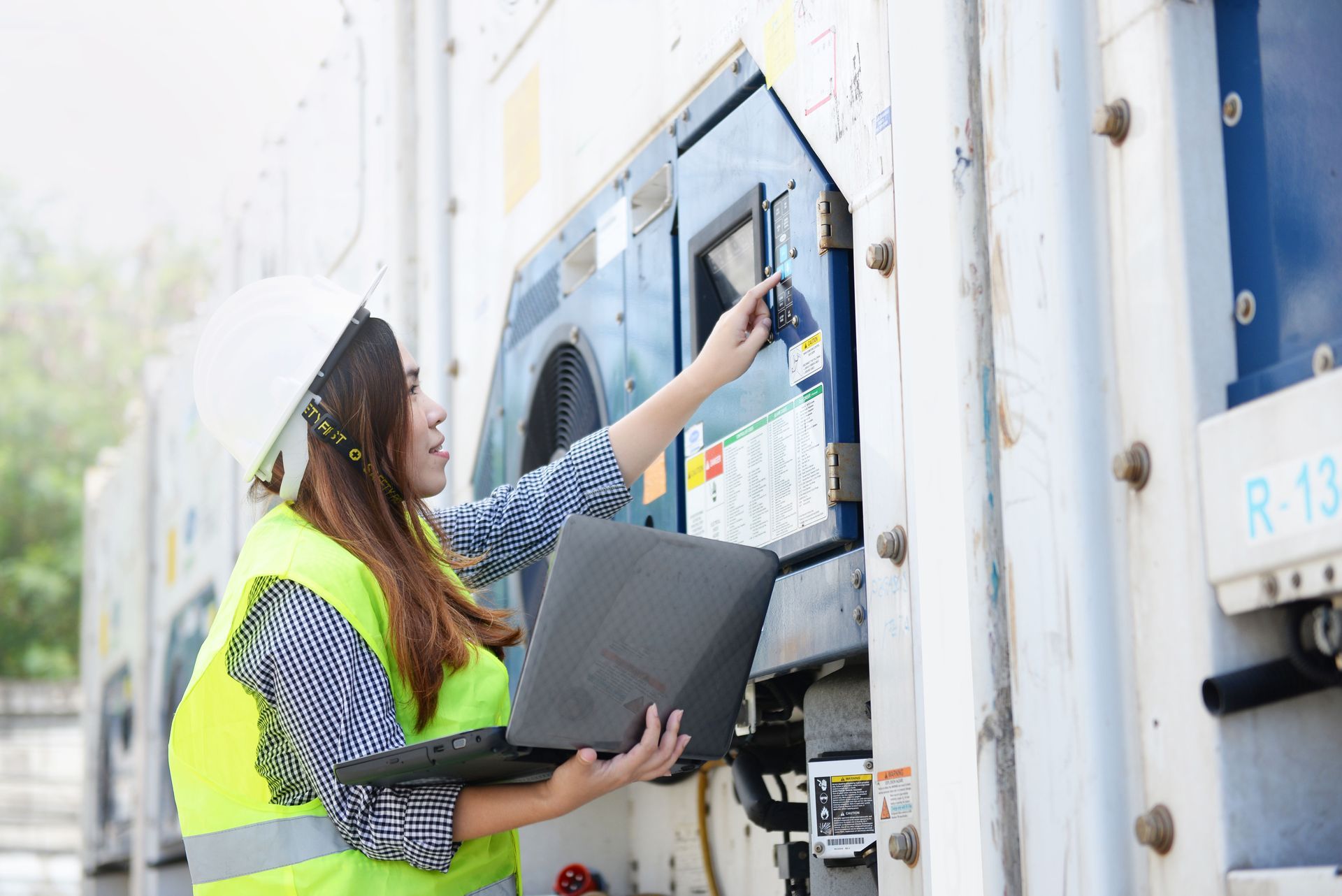
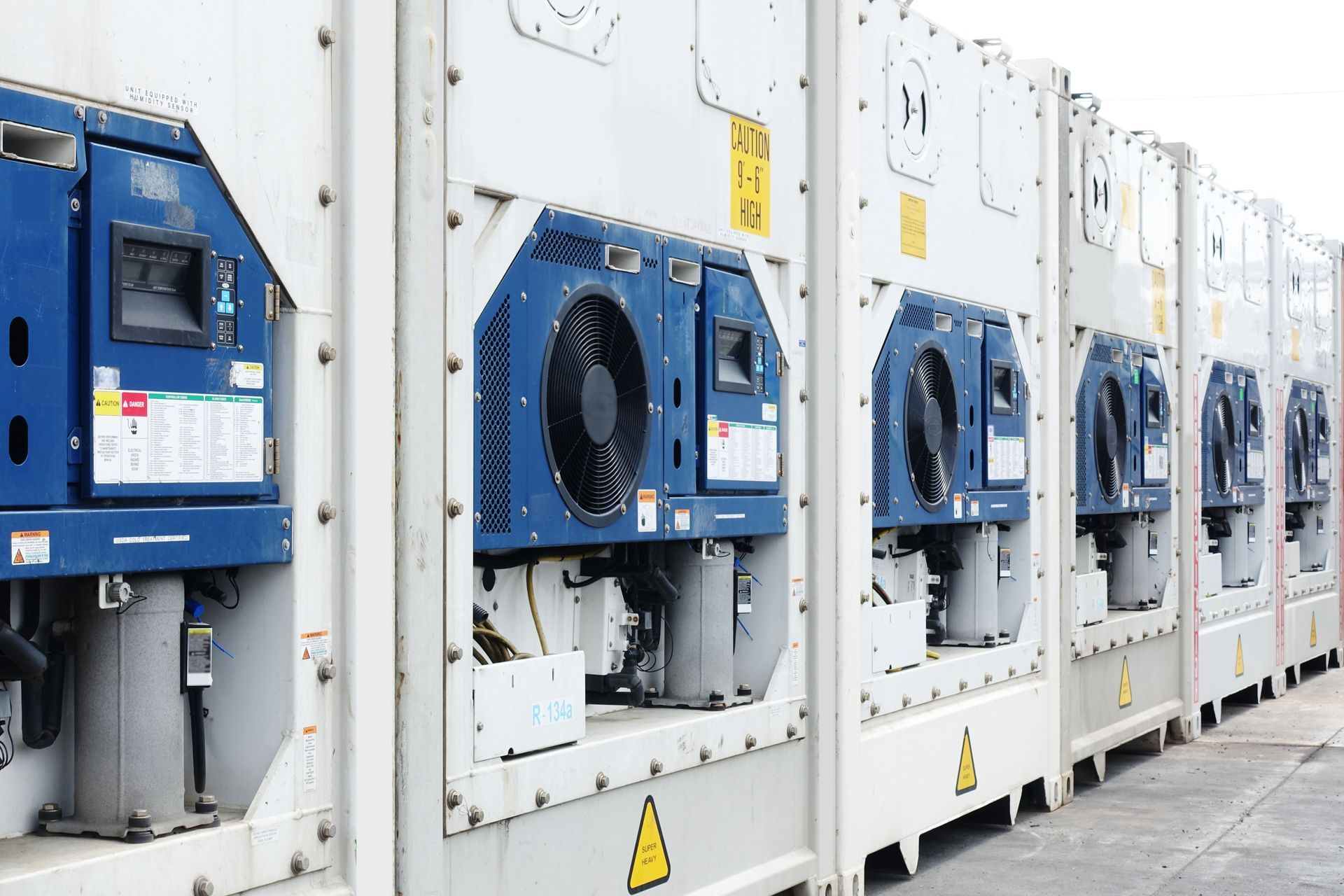
Many newer trailers include advanced temperature controls, digital displays, and monitoring systems that allow operators to check conditions during transit. Some units can send alerts when temperatures move outside the approved range, helping teams respond before cargo is compromised. This visibility gives businesses more confidence that products are being transported properly. For companies that must follow strict handling requirements, reefer trailer rentals can provide access to modern equipment that supports better oversight.
Supporting a Wide Range of Products
One reason refrigerated trailers are so valuable is their versatility. They can support fresh fruits and vegetables, frozen foods, beverages, dairy products, meat, seafood, bakery items, flowers, medical supplies, and other goods that depend on controlled environments. Each type of cargo has different needs, and the ability to adjust trailer settings makes it easier to protect product quality across multiple industries.
For example, fresh produce may need cool temperatures without freezing, while frozen food must remain below a specific threshold to stay safe and marketable. Flowers may require temperature control that preserves appearance and extends vase life. Pharmaceuticals may require even more precise handling to protect effectiveness. According to PLS Logistics, one variety of refrigerated hauler is called a Cryogenic Reefer, which is used to transport medical supplies and other goods that may require temperatures as low as -230 degrees Fahrenheit. Because different shipments may require different settings, reefer trailer rentals allow companies to choose equipment that matches the product, route, and delivery schedule.
Reducing Spoilage and Product Loss
Product loss can be expensive, especially when entire shipments are affected by improper temperature conditions. Spoiled food, damaged medication, wilted flowers, or compromised specialty goods can result in financial loss, delayed orders, customer complaints, and reputational harm. Refrigerated trailers help reduce these problems by providing a controlled environment that protects goods from avoidable deterioration.
Reducing spoilage also supports better sustainability. When fewer products are thrown away, businesses waste less labor, fuel, packaging, and raw material. This is especially important in food logistics, where waste can have both financial and environmental consequences. Companies that use reefer trailer rentals can improve efficiency by moving products safely while limiting unnecessary losses.
Improving Customer Satisfaction and Trust
Customers judge businesses by the condition of the products they receive. A restaurant expects ingredients to arrive fresh, a pharmacy expects medication to arrive safely, and a grocery store expects refrigerated items to be ready for display. When deliveries arrive in poor condition, customers may question the reliability of the supplier. Refrigerated transportation helps prevent these issues by preserving product quality from origin to destination.
Reliable cold transport also builds long-term trust. Businesses that consistently deliver fresh, safe, and usable products are more likely to retain customers and earn repeat orders. In competitive industries, this dependability can become a major advantage. Refrigerated trailers give companies access to the equipment needed to support dependable service during busy seasons, special events, emergency shipments, or temporary increases in demand.
Offering Flexibility Without Ownership Costs
Owning refrigerated trailers can be costly. Businesses must account for purchase prices, maintenance, repairs, storage, inspections, insurance, and eventual replacement. For companies that do not need refrigerated trailers every day, ownership may not be practical. Renting provides a flexible alternative because businesses can access equipment only when it is needed.
This flexibility is useful for seasonal growers, food distributors, event companies, temporary storage needs, and retailers preparing for peak demand. A business can rent additional refrigerated capacity during a holiday rush, harvest season, product launch, or unexpected supply chain disruption. Reefer trailer rentals help companies scale operations without committing to permanent fleet expansion.
Supporting Compliance and Safe Handling
Temperature-sensitive products are often subject to strict safety and handling standards. Food products must be transported in ways that reduce contamination and spoilage risks, while pharmaceutical products may require documented temperature control to preserve safety and effectiveness. Using appropriate refrigerated equipment helps companies meet these expectations and reduce the chance of compliance problems.
Clean trailers, proper loading procedures, temperature checks, and trained operators all contribute to safe handling. Businesses should also match trailer settings to product requirements before loading begins. When rental providers maintain their equipment well, customers benefit from reliable units that are ready for use. This makes reefer trailer rentals a practical option for organizations that need dependable cold transport but may not have the resources to manage specialized equipment themselves.
Using Monitoring Technology for Better Visibility
Technology has improved how refrigerated shipments are managed. Many modern trailers include systems that track temperature, location, fuel levels, door openings, and equipment performance. These features allow logistics teams to identify issues more quickly and make decisions based on real-time information. If a trailer experiences a problem, alerts can help dispatchers, drivers, or managers respond before product quality is affected.
Better visibility also improves communication with customers. Businesses can provide more accurate delivery updates and stronger proof that products were handled correctly. In industries where documentation matters, monitoring data may support internal quality control and customer reporting. Access to updated trailer technology is another reason companies choose rental options instead of relying on older owned equipment that may lack advanced features.
Choosing flexible rental options allows companies to control costs while still gaining access to dependable refrigerated equipment. Whether used for daily deliveries, seasonal surges, emergency needs, or specialized shipments, reefer trailer rentals strengthen the supply chain by protecting products from the moment they are loaded until they reach their destination. With careful planning, proper handling, and reliable equipment, businesses can deliver goods with confidence and maintain the high standards their customers expect. Contact our team at Jilco Equipment Leasing Co. Inc today to learn more.


Share On: