Reefer Trailers Explained: How Temperature-Controlled Freight Works
In the ever-evolving world of logistics and supply chain management, reefer transportation plays an indispensable role. The term "reefer" is derived from the word refrigerated, illustrating its primary function of transporting perishable goods. Reefer transportation companies are fundamental in ensuring that products such as food, pharmaceuticals, and chemicals arrive at their destinations in optimal condition. This specialized sector is defined by its ability to maintain precise temperature controls, making it a crucial player in modern commerce.
The importance of these companies cannot be overstated, given the increasing demand for fresh and safe products worldwide. With global trade expanding and consumers demanding quicker delivery times, reefer transportation companies have had to adapt rapidly. They use advanced technologies to track and monitor temperatures and ensure compliance with international standards. The innovation within this industry reflects an ongoing commitment to quality and customer satisfaction.
The intersection of technology and logistics is not a mere coincidence but a necessity. Reefer transportation's ability to preserve product integrity while traversing long distances underpins its significant role in global logistics. Companies operating within this space are tasked with balancing efficiency, cost, and environmental concerns amidst a complex web of regulations.
The Mechanics of Reefer Trucks
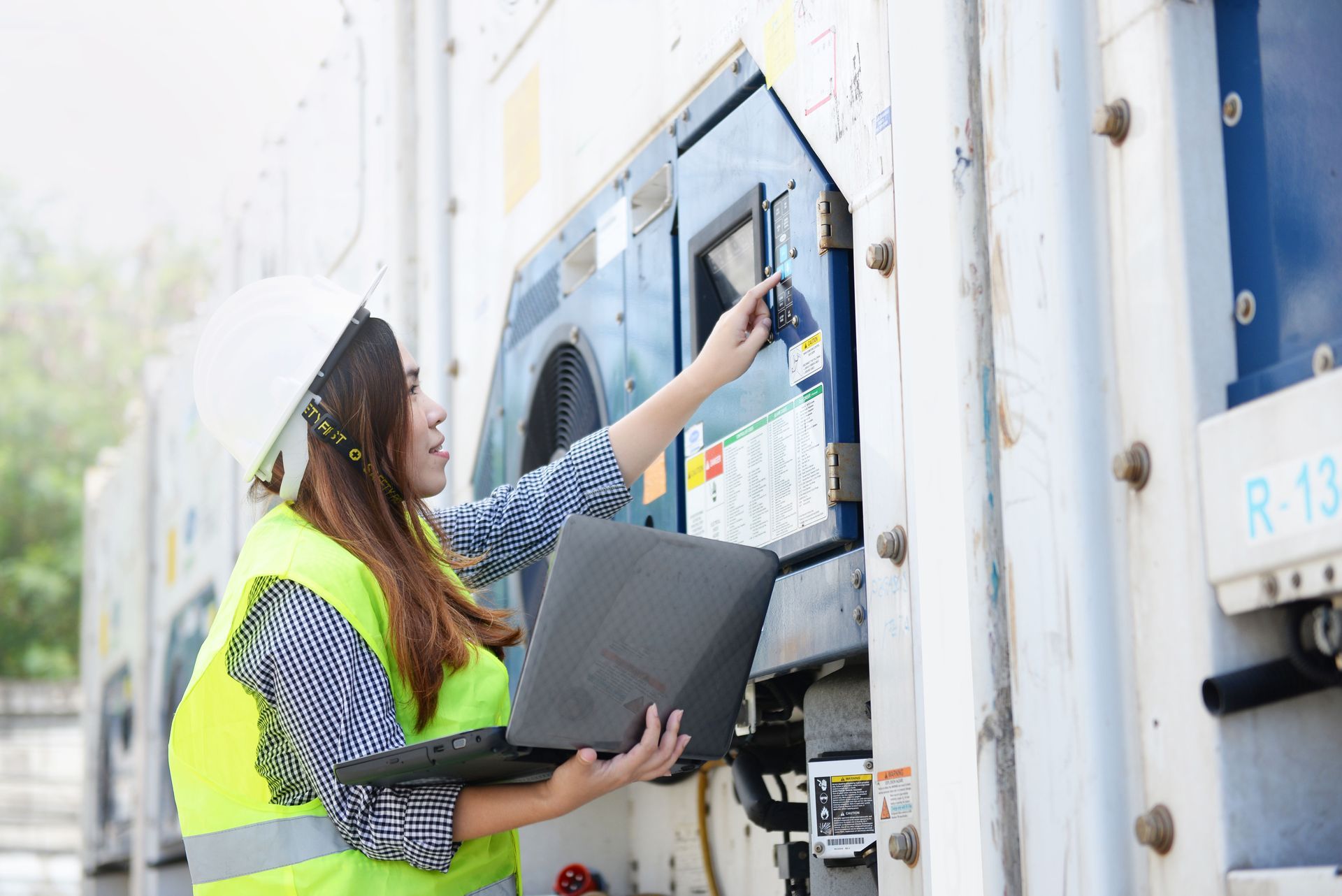
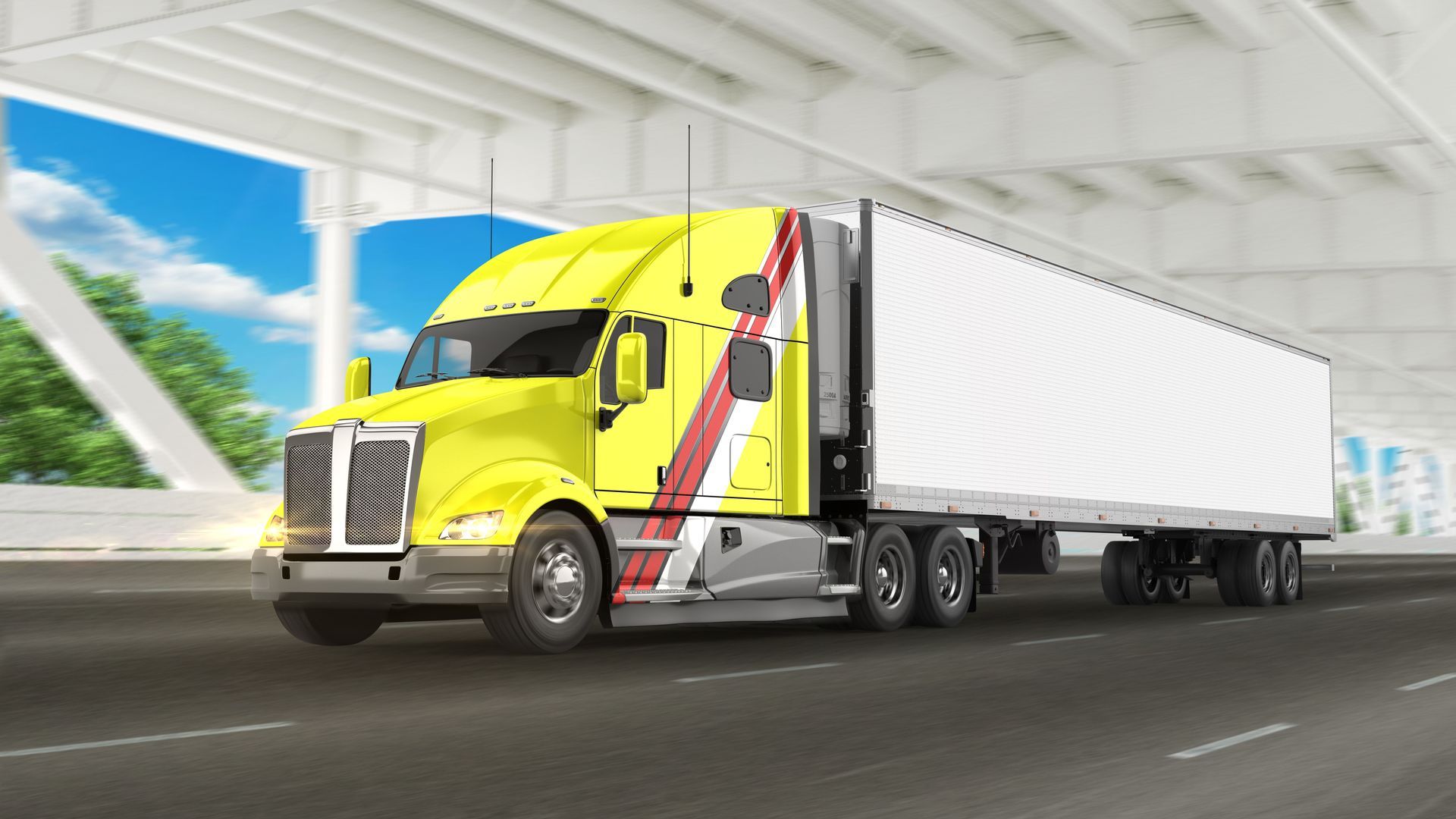
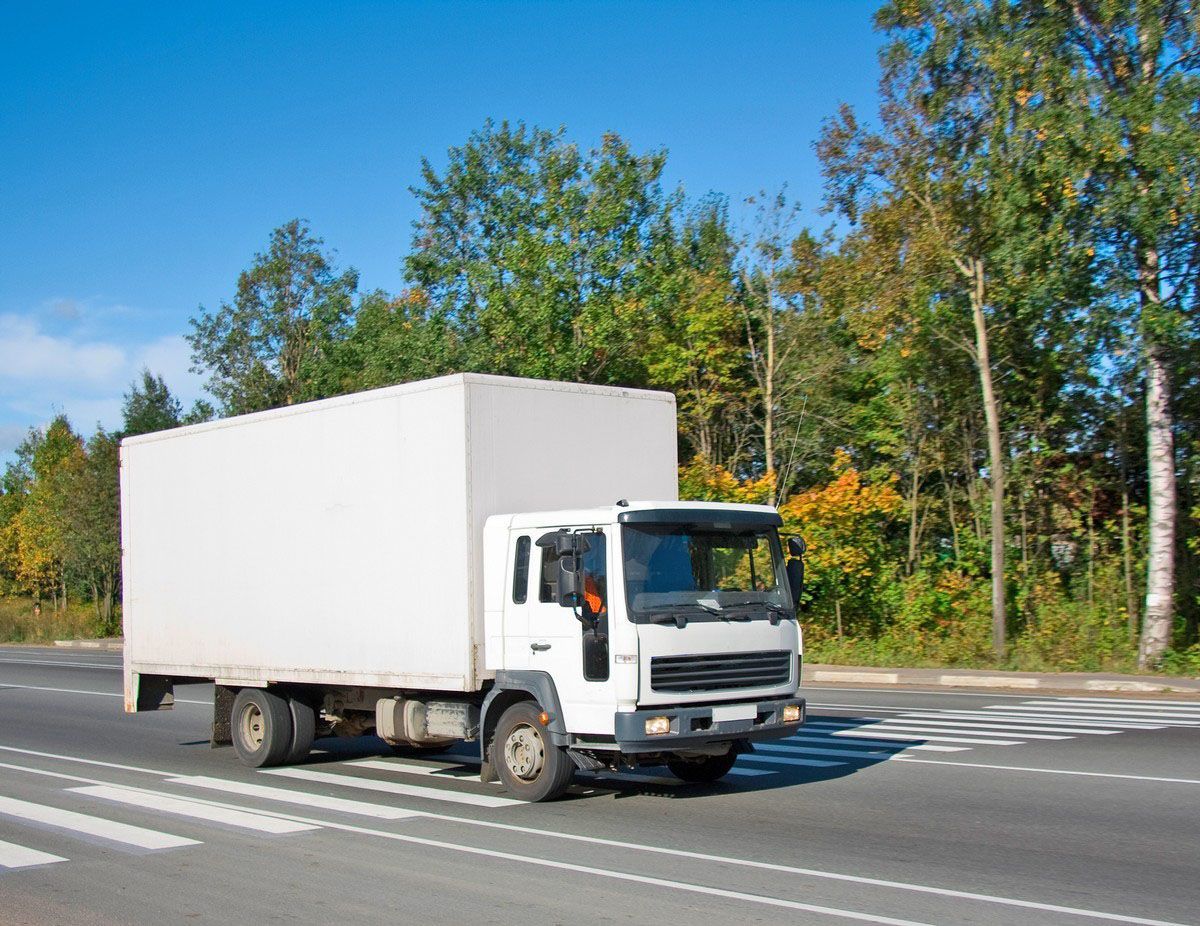
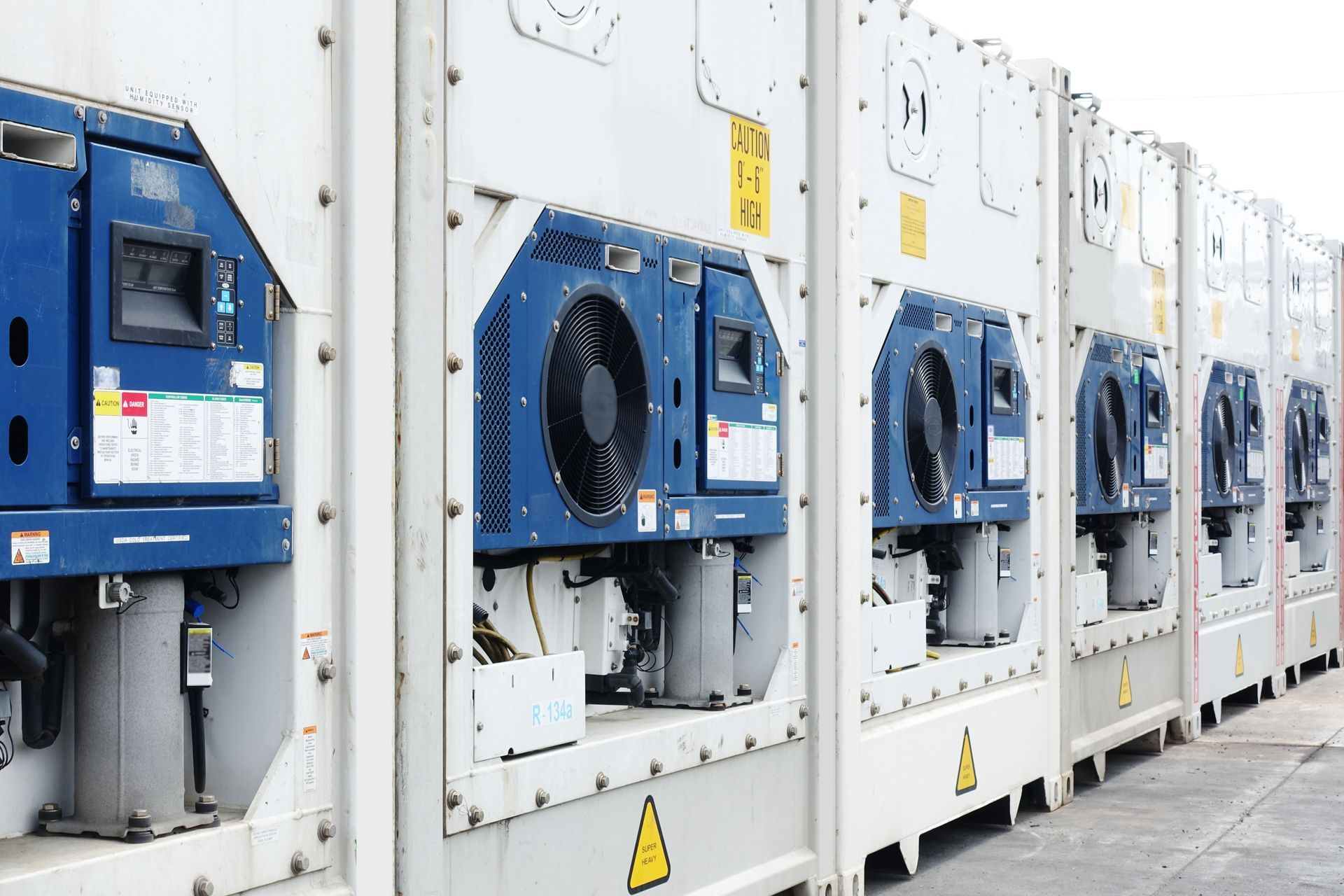
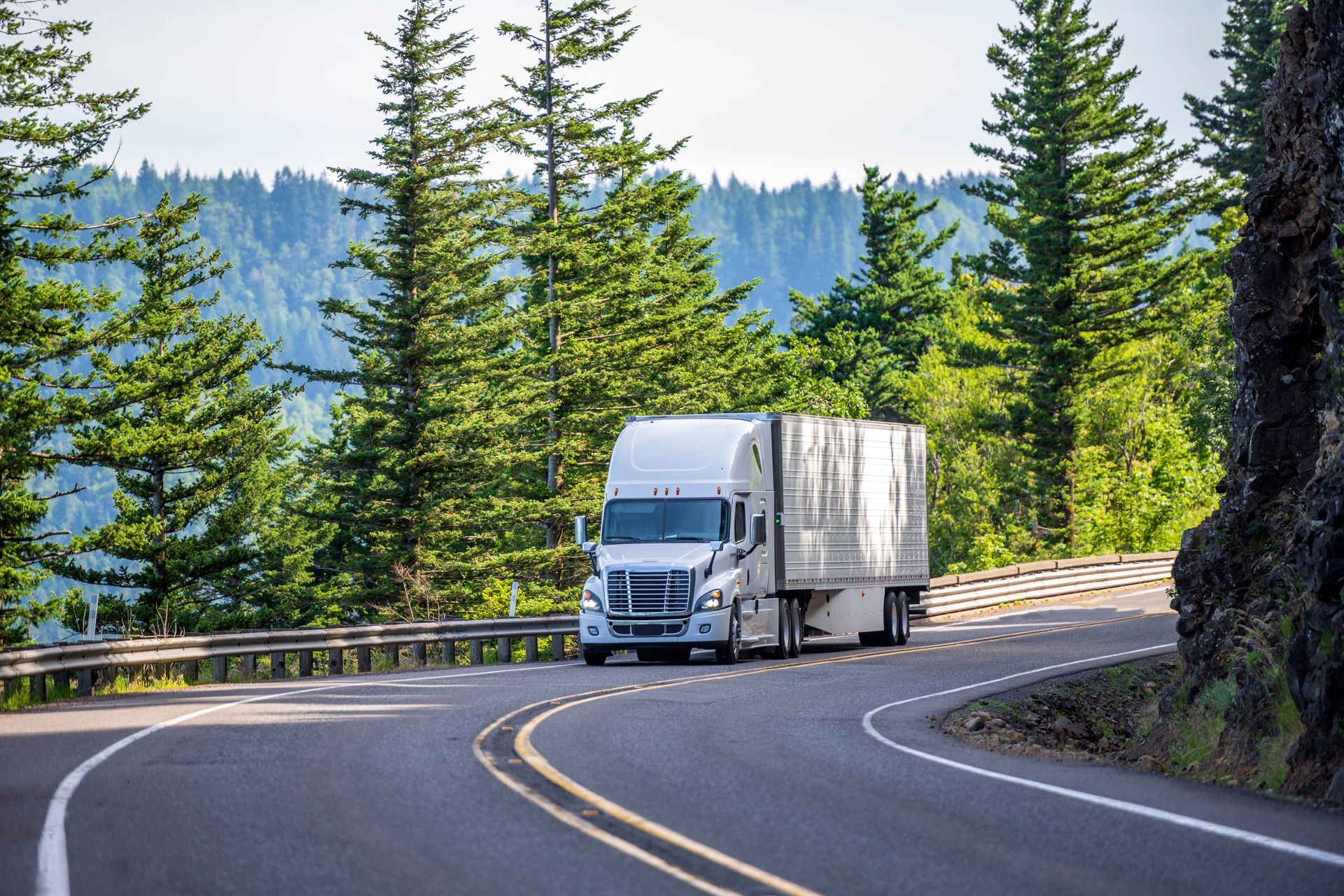
Reefer trucks are engineered marvels designed to transport goods at specific temperature levels, ensuring that each product retains its intended quality. These vehicles are equipped with refrigeration units that maintain the cargo area’s temperature, adjustable according to the cargo’s needs. The technology embedded in these units is sophisticated, often allowing remote monitoring to ensure conditions remain constant. This capability is critical for reefer transportation companies as they guarantee the integrity of perishable items like food and pharmaceuticals.
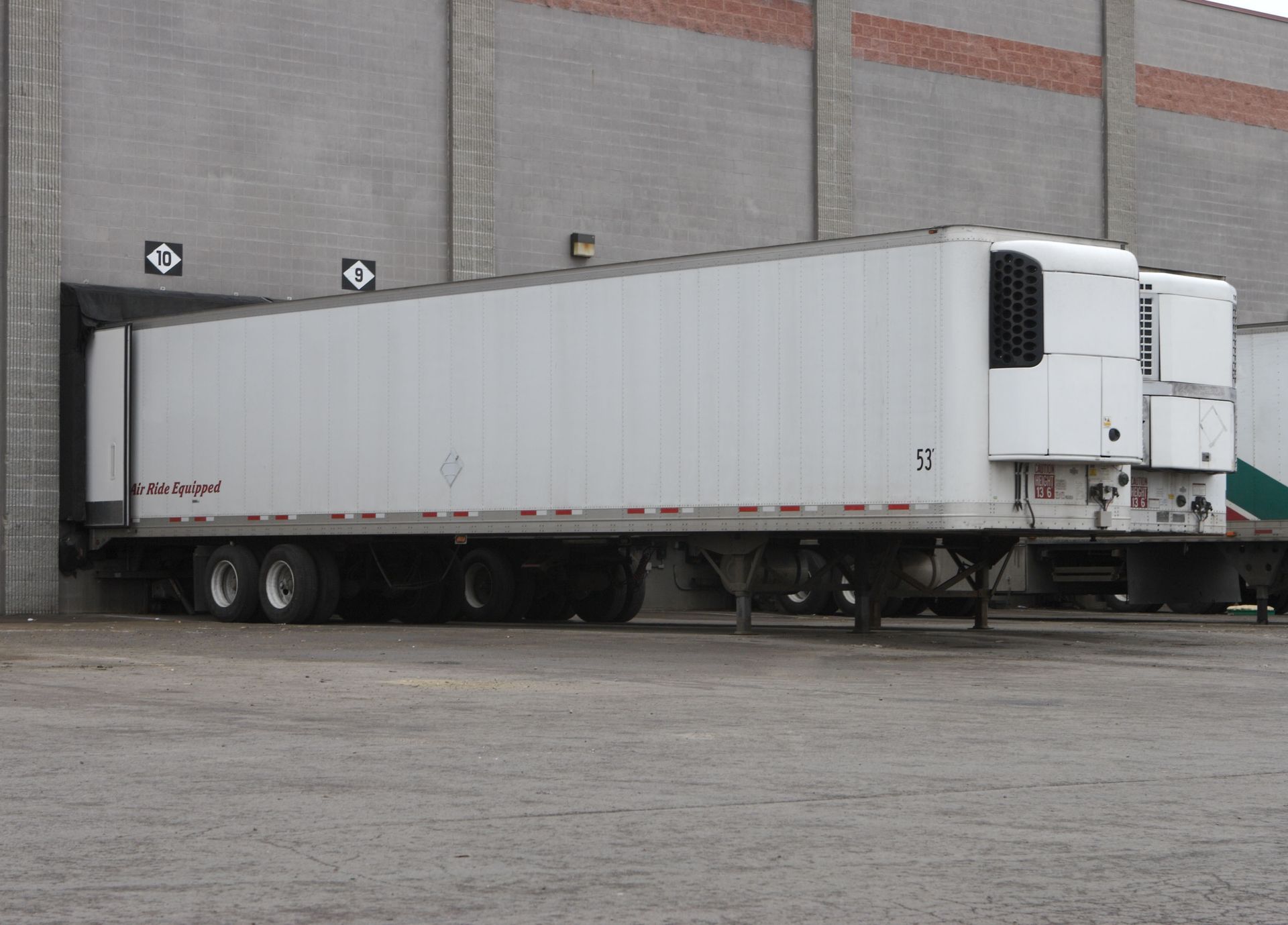
According to Coyote Logistics, reefer trucks have a more limited capacity compared to the average trailer, due to the weight of the refrigeration unit, meaning a standard 53' trailer can be loaded to a maximum of 43,500 lbs. This limitation requires strategic planning and optimization to maximize load efficiency while adhering to regulations. Companies must meticulously calculate cargo weight and distribution within the trailer to avoid compromising the structural integrity of the vehicle. Thus, the logistics involved are as much about science as they are about commerce.
The lifecycle of a reefer truck extends far beyond the mere driving of goods from one point to another. Regular maintenance is mandatory to ensure optimal functionality of refrigeration units and the overall vehicle. Service intervals are dictated by mileage and usage patterns, reflecting the industry's commitment to safety and reliability. For reefer transportation companies, their fleet’s operational efficiency is paramount, and investing in robust management systems is a necessity, not an option.
The Role of Technology and Innovation
In recent years, technological advancements have revolutionized the way reefer transportation companies operate. Innovations such as real-time tracking, automated temperature control, and predictive maintenance are now standard, allowing for unprecedented levels of service. This technology equips companies to respond swiftly to unforeseen challenges, which is essential in a sector where delays can mean significant losses. As the industry grows, the integration of IoT devices within these systems is becoming more pronounced, adding another layer of efficiency.
Data analytics play a pivotal role in the optimization of logistic routes and load planning, contributing to more sustainable operations. By analyzing historical data, companies can forecast demand patterns, reduce empty miles, and optimize fuel consumption. This proactive approach not only reduces costs but also minimizes the environmental impact of long-distance transportation. As a result, reefer transportation companies are at the forefront of adopting green logistics practices, a necessary evolution considering global sustainability goals.
Blockchain technology is another innovation gaining traction within the industry. By providing a secure and transparent ledger, blockchain enhances traceability, instilling greater confidence in the supply chain. Customers, too, are increasingly demanding transparency, as they prioritize ethical sourcing and environmental sustainability. Reefer transportation companies leveraging these technological advancements are better positioned to meet these evolving customer demands and, by extension, gain a competitive edge in the market.
Challenges in Reefer Transportation
While reefer transportation is indispensable, it is not without its challenges. High operational costs pose a significant burden, often exacerbated by fluctuating fuel prices and the cost of maintaining specialized equipment. Additionally, the industry faces stringent regulatory requirements related to temperature control and quality assurance, demanding comprehensive compliance protocols. For reefer transportation companies, navigating these challenges requires a delicate balance of strategic investments and operational efficiency.
Environmental concerns are at the forefront of challenges for the reefer transportation sector. The emissions from diesel-powered refrigeration units contribute to a significant portion of carbon footprints. Transitioning to greener technologies, such as solar-powered refrigeration units, is essential but requires substantial upfront investment. Companies are actively seeking government incentives and subsidies to offset these costs and progress toward more sustainable operations.
Logistics and supply chain disruptions are commonplace in today’s interconnected world. Reefer transportation companies must be adept at crisis management and contingency planning, given potential disruptions from weather events to geopolitical tensions. The ability to maintain service continuity is crucial, and companies are investing in more resilient supply chain strategies to mitigate risks. These efforts reflect an understanding that while challenges are inevitable, proactive management can significantly lessen their impact.
The Importance of Regulatory Compliance and Food Safety
Regulatory compliance is a cornerstone of successful reefer transportation operations. Because refrigerated cargo often includes food products, pharmaceuticals, and other temperature-sensitive goods, companies must adhere to strict local, national, and international regulations. These standards are designed to protect public health, ensure product quality, and maintain the integrity of the supply chain from origin to destination.
Food safety regulations, in particular, have become increasingly stringent as consumers and governments place greater emphasis on transparency and quality assurance. Reefer transportation companies must carefully monitor temperatures throughout transit and maintain detailed records to demonstrate compliance with industry standards. Advanced monitoring systems help operators document temperature conditions in real time, providing valuable data that can be used during inspections or audits. This level of oversight helps reduce spoilage, minimize waste, and ensure products reach consumers in safe condition.
In addition to food safety, pharmaceutical transportation presents its own set of regulatory challenges. Many medications, vaccines, and medical supplies must remain within precise temperature ranges to maintain their effectiveness. Even minor fluctuations can compromise product quality and create serious health risks. As a result, reefer transportation companies invest heavily in employee training, quality control procedures, and specialized equipment to meet these demanding requirements. By prioritizing compliance and safety, these companies strengthen customer trust while supporting the reliable movement of critical goods across the globe.
The Future of Reefer Transportation
Looking ahead, the future of reefer transportation is promising, underpinned by continued technological advancements and heightened awareness of sustainable practices. As consumer preferences evolve towards fresh and organic products, the demand for fast and reliable reefer transportation services will only grow. Additionally, the globalization of markets is opening new avenues for trade, thereby expanding the reach and scope of these companies. Such trends emphasize the increasing indispensability of reefer transportation companies in the global supply chain.
The shift towards automation and artificial intelligence presents exciting opportunities for enhanced operational efficiency in reefer logistics. Automated systems can streamline processes, reduce human error, and increase load optimization, marking a significant leap forward for the industry. These technologies also complement remote sensing and monitoring capabilities, further strengthening the integrity of temperature-sensitive supply chains.
Sustainability will continue to shape the industry’s trajectory, with an emphasis on reducing carbon emissions and advancing eco-friendly logistics solutions. Consumers and corporations alike are placing greater value on environmental stewardship, urging reefer companies to adapt accordingly. The development of hybrid and electric trucks, alongside smarter route planning and fuel-efficient technologies, indicates a proactive response to these demands. Reefer transportation companies that align with these values are likely to outperform peers, solidifying their position in a rapidly evolving landscape.
Reefer transportation companies serve as a vital link in the global supply chain, ensuring that temperature-sensitive products reach their destinations safely, efficiently, and in optimal condition. As demand for fresh products and reliable cold chain logistics continues to increase, these companies will remain essential to global commerce, driving the safe and efficient movement of goods well into the future. To learn more about innovations in reefer trucks and rent one for your own, reach out to Jilco Equipment Leasing Co Inc today.


Share On: