Why Reefer Transportation Companies Continue to Expand
As consumer demand and global commerce evolve, reefer transportation companies are increasingly expanding to meet new challenges and opportunities. The incorporation of advanced technologies and alignment with regulatory standards also pushes these companies toward growth. It is crucial to understand this expansion as it impacts global markets and consumer accessibility to perishable goods.
1. Growing Demand for Perishable Goods
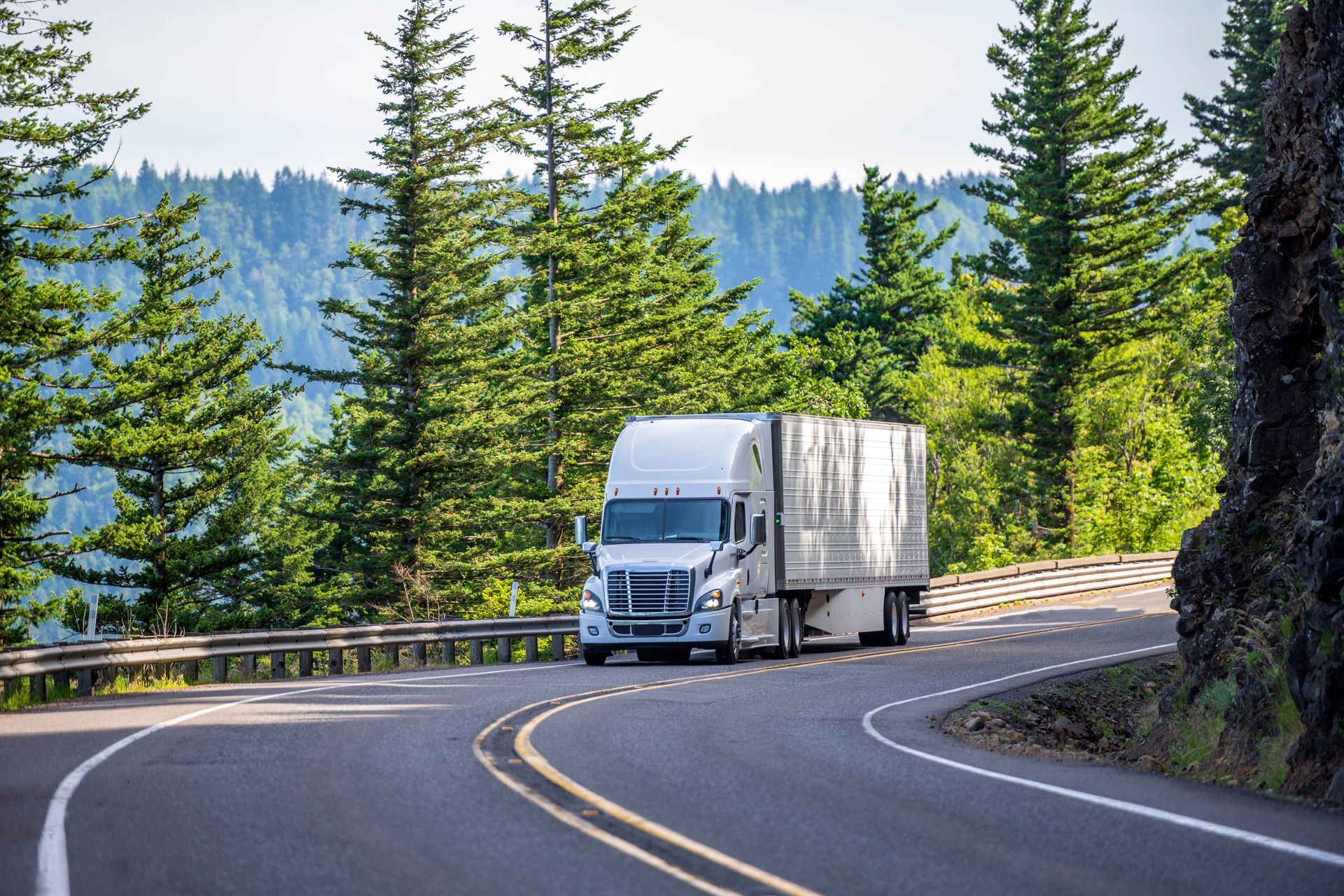
The demand for perishable goods is driven by an increasing global population, which currently surpasses 7.8 billion people. With more mouths to feed, the necessity for efficient and widespread distribution of fresh produce, meats, dairy, and other perishables has increased. Urbanization continues to play a vital role in this demand surge, as more people relocate to urban centers with readily available amenities. Urban settings often lack local food production, turning residents to depend on the supply chain to fill their grocery stores and markets. Hence, reefer transportation companies are critical in bringing these goods from production sites to consumer-rich urban areas.
Changing dietary trends also contribute to the growing need for refrigerated transportation. Global shifts toward healthier lifestyles boost the consumption of fresh products and specialty foods, which require reliable cooling solutions. Reefer companies adapt to these dietary inclinations by servicing clients who offer organic and plant-based products that demand temperature control. The e-commerce boom also significantly impacts this demand, as home delivery services promise fresh, quality goods delivered right to consumer doorsteps. Consequently, reefer transportation companies must expand their capabilities to ensure prompt and safe deliveries.
Seasonal and specialty foods add another layer to this increasing demand. As consumers seek out exotic or seasonal products not found locally, the need for reliable refrigerated transportation grows. Companies specializing in niche markets such as gourmet and ethnic foods rely on reefer logistics to maintain product integrity. Whether it’s transporting Mexican avocados or Norwegian salmon, reefer transport ensures these goods reach destinations without spoilage. According to Fortune Business Insights, this rising demand is evidenced by the projected growth of the global refrigerated trailer market. It was valued at $8.50 billion in 2025 and is expected to reach $12.78 billion by 2034, growing at a 4.6% CAGR, underscoring the increasing significance of refrigerated freight.
2. Advancements in Reefer Technology
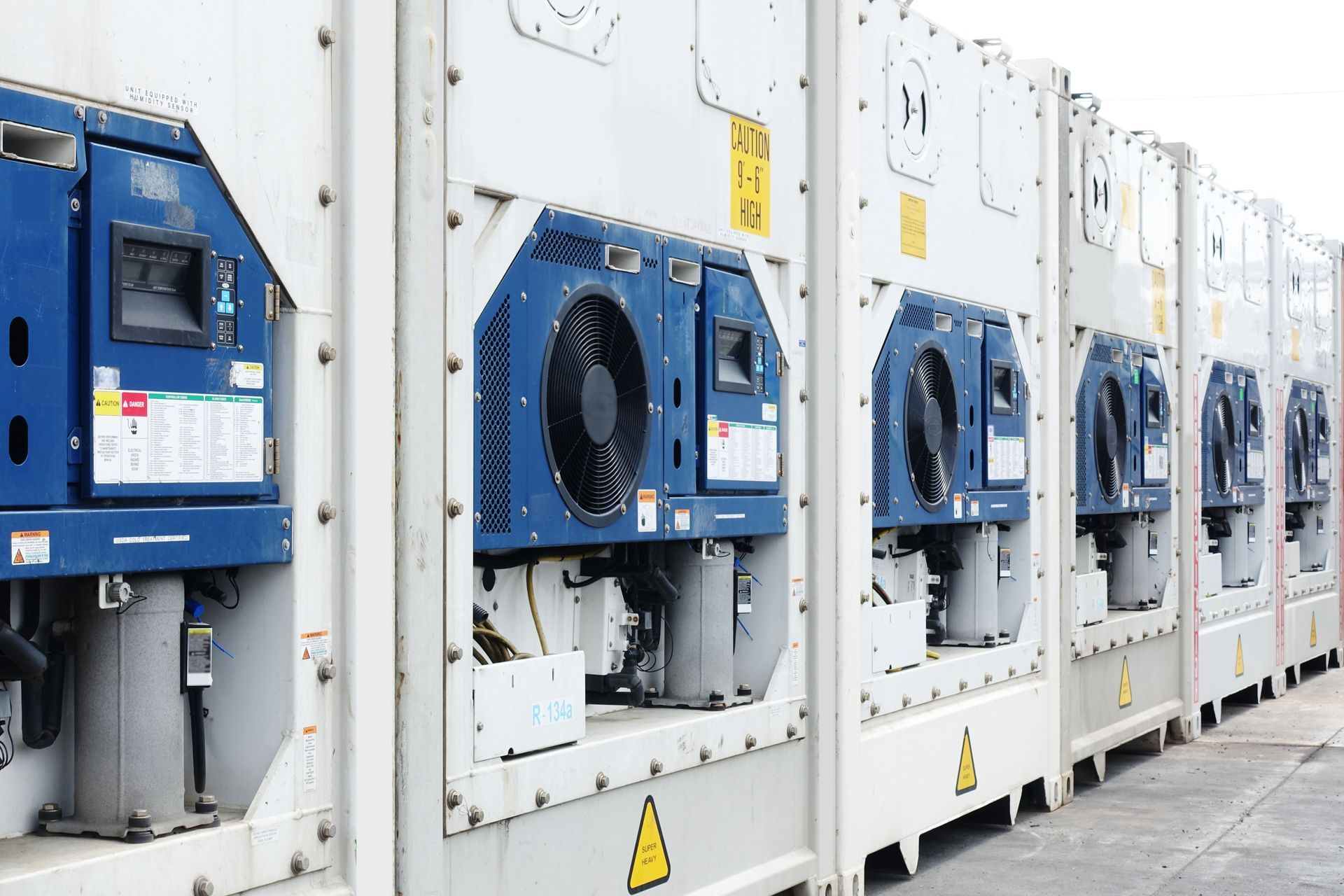
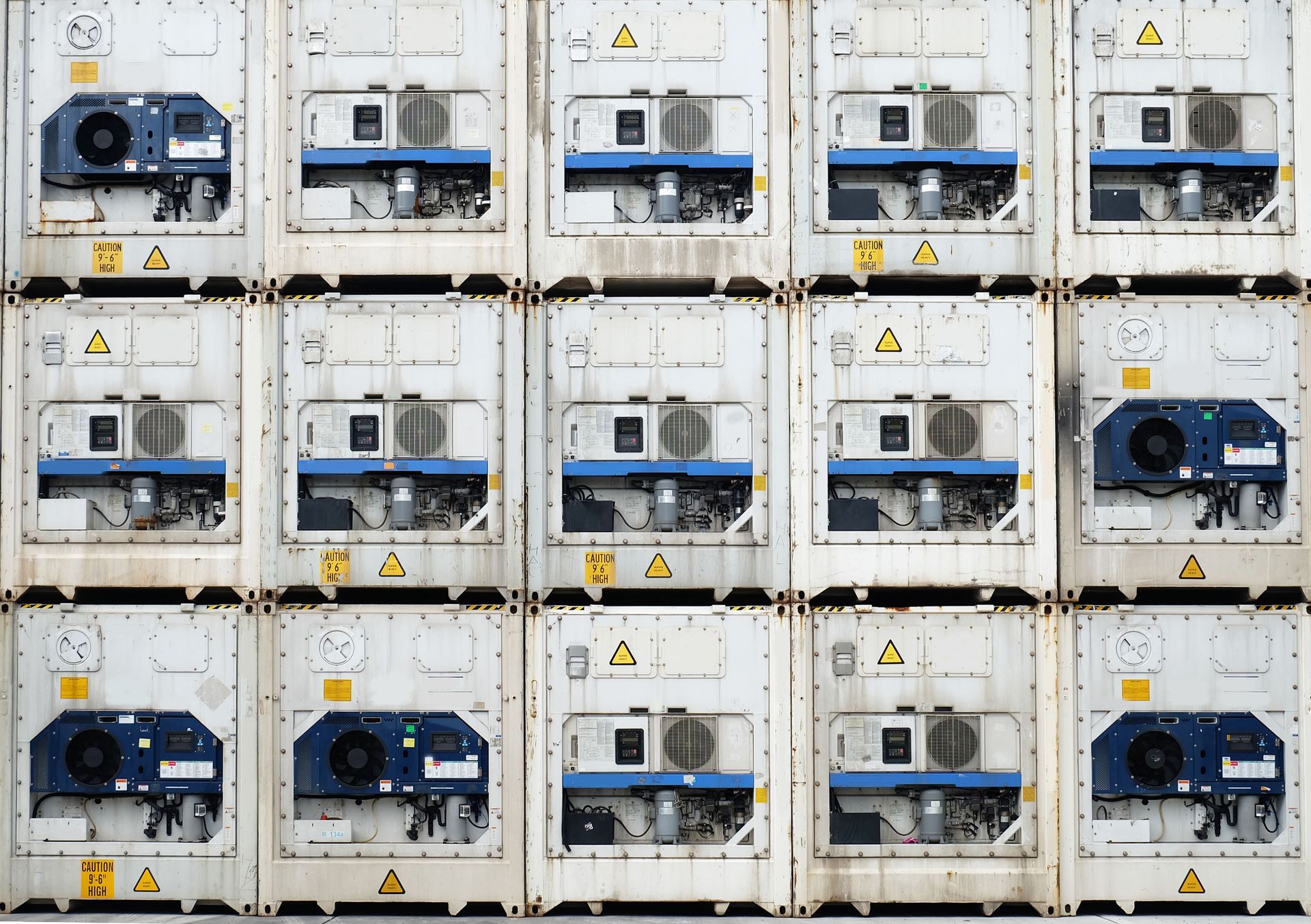
Recent advancements in refrigeration technology significantly contribute to the expansion of reefer transportation companies. Improved refrigeration systems have enabled more efficient cooling mechanisms, reducing energy consumption and increasing cargo capacity. Modern reefer units are equipped with better insulation materials that minimize temperature fluctuations during transit. These advancements guarantee the preservation of product quality while reducing operational costs for transportation companies. As technology progresses, reefer transport solutions evolve, becoming more reliable and accessible for businesses of all sizes.
Temperature monitoring and control have also seen remarkable innovations. Today, sophisticated sensors and real-time tracking systems enable carriers to maintain precise temperature levels throughout the journey. This ability to monitor temperature continuously throughout the supply chain ensures compliance with stringent food safety regulations and minimizes spoilage risks. Additionally, remote access to these systems provides operators with the capability to address issues promptly, ensuring the integrity of perishable shipments. As companies invest in these technologies, they enhance their service offerings and solidify their position in the market.
Energy efficiency innovations also play a significant role in tech advancements within the industry. Newer refrigeration units are designed to consume less fuel, lowering both environmental impact and operational costs. Enhanced vehicle designs contribute to this efficiency, offering improved aerodynamics and cutting-edge insulation. Integration with IoT (Internet of Things) further optimizes performance through predictive maintenance and smarter routing decisions. Together, these technological advances cultivate a more sustainable, efficient reefer transportation sector capable of meeting modern demands.
3. Globalization and Extended Trade Routes
The expansion of export markets has greatly contributed to the growth of reefer transportation companies. As globalization opens more trade avenues, markets previously deemed inaccessible are now reachable, thanks to improved transportation logistics. Exotic fruits from South America or wineries in Australia can now effortlessly reach the markets in Europe and North America with the right refrigeration infrastructure in place. This ability to ship perishable goods internationally without compromising quality has nurtured an interconnected global market. Companies are expanding operations to cater to these newfound opportunities, ensuring perishables reach consumers worldwide.
A reduction of trade barriers has further accelerated this globalization. Several international trade agreements have been implemented, easing the movement of goods across borders and expediting shipping times. By reducing tariffs and regulatory constraints, countries facilitate smoother transactions and open up new commerce possibilities for reefer transport firms. With fewer hurdles to navigate, reefer companies can optimize their routes and expand into new territories. This legislative support fuels their growth and contributes to the faster turnaround of goods in global supply chains.
The growth of multinational corporations demands extended trade routes and robust logistics solutions. Multinationals have increasingly outsourced product sourcing and distribution across different countries to optimize production costs and market reach. As these corporations grow, they require more sophisticated logistics partners that can handle vast shipping networks with precision. Reefer transportation companies expand their fleets and networks to accommodate the rise in multinational demand. By doing so, they become pivotal partners in international supply chains, cementing their role in global commerce expansion.
4. Regulatory Changes and Compliance Standards
In recent years, regulatory changes have driven significant growth and transformation within the reefer transportation industry. The Food Safety Modernization Act (FSMA) implemented heightened safety standards that emphasize the sanitary transportation of food. Companies in the reefer sector are required to meet stringent compliance measures, prompting investments in better equipment and enhanced monitoring systems. These regulations ensure the preservation of food quality throughout transit, protecting consumer health and elevating industry standards. As companies align with these regulatory changes, they position themselves as compliant and dependable partners in the supply chain.
The introduction of stricter emission standards has also propelled changes within the industry. Governments worldwide are acting to reduce the carbon footprint of transport sectors by enforcing limits on greenhouse gas emissions. In response, the reefer industry invests in low-emission technologies and alternative-fuel vehicles to meet these evolving standards. This shift not only cuts costs through improved fuel efficiency but also aligns companies with sustainable practices, appealing to environmentally conscious clients. Ultimately, these regulations drive innovation and investment in green technologies within the reefer transport sector.
Enhanced record-keeping requirements necessitate accurate and transparent logistics practices. Companies must document every aspect of their operations to demonstrate compliance with international regulations. Advanced digital solutions facilitate this record-keeping by providing detailed logs, real-time data, and documentation sharing capabilities. The push for harmonization of international regulations demands that reefer transport companies adopt uniform practices across borders. These regulatory challenges facilitate a streamlined, compliant, and innovative company expansion as they navigate the complexities of global markets.
The continued success of reefer transportation companies depends on their ability to balance efficiency, safety, and adaptability. The expansion of reefer transportation companies reflects a combination of factors including growing demand, technological advancements, and strategic business decisions. As these companies continue to expand, they play a crucial role in supporting global food security and the distribution of perishable goods. Future growth will likely be influenced by technological innovations and the ability to adapt to changing regulatory and economic landscapes. By embracing these dynamics, reefer companies can offer effective solutions to enduring challenges in the global market. This booming sector will significantly impact global commerce, featuring prominently in the modernized logistics landscape. Call Jilco Equipment Leasing Co Inc today for more information.



Share On: