The Ultimate Buyer's Guide to Refrigerated Trailer Sales for Small Businesses
Starting or expanding a small business that relies on temperature-sensitive goods is an exciting milestone. Whether you run a local catering company, a boutique flower shop, a craft brewery, or a farm-to-table delivery service, keeping your products fresh during transport is everything. When your business outgrows standard coolers or simple ice packs, it is time to look into long-term cooling solutions. Jumping into the market for a mobile cooling unit can feel overwhelming at first, but making this investment is a major step toward taking control of your daily logistics. Choosing the right mobile unit transforms how you store and move inventory, turning what used to be a stressful race against the clock into a smooth, reliable routine.
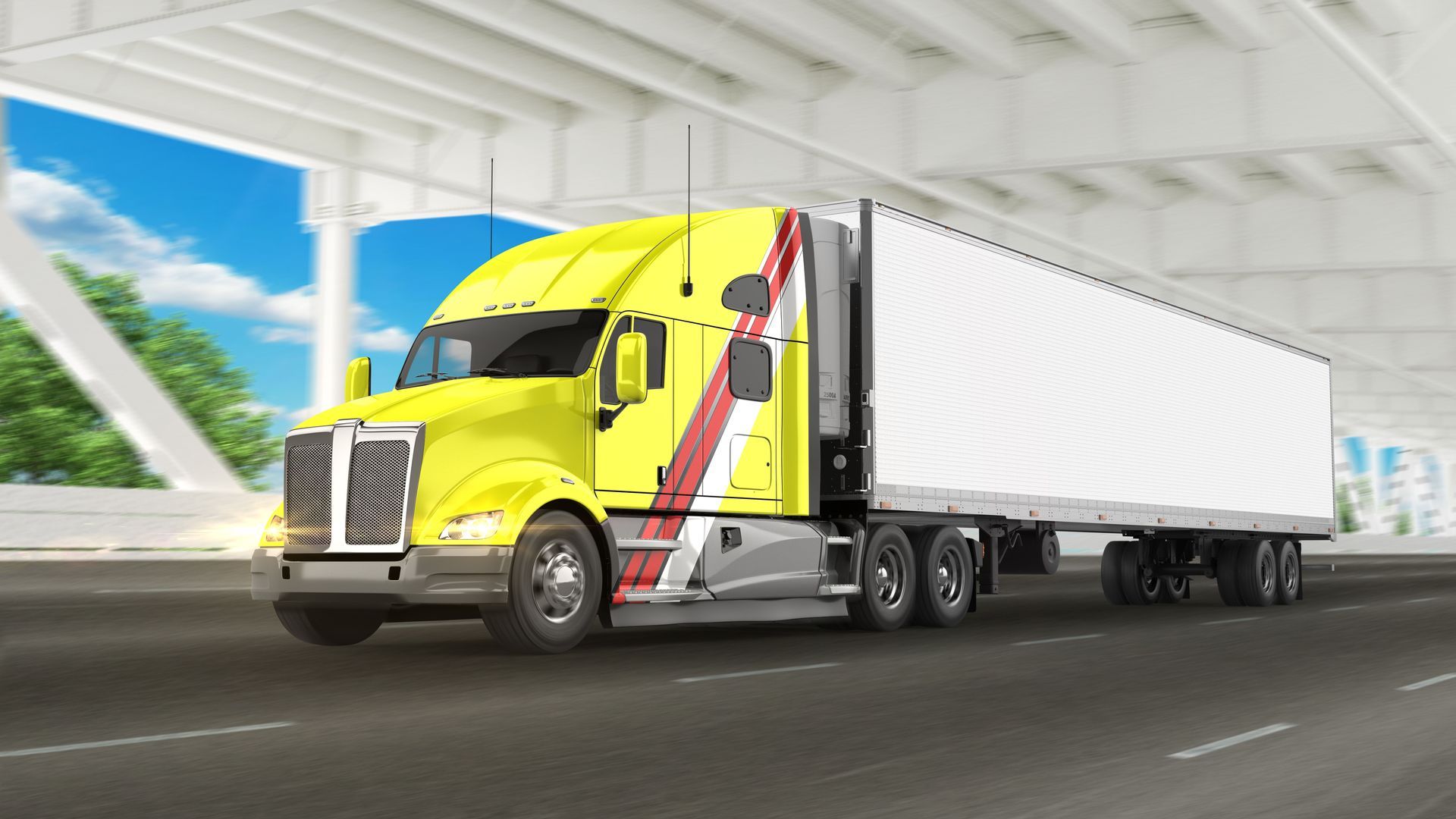
As small businesses continue to expand their delivery footprints, the demand for dependable cold transport is growing rapidly across the country. According to CDL Jobs, the refrigerated trucking industry in the U.S. and Canada is projected to reach $12 billion in 2025. This massive growth shows just how vital temperature-controlled shipping has become to the modern economy. For a small business owner, tapping into this market by checking out refrigerator trailer sales is a smart way to scale your operations without relying on expensive third-party delivery services. Finding the right trailer size ensures you can safely haul fresh cargo, minimize product spoilage, and build a strong foundation for your business to thrive.
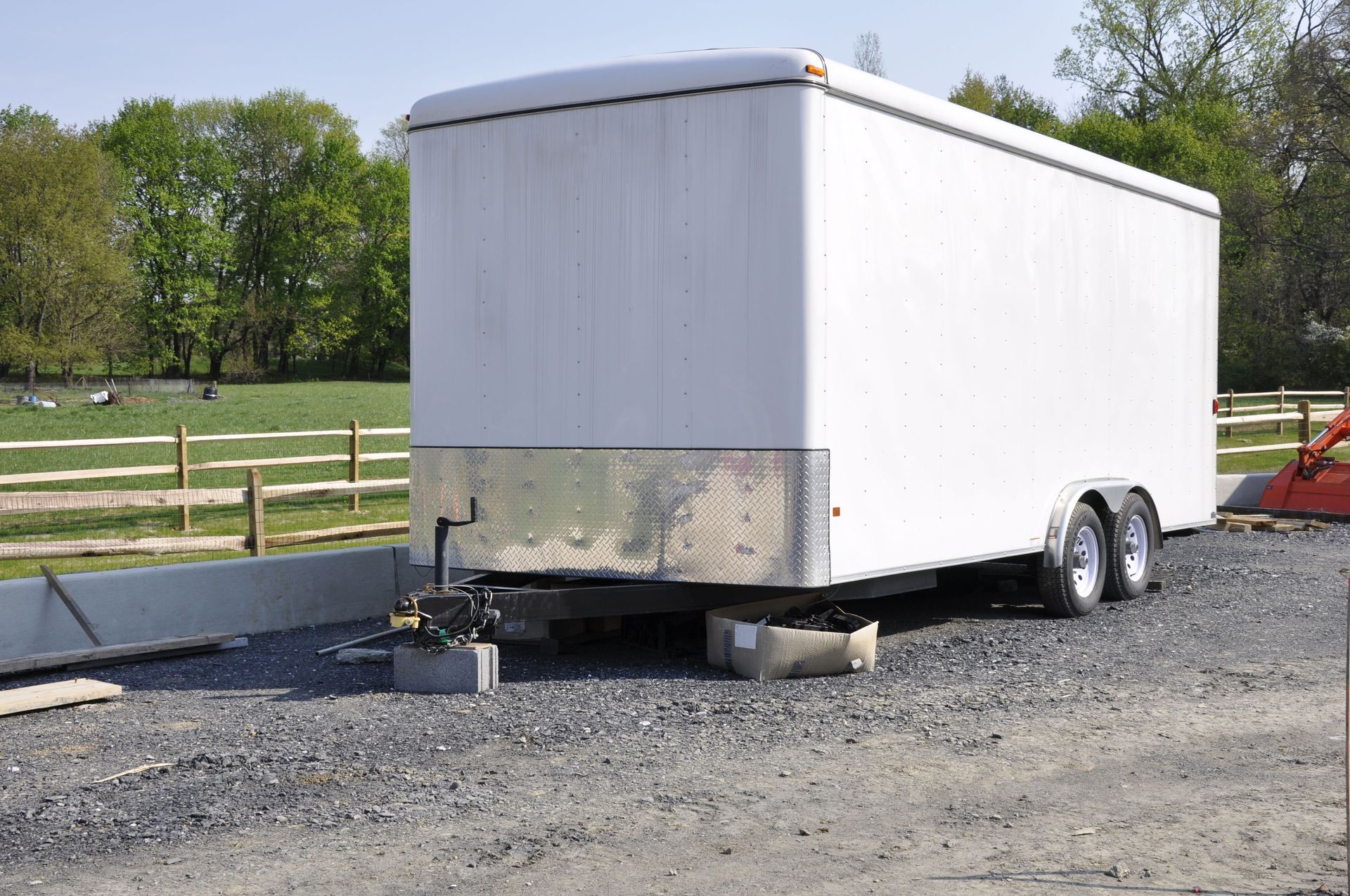
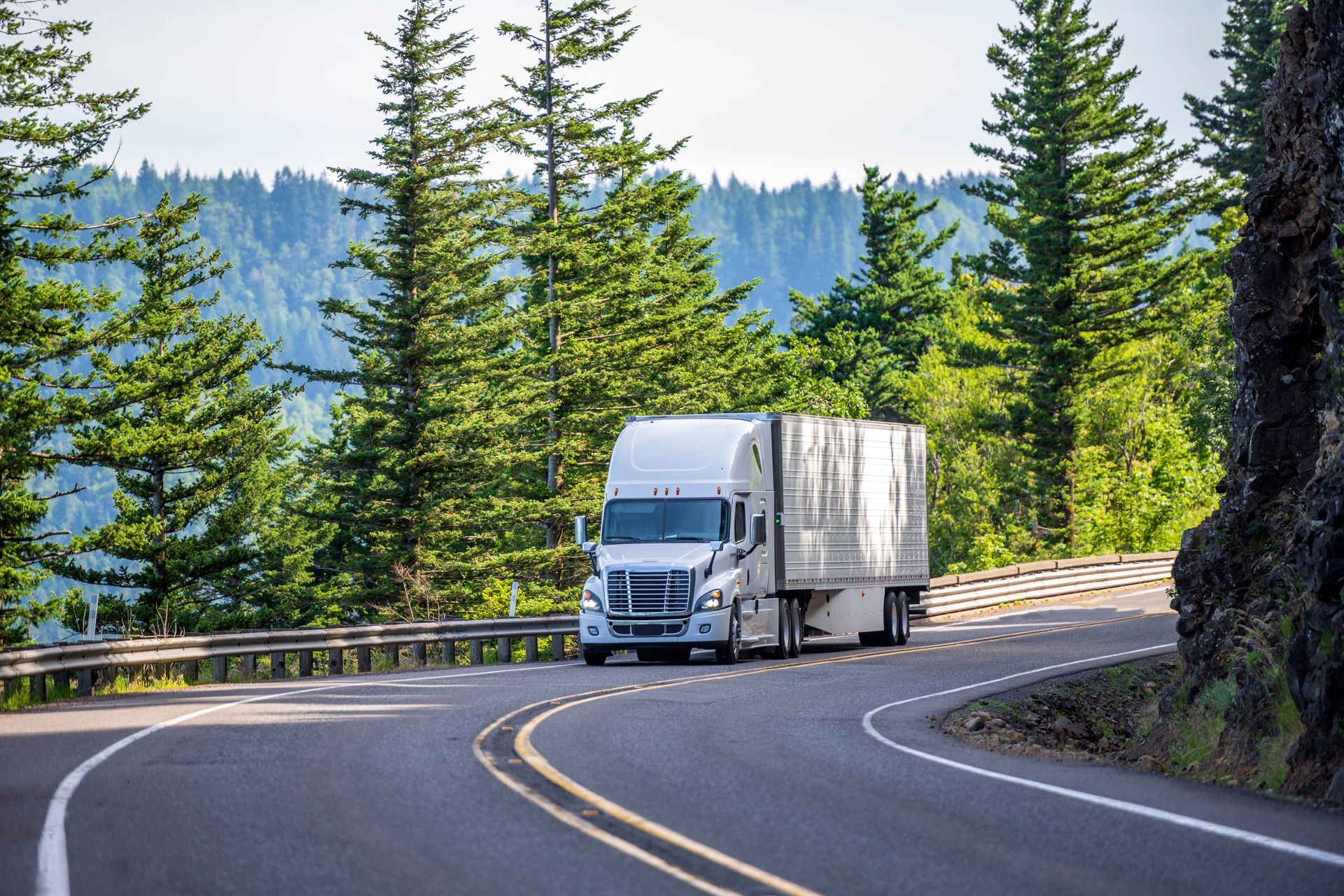
Before you browse local inventory, you need to determine the exact volume of goods you plan to carry each week. Refrigerated trailers come in a wide range of styles, from compact pull-behind bumper trailers that hook up to everyday pickup trucks to massive, heavy-duty commercial vans meant for highway semi-trucks. Small businesses usually find their sweet spot with small or medium bumper-pull utility trailers, which are easy to park in standard driveways and do not require a special driver's license to operate. Taking the time to measure your typical pallet counts or delivery crates helps you pick a trailer size that leaves room for your business to grow without paying for empty, wasted space.
Checking Insulation Quality and Temperature Flexibility
The core feature of any cold trailer is its ability to maintain a steady, reliable temperature inside the cargo box, even when the summer sun beats down on the exterior. When shopping for a trailer, you need to pay close attention to the thickness and quality of the wall insulation. High-quality trailers feature seamless fiberglass or aluminum walls filled with thick poly-foam insulation, which acts like a giant thermos to lock cold air inside. If a trailer has poor insulation or hidden wall gaps, the cooling motor will have to work twice as hard to maintain your settings, draining your fuel tank and wearing out the equipment early.
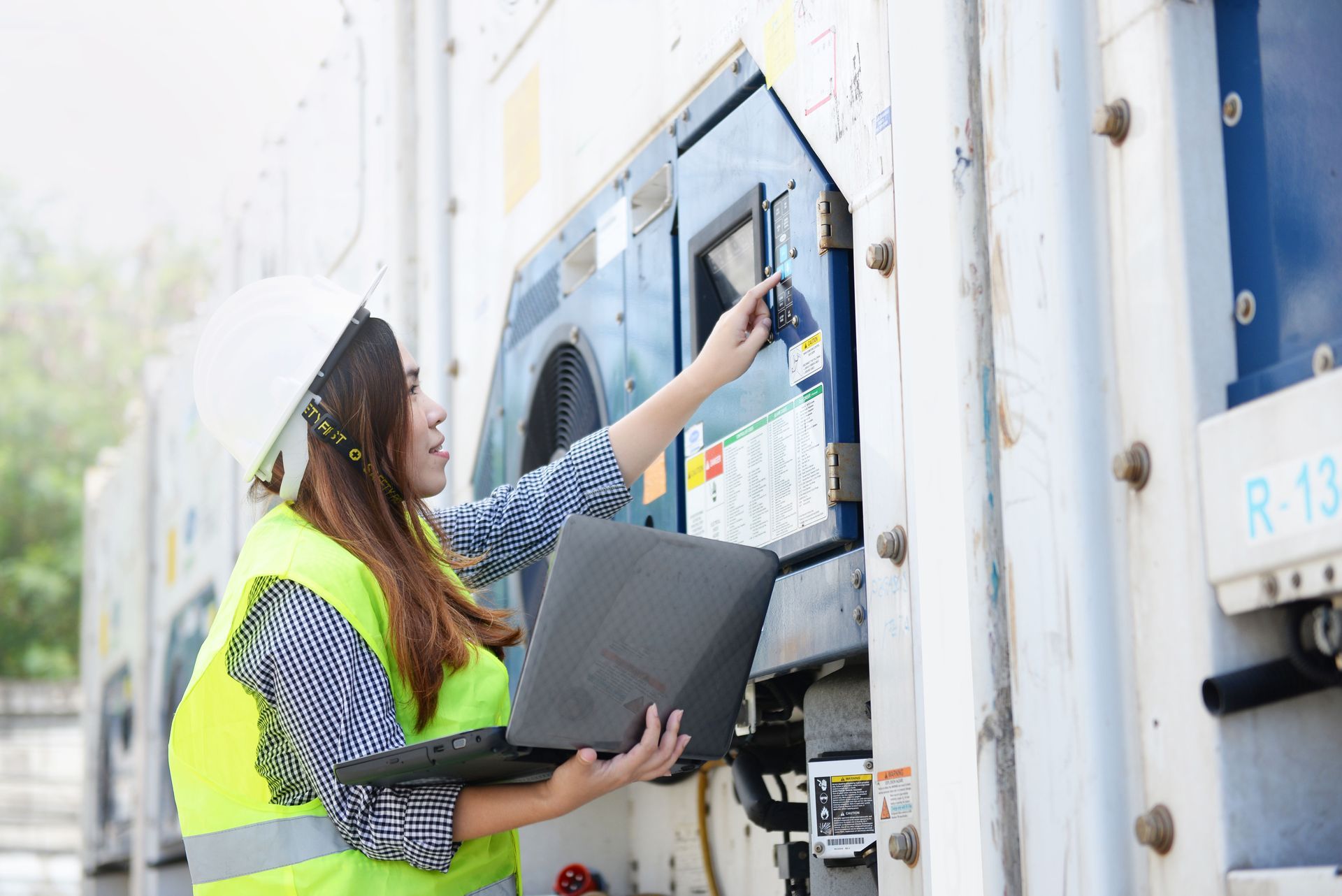
You also want to consider the exact temperature range your specific products need to stay safe and fresh. Some businesses only need basic chilling capabilities to keep floral arrangements or fresh dairy products around 40 degrees Fahrenheit. Other businesses, like ice cream companies or seafood suppliers, require heavy-duty freezing systems that can plunge well below zero. Looking for units that offer simple, digital temperature controls allows you to switch your settings easily between chilled and frozen modes depending on your weekly inventory. Buying a trailer with flexible temperature zones gives your small business the versatility to handle any type of cargo down the road.
Evaluating Power Systems and Stationary Use Capability
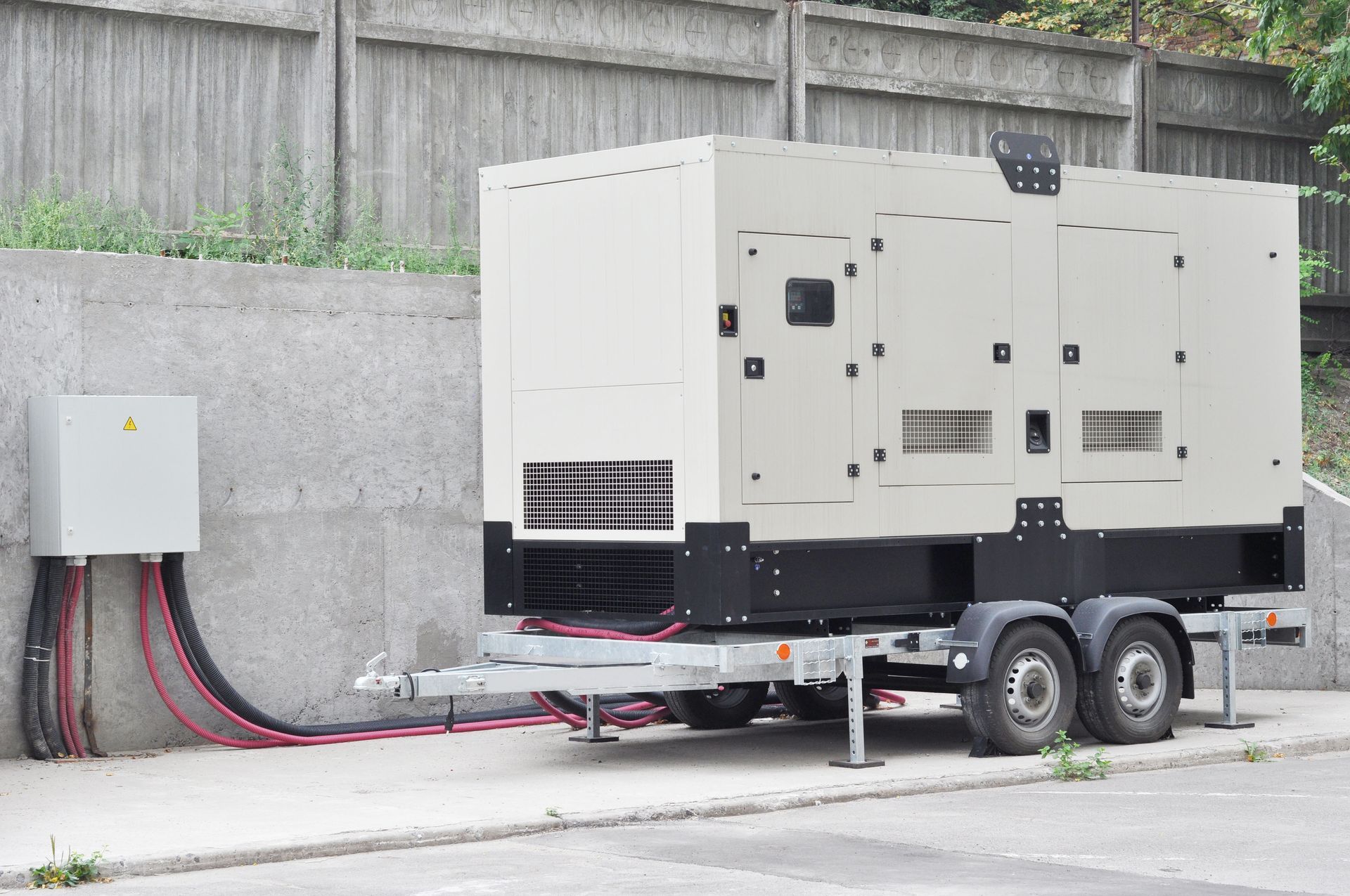
A great feature of modern refrigerated trailers is that they can often double as stationary cold storage units when they are not actively moving on the highway. This dual-purpose capability is incredibly useful for small businesses that need extra walk-in cooler space during peak holiday seasons, big weekend events, or busy farmers' markets. When reviewing refrigerator trailer sales, make sure to look closely at how the cooling unit is powered. Many versatile trailers feature dual-power systems, meaning they run on a small diesel or gasoline generator while traveling down the road, but can plug cleanly into a standard 110-volt or 220-volt electrical wall outlet once parked at your shop.
Being able to plug your trailer directly into grid power saves you a ton of money on fuel costs and cuts down on noisy engine exhaust while your vehicle is parked overnight. It also gives you a built-in backup plan in case your main brick-and-mortar storefront loses power or experiences a main refrigerator breakdown. Checking the electrical compatibility of a trailer before you buy ensures you can use it comfortably at your home base, at outdoor event venues, and on long highway deliveries without any logistical headaches. Choosing a flexible power setup ensures your inventory stays cold and protected around the clock.
Inspecting Door Seals and Easy-Clean Interior Materials
When you are running a busy local delivery route, you will constantly be opening and closing your trailer doors to drop off orders throughout the day. Every time a door swings open, precious cold air escapes and warm, humid air rushes inside the cargo space. To prevent this temperature shift from spoiling your products, look for trailers equipped with heavy-duty rubber door gaskets and secure, commercial-grade locking latches. Many top-tier trailers also feature heavy vinyl strip curtains behind the doors, which act as a secondary barrier to keep the cold air locked inside while you are loading or unloading individual boxes.
The interior walls and flooring materials also need to be durable, smooth, and incredibly easy to clean at the end of a long workday. Food and beverage deliveries can occasionally lead to accidental spills, leaks, or stains that require a quick wash. Seamless fiberglass walls and textured aluminum diamond-plate flooring are excellent choices because they resist water absorption and allow you to spray out the entire interior with a standard garden hose. Keeping your trailer interior clean and sanitized protects your products from mold and foul odors, ensuring your small business always clears local health inspections with total ease.
Taking the step to invest in your own mobile cold storage is a transformative move for any small business looking to break free from delivery limits and control its own schedule. Your refrigerated trailer will serve as the mobile backbone of your daily operations, so attempting to cut corners with low-quality insulation or unverified cooling systems will only lead to spoiled inventory and frustrating breakdowns. Keeping your trailer clean, monitoring your temperature settings, and sticking to regular motor maintenance are simple habits that will protect your investment for years. By aligning your business goals with the right equipment choices, you safeguard your monthly budget and ensure your products always arrive in perfect condition.
When you take the time to research your options and find the perfect match through local
refrigerator trailer sales, you gain total freedom over your logistics and open the door to exciting new customer markets. Having a dependable cold chain keeps your food fresh, keeps your flowers vibrant, and helps your business build an undeniable reputation for elite quality and reliability. If you are ready to stop worrying about shipping delays and take your local deliveries to the next level, do not wait for your business to hit a growth bottleneck. Visit Jilco Equipment Leasing Company Inc online today to view your options, explore your financing choices, and find the perfect trailer to help your business grow.


Share On: