Why Refrigerated Trailer Rentals Are Growing Across Industries
Temperature-controlled transportation has become increasingly important as businesses move food, medicine, chemicals, flowers, and other sensitive products through complex supply chains. Companies must protect these goods from temperature fluctuations while also managing transportation expenses, seasonal demand, and regulatory requirements. For many organizations, refrigerated trailer rentals provide a practical alternative to purchasing and maintaining a dedicated fleet. Businesses can obtain additional cold-storage capacity when it is needed without making a substantial long-term investment. As consumer expectations for fresh products and reliable delivery continue to evolve, flexible refrigerated transportation is becoming an increasingly valuable part of modern logistics strategies.
Understanding the Role of Refrigerated Trailers
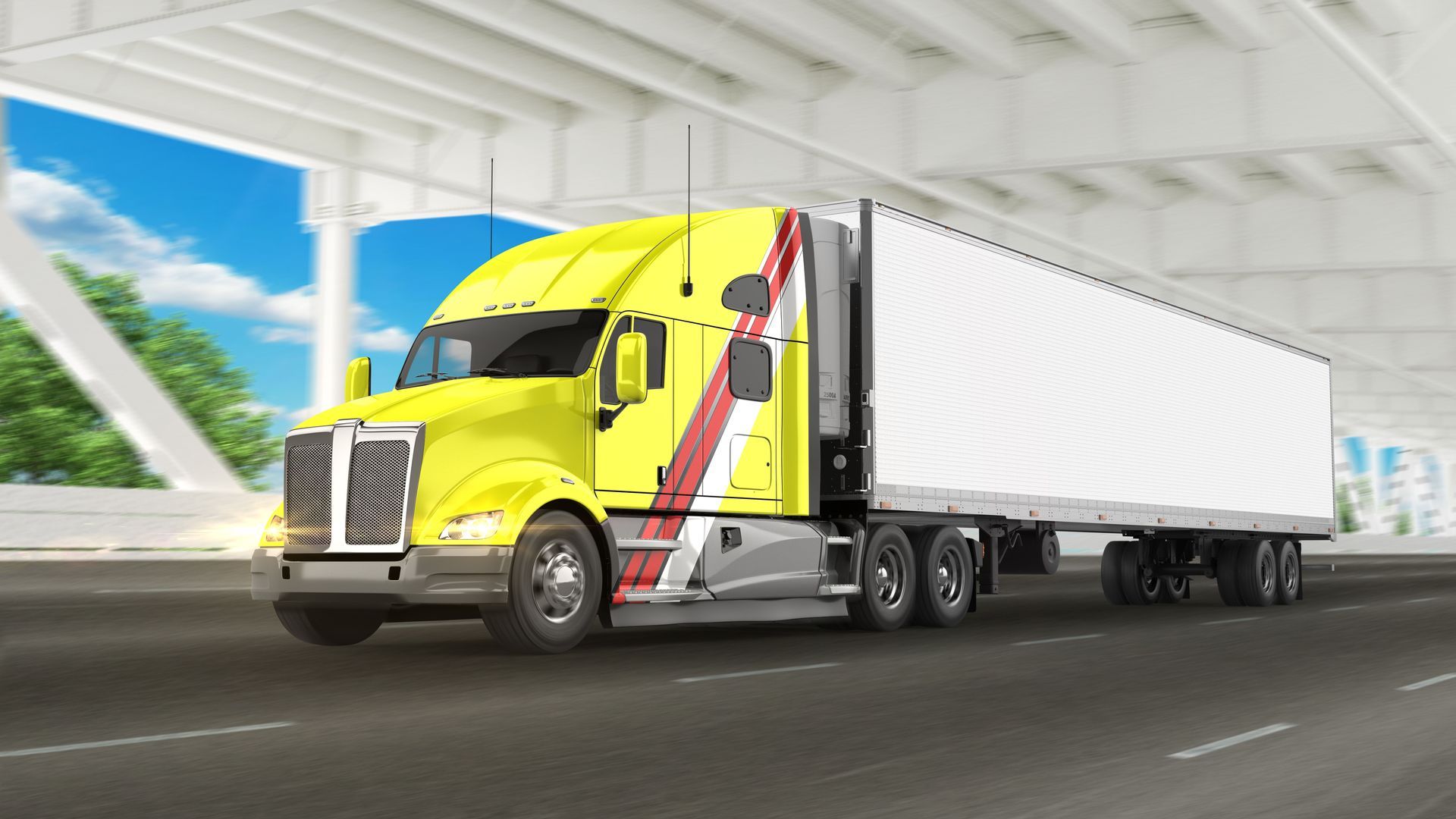
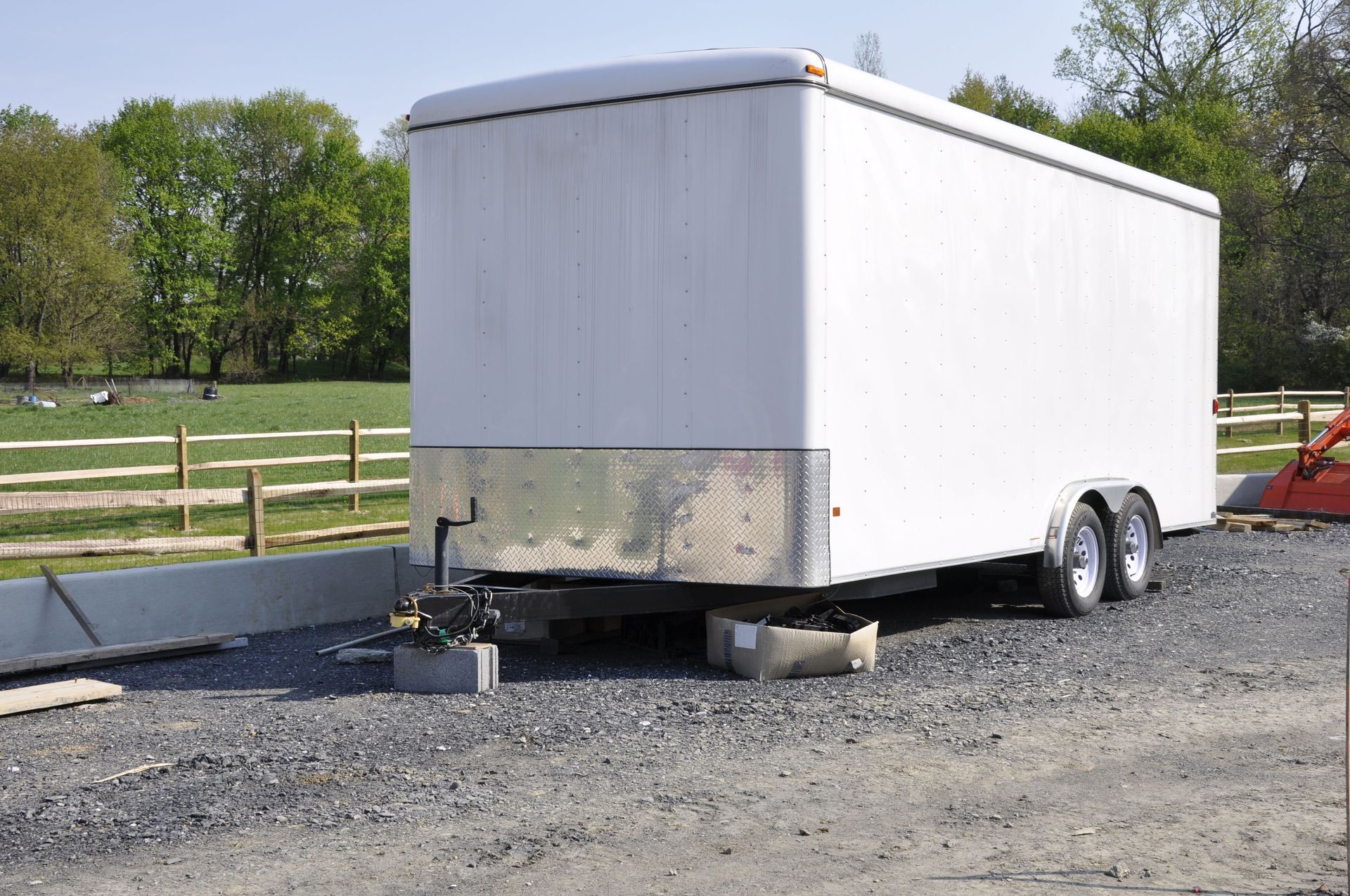
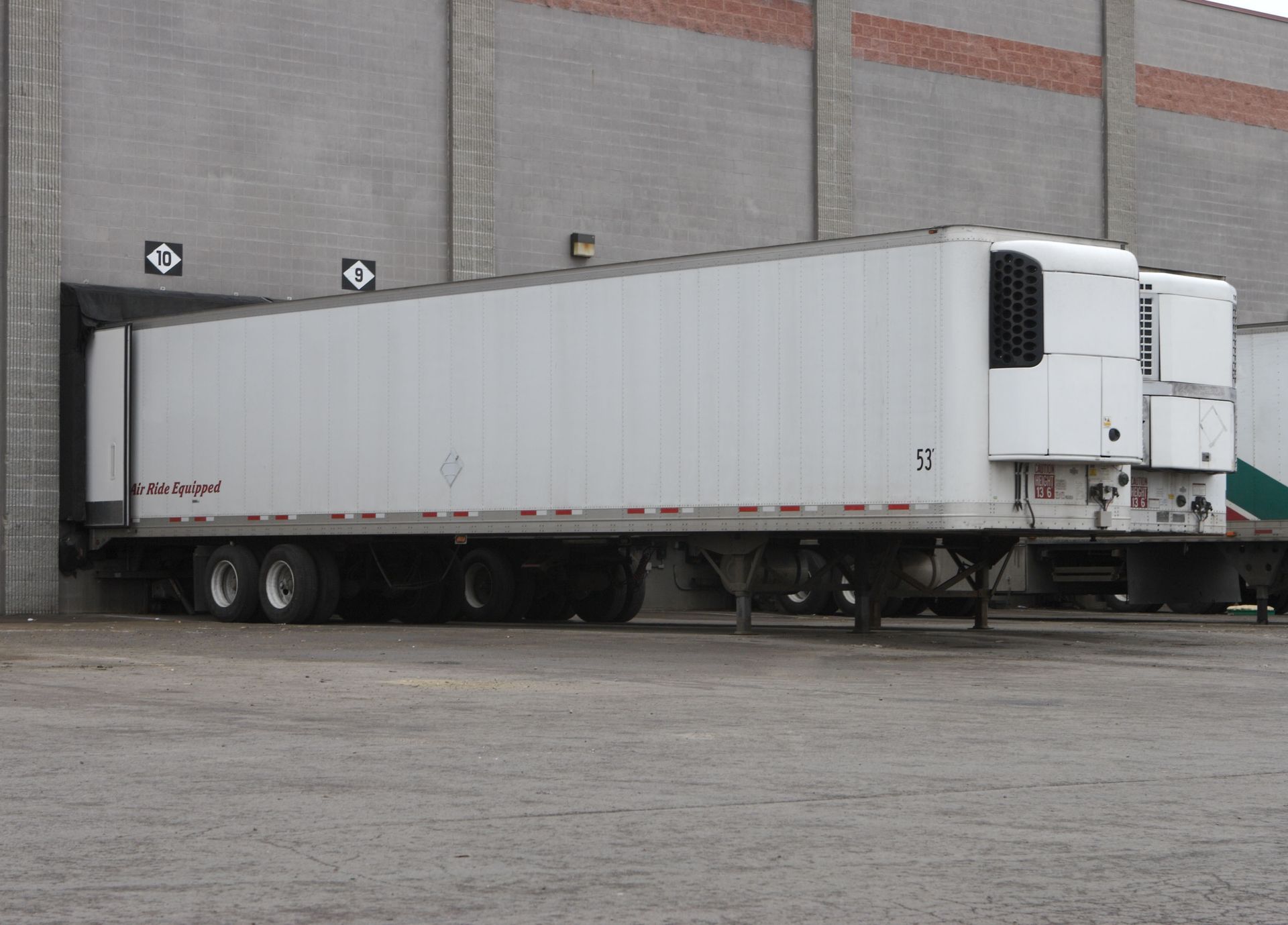
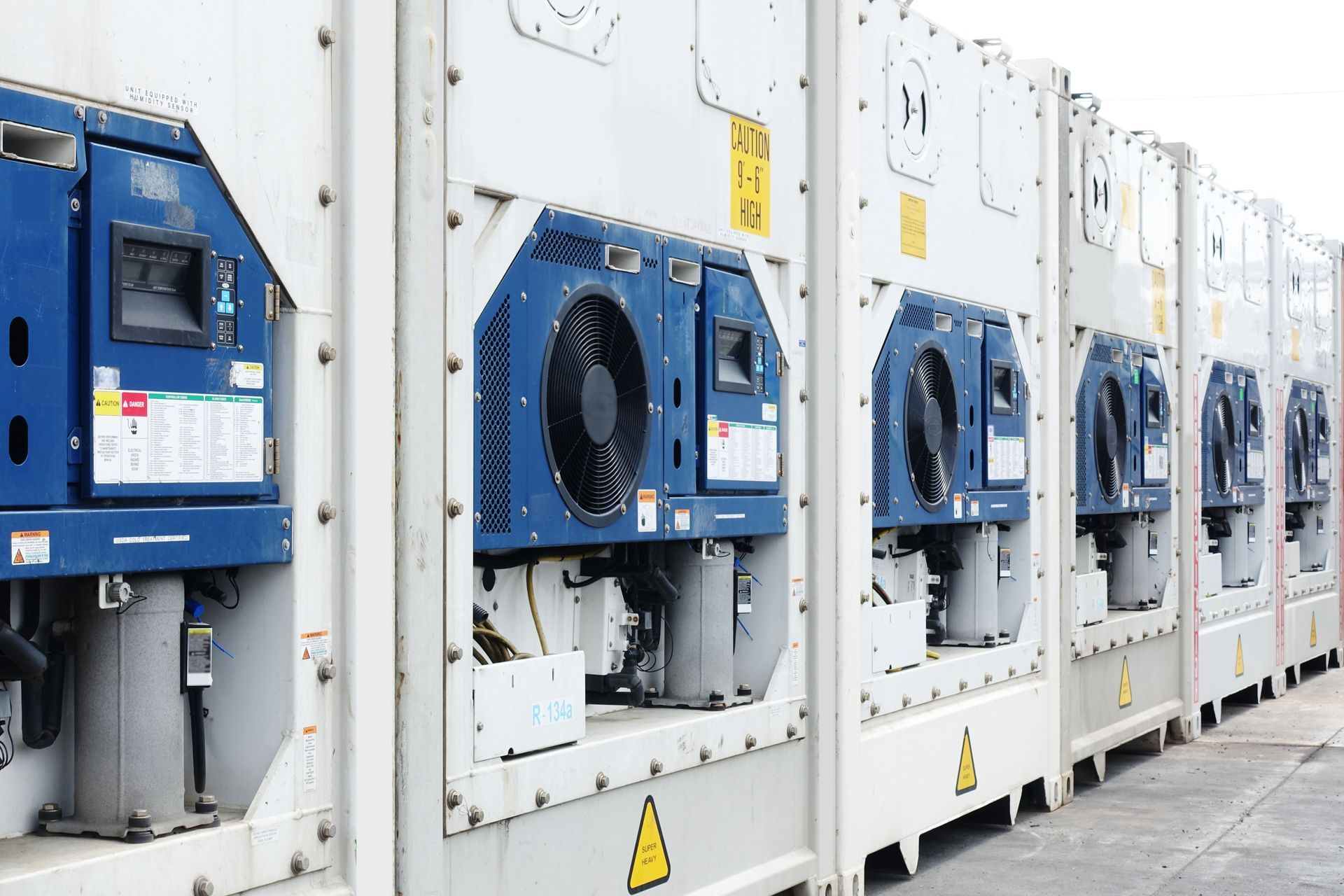
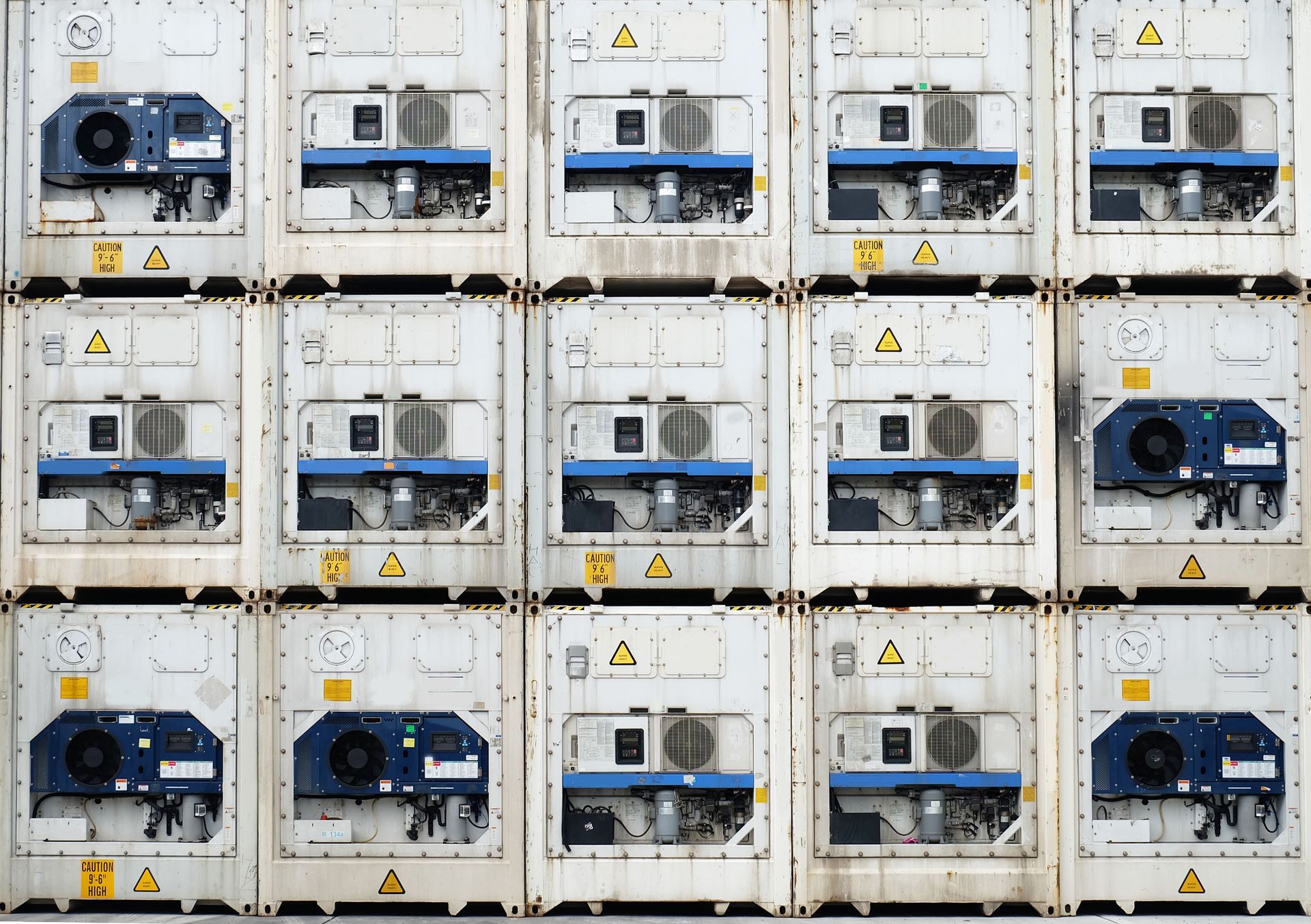
Refrigerated trailers, commonly called reefer trailers, are designed to maintain cargo within a controlled temperature range during transportation or temporary storage. Their refrigeration units and insulated construction help protect products that could deteriorate when exposed to excessive heat, cold, or temperature fluctuations. Depending on the cargo, trailers may be configured for chilled, frozen, or other carefully controlled conditions. Businesses use refrigerated trailer rentals for long-distance distribution, local deliveries, overflow storage, special events, and temporary increases in transportation capacity. This versatility makes rental equipment useful across industries with very different logistical requirements.
Trailer configurations can also vary considerably. Single-temperature units are appropriate when an entire shipment requires similar conditions, while multi-temperature equipment may accommodate different products within separate zones. Modern trailers can include GPS tracking, remote temperature monitoring, telematics, advanced insulation, and security systems. Before selecting equipment, businesses should consider cargo type, required temperature range, shipment size, loading procedures, transportation distance, and expected rental duration. Matching the trailer to the application helps protect products while avoiding unnecessary logistical complications.
Responding to Food and Beverage Demand
The food and beverage sector is one of the most obvious users of temperature-controlled transportation. Fresh produce, dairy products, meat, seafood, frozen foods, beverages, and prepared meals may all require carefully maintained conditions as they move between producers, distributors, retailers, and consumers. Refrigerated trailers help preserve product quality and reduce the likelihood of losses caused by spoilage. As supply chains stretch across larger geographic areas, dependable cold transportation becomes even more important for maintaining consistency from one stage of distribution to the next.
Demand can also change dramatically throughout the year. Farms may need additional transportation capacity during harvest periods, while grocery stores, caterers, restaurants, and food distributors can experience significant increases around holidays and special events. Refrigerated trailer rentals allow these organizations to expand capacity temporarily rather than maintain equipment that may remain underused during slower periods. This approach can help businesses align transportation resources more closely with actual sales and production volumes.
Supporting Pharmaceutical and Healthcare Logistics
Pharmaceutical and healthcare organizations also depend on controlled environments for certain medications, vaccines, laboratory materials, and other sensitive products. Temperature deviations can affect the condition or usefulness of some goods, making careful monitoring an important part of transportation planning. Modern refrigerated trailers may incorporate monitoring systems that provide operators with greater visibility into conditions during transit. Documentation and tracking capabilities can also support organizations that must demonstrate compliance with applicable handling and transportation standards.
As pharmaceutical products become increasingly specialized, transportation requirements can become more complex. Companies may need additional equipment for temporary distribution programs, emergency shipments, clinical projects, or sudden changes in demand. Renting can provide the capacity needed for these situations without requiring businesses to purchase trailers for limited or unpredictable use. However, organizations must still confirm that any rented equipment meets the specific requirements associated with the products being transported.
Meeting E-Commerce and Retail Expectations
The expansion of online grocery shopping and direct-to-consumer delivery has placed additional pressure on cold chain networks. Customers increasingly expect perishable products to arrive quickly and in appropriate condition, requiring retailers and distributors to coordinate inventory, transportation, and delivery more carefully. Refrigerated trailer rentals can provide extra capacity when businesses expand into new markets, open additional distribution points, or experience temporary spikes in order volume. Flexible equipment access can be particularly useful when companies are testing a new service area and are not yet prepared to invest in permanent fleet expansion.
Retailers may also use refrigerated trailers as temporary storage during renovations, equipment failures, seasonal promotions, or store openings. In these situations, a trailer can supplement existing refrigeration infrastructure while allowing normal business activities to continue. Careful placement, power availability, loading procedures, and temperature monitoring remain essential. Planning these details in advance can make temporary refrigeration considerably easier to integrate into an existing operation.
Reducing the Financial Burden of Fleet Ownership
Purchasing refrigerated transportation equipment requires substantial capital and creates continuing responsibilities related to maintenance, repairs, inspections, storage, insurance, and eventual replacement. Equipment can also depreciate while newer refrigeration technologies enter the market. For businesses that do not need the same number of trailers throughout the year, permanent ownership may result in paying for assets that spend significant periods sitting unused.
Renting converts some of these long-term obligations into more flexible operating expenses. Companies can select equipment for a particular project or period and return it when demand decreases. Refrigerated trailer rentals may therefore be especially attractive to small and medium-sized businesses that need professional cold-chain capabilities but want to preserve capital for staffing, inventory, facilities, marketing, or other priorities. The exact financial advantage depends on rental rates, usage frequency, maintenance responsibilities, and the duration of the agreement, so businesses should compare total costs carefully.
Accessing Newer Technology and Equipment
Cold-chain technology continues to develop, particularly in areas such as remote monitoring, telematics, fuel efficiency, insulation, security, and refrigeration controls. Businesses that own older equipment may need to invest in upgrades or replacements to benefit from these advances. Rental providers, meanwhile, may periodically introduce newer trailers into their fleets. This can give customers access to updated capabilities without requiring them to purchase a new unit each time technology changes.
Advanced monitoring can be particularly valuable because it gives operators greater insight into trailer conditions. Depending on the equipment, businesses may be able to review temperature data, trailer location, fuel status, or operating alerts. These capabilities can support faster responses when a problem develops. Technology does not eliminate the need for proper loading, inspection, maintenance, and operational procedures, but it can provide additional information that helps teams make informed decisions.
Improving Scalability and Operational Flexibility
One of the primary advantages of refrigerated trailer rentals is the ability to increase or decrease capacity according to current circumstances. A distributor that secures a large temporary contract may need several additional trailers for only a few months. An agricultural operation might require additional equipment primarily during harvest. A retailer may need greater refrigerated capacity during holidays but significantly less during other parts of the year. Rental arrangements allow businesses to respond to these situations without permanently expanding their fleets.
Flexibility can also help during unexpected disruptions. If company-owned equipment requires repairs, rented units may provide temporary replacement capacity that keeps shipments moving. Similarly, businesses affected by facility refrigeration problems may use trailers as short-term cold storage while permanent systems are restored. Maintaining relationships with rental providers and understanding equipment availability before an emergency occurs can improve preparedness.
Successful use still depends on thoughtful planning. Businesses should evaluate cargo requirements, trailer specifications, rental terms, provider support, security, compliance obligations, and expected demand before selecting equipment. Reserving units early during busy seasons and confirming maintenance and monitoring capabilities can further reduce operational risk. As cold-chain logistics become increasingly important to modern commerce, rental solutions are likely to remain a valuable tool for organizations seeking dependable temperature control without the commitments associated with permanent fleet ownership. Contact our team at Jilco Equipment Leasing Co Inc today and learn more about our trailer rental services.





Share On: