Why Refrigerator Trailer Sales Continue to Increase
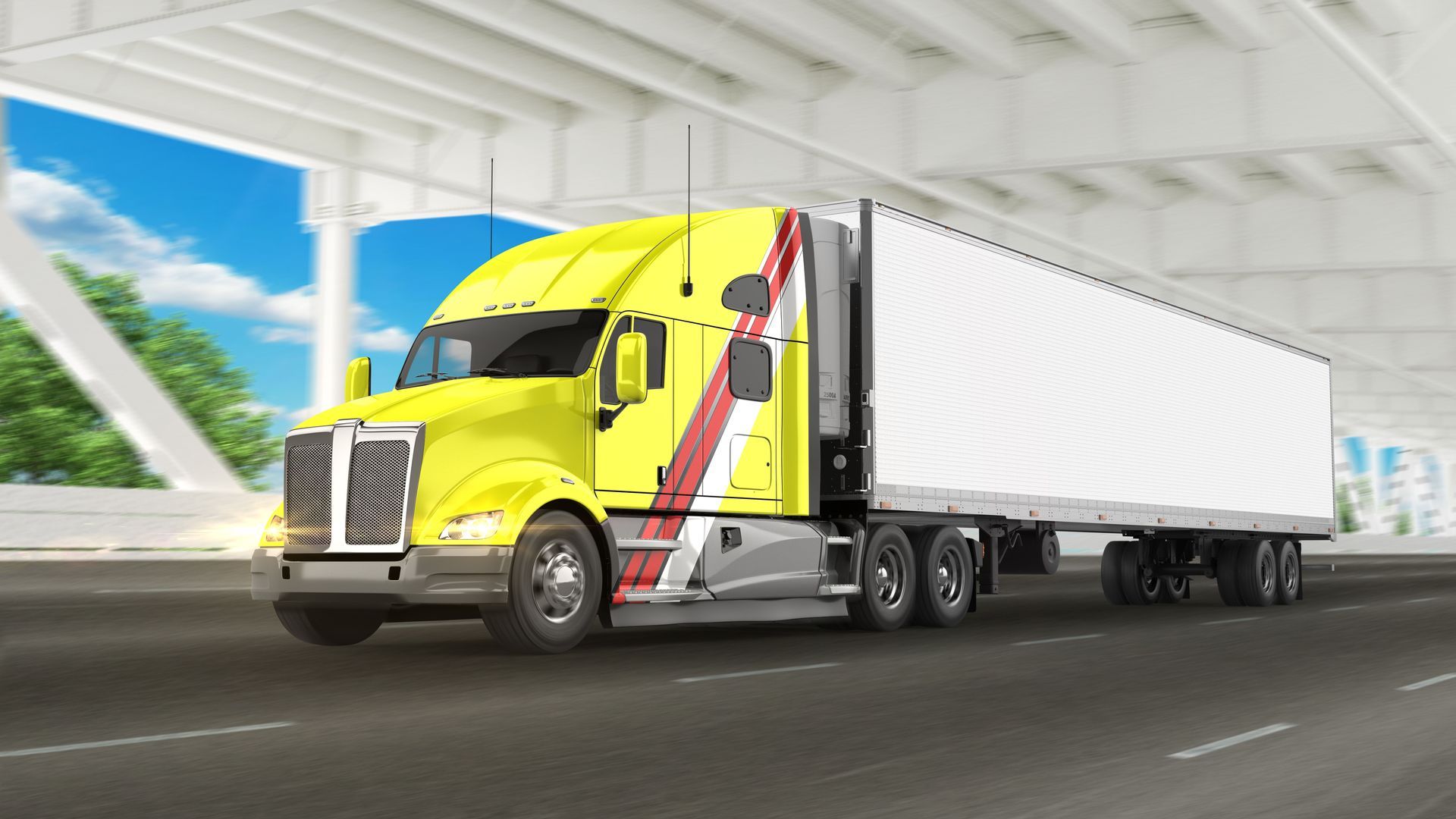
The demand for refrigerator trailers, commonly known as reefer trailers, has seen a significant rise in recent years. These specialized types of transportation equipment are crucial for carrying perishable goods that have stringent temperature control needs. As consumer habits evolve and sectors such as food and pharmaceuticals continue to grow globally, the logistics industry is adapting to meet these new demands. This article will explore the primary factors that have contributed to the increased sales of reefer trailers. By examining industry changes, technological progress, and shifting consumer preferences, we will gain insights into how the transportation sector is evolving. Understanding these factors allows stakeholders to better navigate the current landscape and make informed investment decisions.
1. Growth of the Perishable Goods Market
1.1 Increasing Demand for Fresh Produce
The increased desire for fresh produce among consumers is a significant driver for the growing demand for reefer trailers. Health-conscious individuals are opting for fresh fruits and vegetables as part of their daily diet, which results in higher demand for products that require dedicated cold storage solutions during transit. As farmers and suppliers strive to keep up with this demand, refrigerated trailers have become indispensable. These trailers ensure that perishable goods reach retailers and end consumers in optimal condition, retaining their quality and nutritional value. Moreover, this dynamic underscores the broader trend of consumers prioritizing health and wellness over convenience, influencing transportation and supply chain strategies.
1.2 Expansion of the Pharmaceutical Sector
The pharmaceutical sector has expanded dramatically, thanks in part to advances in medical treatments and an aging population. Transporting temperature-sensitive medications is critically important, as even minor deviations can compromise product integrity and effectiveness. This heightened demand for safe and reliable transportation options has bolstered the need for temperature-controlled trailers. As a result, the reefer trailer industry continues to adapt and innovate to meet the rigorous standards required by the pharmaceutical sector. Advances in refrigerated transport technologies aim to support this crucial aspect of healthcare logistics.
1.3 Rise in Online Grocery Shopping
Online grocery shopping has seen a meteoric rise, especially driven by the increased convenience it offers to modern consumers. Busy lifestyles and the convenience of having groceries delivered directly to our doorstep have significantly contributed to the rise in online grocery sales. Refrigerated trailers play a vital role in enabling this trend by ensuring quick and efficient delivery of fresh produce, dairy, meats, and other perishables. As online platforms continue to innovate with faster delivery times and a wider range of products, refrigerated transportation becomes even more critical. Retailers rely heavily on this technology to maintain service quality and customer satisfaction in an increasingly competitive market.
1.4 Growth in Dairy and Meat Consumption
Despite the rise in plant-based diets, dairy and meat products remain staples in many consumers' diets worldwide. These products are subject to spoilage and contamination if not handled correctly during transportation. Thus, reliable refrigerated trailers are essential for maintaining product quality and safety. The global consumption of these items continues to rise, propelling the need for advanced cold chain solutions. As consumption increases, the logistics industry is under pressure to invest in state-of-the-art trailers that can cater to these high-risk goods effectively.
1.5 Foods with Extended Supply Chains
Globalization has broadened supply chains, allowing products to travel across continents before reaching the consumer. This complexity brings challenges, particularly for perishable goods requiring consistent temperature management throughout their journey. Reefer trailers are an integral part of this global network, ensuring foods arrive at their destinations in peak condition. The demand for these trailers is amplified as businesses seek to penetrate international markets and reach a broader consumer base. This global reach is facilitated by the sustained growth of cold-chain logistics, essential for supporting extended supply chains.
2. Technological Advancements in Refrigerator Trailers
2.1 Improving Temperature Control Systems
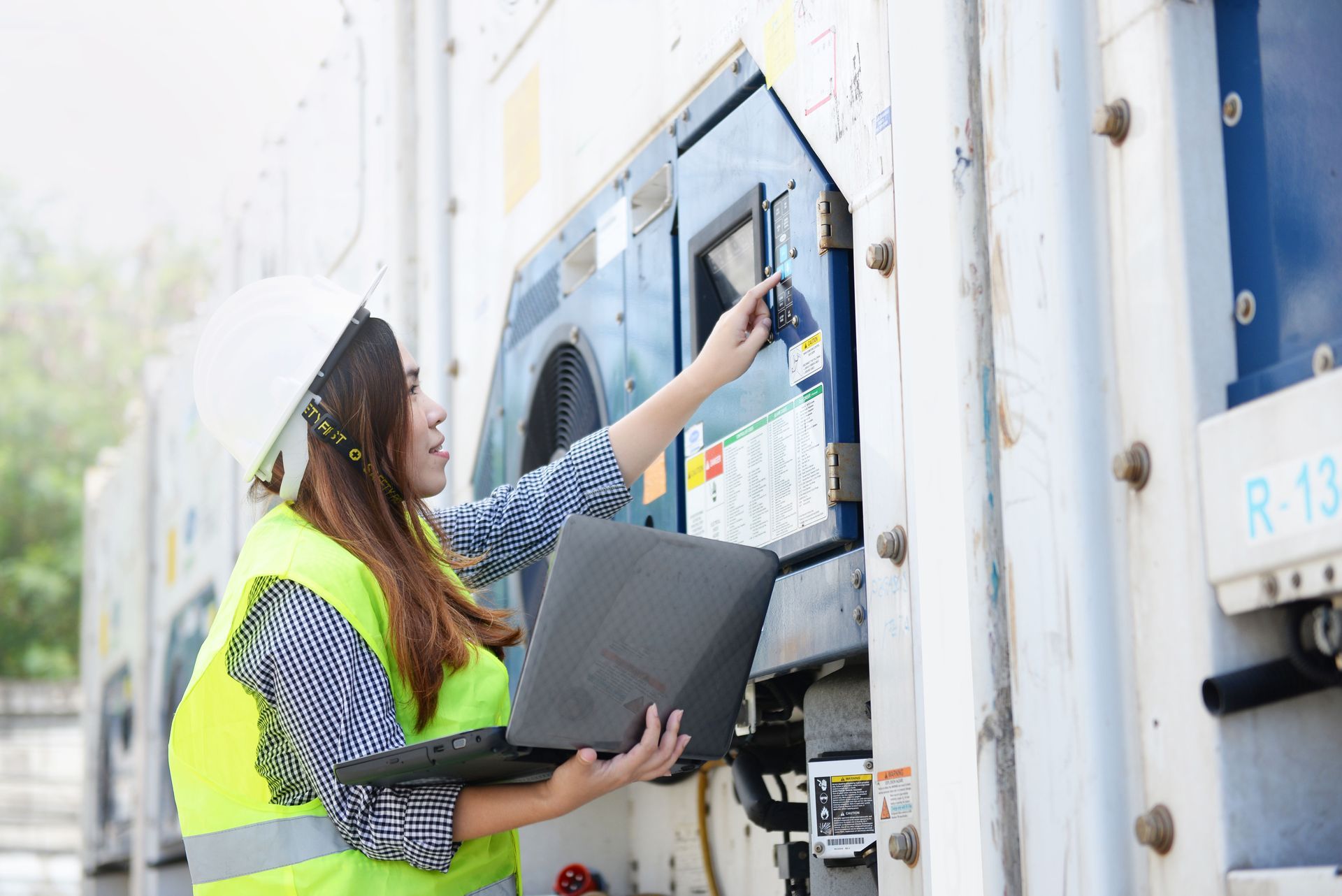
One of the major challenges in transporting perishable goods is maintaining a consistent temperature to preserve their quality. Recent advances in temperature control systems have enabled more precise and reliable refrigeration, significantly enhancing the appeal of reefer trailers. Modern technologies now allow for intricate control settings, ensuring that products stay within optimal conditions during transit. This advancement affords businesses greater flexibility in shipping a diverse range of perishables. As the technology continues to evolve, it is expected that the precision and reliability of temperature control systems will further improve, driving additional value for stakeholders.
2.2 Energy Efficiency Innovations
In recent years, energy efficiency has become a critical focus as companies aim to reduce operational costs and meet sustainability goals. New improvements in energy-efficient technologies for reefer trailers are reducing power consumption while providing equivalent or even superior refrigeration capabilities. These innovations not only result in direct cost savings for logistics operators but also minimize the overall environmental impact. As businesses and consumers alike grow more eco-conscious, the market has seen a shift towards trailers that boast these energy-saving credentials. Market acceptance has been positive, with sales data reflecting growing investments in such technologies.
2.3 Advanced Monitoring and Tracking Solutions
The integration of IoT and smart tracking technologies into refrigeration solutions has revolutionized supply chain transparency. Companies can now monitor shipments in real-time, gaining access to vital statistics such as temperature, location, and cargo condition. These insights allow for proactive supply chain management, quickly identifying and addressing potential issues. Customer satisfaction benefits as companies provide accurate delivery predictions and quality assurances. Furthermore, the industry is rapidly moving towards adopting these digital tools, recognizing the benefits in operational efficiency and customer relationships.
3. Economic Factors Influencing Sales
3.1 Economic Growth and Consumer Purchasing Power
Rising global economic growth has led to increased consumer purchasing power, leading to greater demand for diverse food products. A growing middle class in emerging markets is fueling consumption trends, expanding the need for reliable cold storage solutions to meet this demand. This economic expansion directly correlates with increased sales of refrigerated trailers as industries strive to meet consumer expectations. As living standards improve, greater emphasis is placed on quality and choice, prompting more investment in cold chain logistics. The refrigerated trailer market reflects this trend, showcasing heightened sales figures.
3.2 Investment in Infrastructure
Investment in infrastructure plays a pivotal role in enhancing logistics efficiency and reliability. Improved road networks and advanced distribution centers support the seamless transit of goods, making it easier and faster for refrigerated trailers to navigate supply chains. As a result, businesses enjoy reduced lead times and costs, further incentivizing investment in reefer trailers. Infrastructure upgrades create environments ripe for technological adoption and innovation, fostering growth within the logistics sector. The reciprocal relationship between infrastructure and logistics profitability underscores the importance of government and private initiatives to propel economic development.
3.3 Export and Import Regulations
Import and export regulations heavily influence refrigerated trailer sales as they impact international trade dynamics. Eased regulatory barriers and trade agreements can stimulate demand for reefer trailers by expanding market accessibility. Businesses are better positioned to compete globally when they have access to reliable transportation solutions that meet international standards. Compliance becomes a crucial factor to maintain competitiveness, encouraging investments in trailers that can navigate regulatory requirements. Adaptation to these changes ensures the continued strength of cold-chain logistics in supporting global commerce.
The increasing sales of refrigerator trailers reflect broader market trends driven by consumer demands, technology, and economic shifts. According to Fortune Business Insights, the refrigerated trailer market reached USD 8.50 billion in 2025, reflecting continued global investment in new refrigerated trailers for food, healthcare, and cold-chain logistics. Continuous innovations and adaptations to new challenges will further shape this essential segment of the transportation industry. Be sure to reach out to Jilco Equipment Leasing Company Inc today to learn more about our professional refrigerator trailer sales!




Share On: